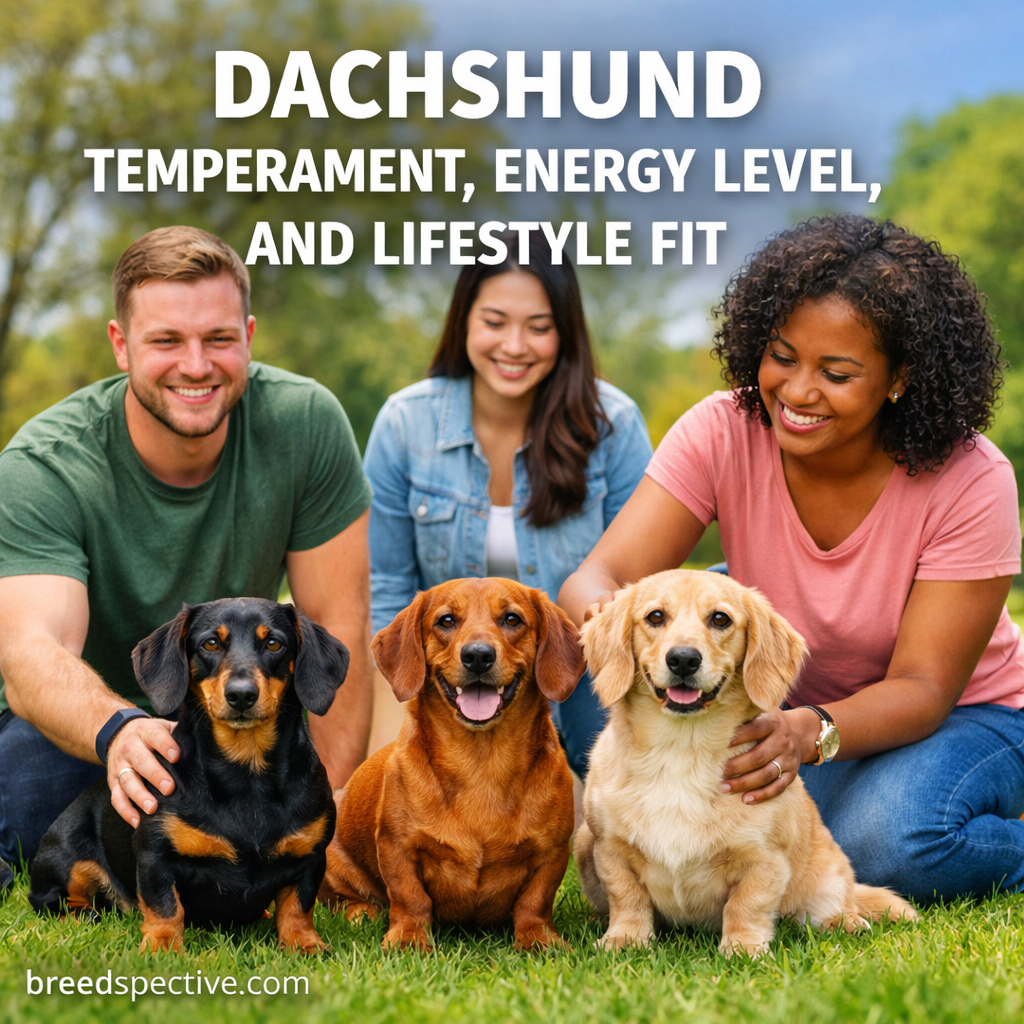
Dachshund Temperament, Energy Level, and Lifestyle Fit

Dachshund temperament, energy level, and lifestyle fit shown with diverse owners enjoying time outdoors.
Dachshunds are confident, energetic companions that thrive in engaged, lifestyle-matched homes. breedspective.com.

Dachshund temperament is typically bold, clever, alert, affectionate, and surprisingly independent for such a small dog. Bred to pursue dangerous quarry underground, Dachshunds often behave more like determined working hounds than passive lap dogs, which helps explain their barking, digging, persistence, and occasional resistance to training.

Their compact size makes them practical for many homes, but small does not mean effortless. A Dachshund needs daily exercise, consistent training, careful weight management, and lifelong attention to back health.

Continue reading “Dachshund Temperament, Energy Level, and Lifestyle Fit”
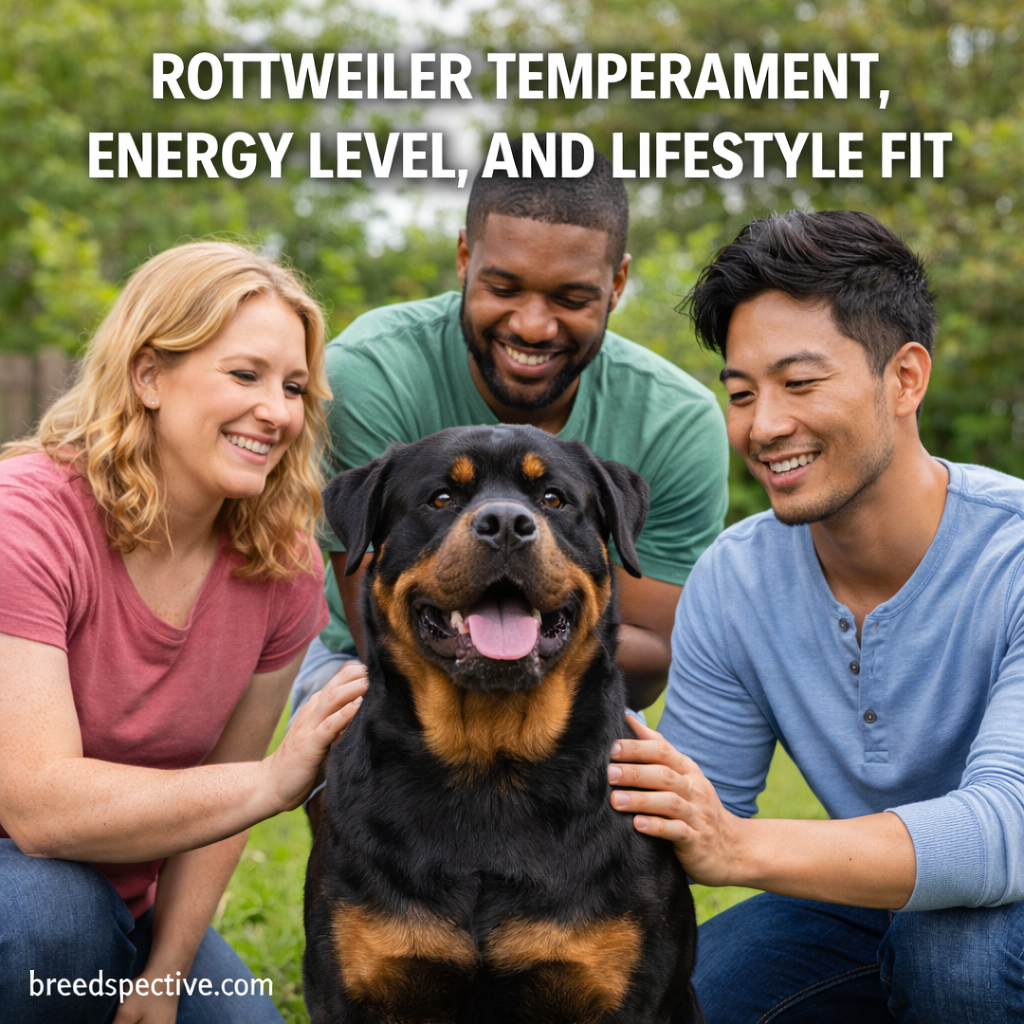
Rottweiler Temperament, Energy Level, and Lifestyle Fit

Rottweiler sitting with a diverse group of people illustrating the breed’s calm temperament, loyalty, and family compatibility.
A Rottweiler interacting calmly with a diverse group of people, highlighting the breed’s balanced temperament and lifestyle fit. breedspective.com.

Rottweiler temperament should be confident, calm, alert, devoted, and naturally watchful rather than indiscriminately aggressive. A well-bred Rottweiler can be affectionate and playful with family while remaining reserved with strangers, but its size, strength, territorial instincts, and guarding heritage make early socialization and consistent training essential.

The American Kennel Club describes a properly raised Rottweiler as calm, confident, courageous, and not unduly aggressive. The breed’s self-assured reserve toward strangers is part of its character, not something owners should try to turn into indiscriminate friendliness—or deliberately intensify into suspicion.

Continue reading “Rottweiler Temperament, Energy Level, and Lifestyle Fit”
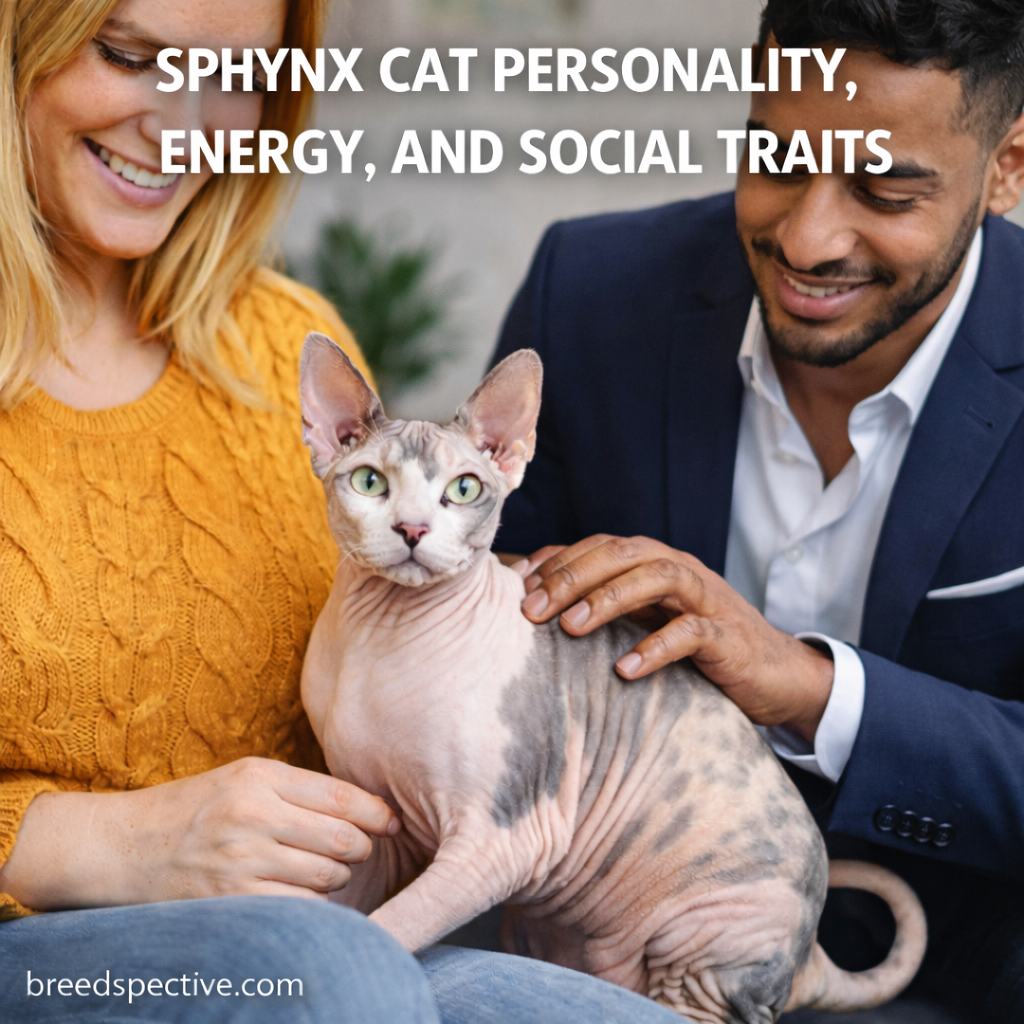
Sphynx Cat Personality, Energy, and Social Traits

Sphynx cat sitting with owners, showing the breed’s affectionate personality, energy, and social behavior.
A Sphynx cat interacting with people, highlighting the breed’s affectionate, energetic, and highly social traits. breedspective.com.

The Sphynx cat personality is affectionate, outgoing, curious and highly people-oriented. These active cats tend to seek attention, follow their people around the home and make themselves part of everyday activities rather than quietly observing from another room. The Cat Fanciers’ Association (CFA) describes the Sphynx as curious, outgoing and intelligent, while also emphasizing that its need for companionship may not suit everyone. The Cat Fanciers’ Association

Their unusual appearance can give the impression that grooming will be easy, but the opposite is often true. Sphynx cats require regular skin care and bathing, and prospective owners also need to consider warmth, social needs and breed-related health concerns.

Continue reading “Sphynx Cat Personality, Energy, and Social Traits”

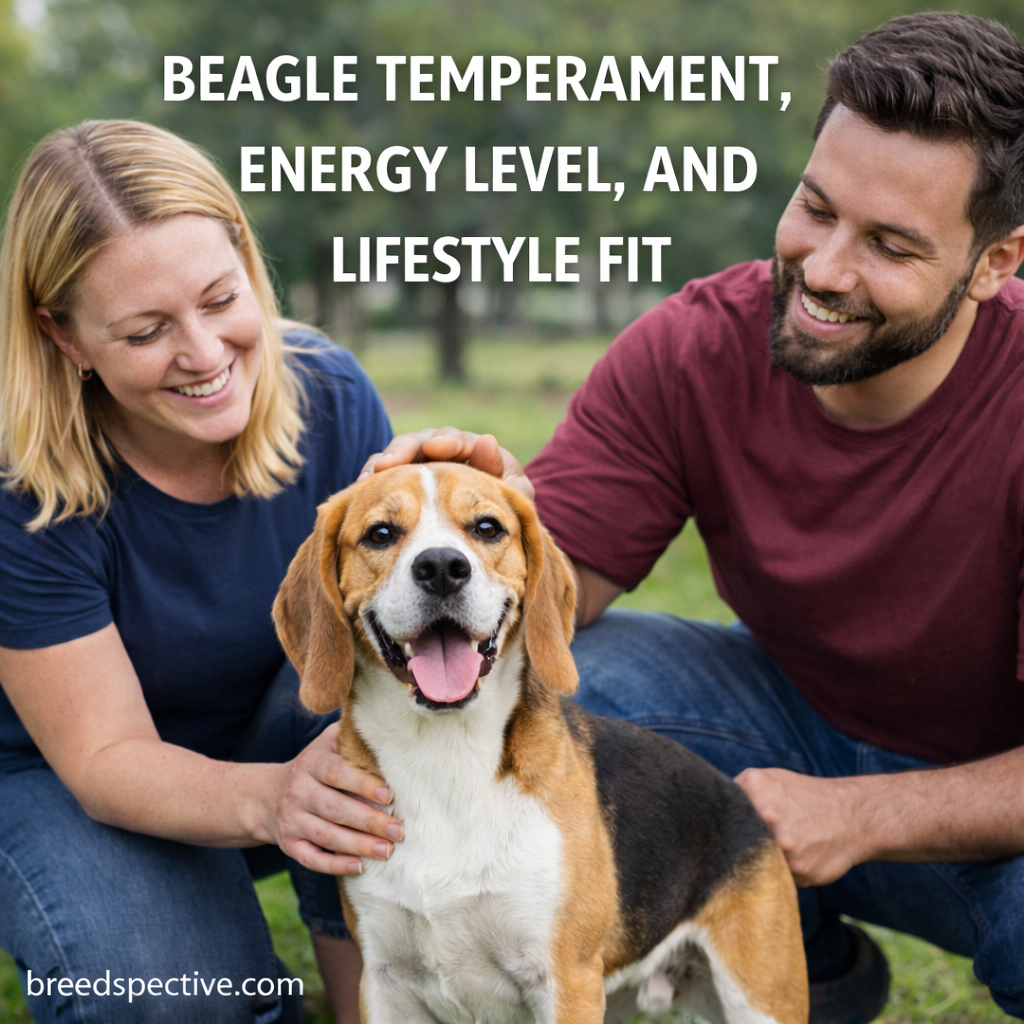
Beagle Temperament, Energy Level, and Lifestyle Fit

Beagle dog with owners outdoors, showing the breed’s friendly temperament and active lifestyle needs.
A Beagle interacting with owners outdoors, highlighting the breed’s social temperament and energetic nature. breedspective.com.

Beagle temperament is typically friendly, curious, social, energetic, and strongly influenced by scent. These compact hounds can be excellent family companions, but their independence, loud baying, appetite, and tendency to follow their noses make them more demanding than their cheerful appearance suggests.

A Beagle is usually happiest with people or other dogs nearby, regular opportunities to sniff and explore, and an owner willing to manage the breed’s hunting instincts rather than expecting perfect off-leash obedience.

Continue reading “Beagle Temperament, Energy Level, and Lifestyle Fit”
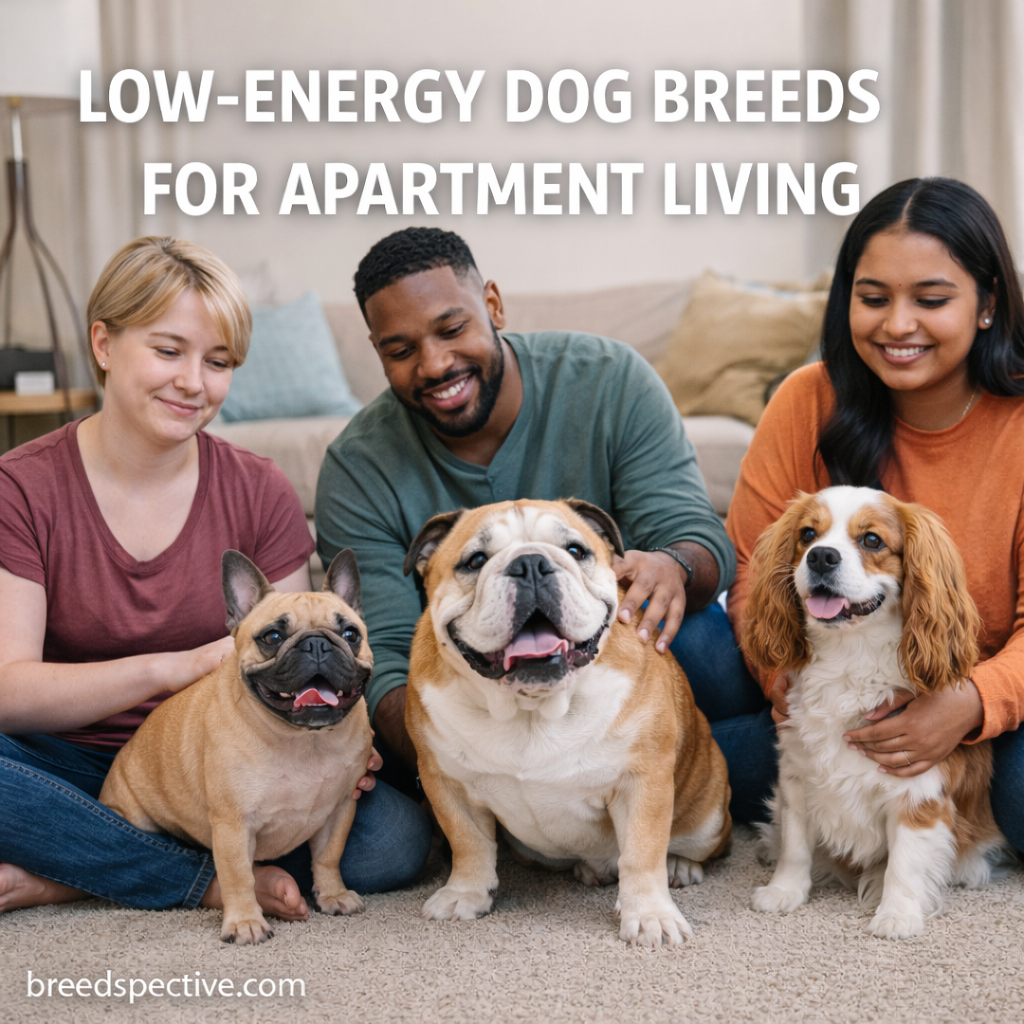
Low-Energy Dog Breeds for Apartment Living

Low-energy dog breeds with owners sitting indoors, showing calm dogs suited for apartment living.
Low-energy dog breeds relaxing indoors with their owners, highlighting calm temperaments ideal for apartment living. breedspective.com.

The best low-energy dog breeds for apartments include Greyhounds, Cavalier King Charles Spaniels, Shih Tzus, Basset Hounds, French Bulldogs, Pugs, and English Bulldogs. The best apartment dog is not necessarily the smallest one: the ability to settle indoors, manageable exercise needs, barking habits, and compatibility with your building matter more than size alone.

A quiet 65-pound Greyhound may create fewer problems in an apartment than a highly vocal 12-pound dog. Before choosing any breed, check your lease and building rules, then match the dog’s actual energy and behavior to the routine you can provide.

Continue reading “Low-Energy Dog Breeds for Apartment Living”

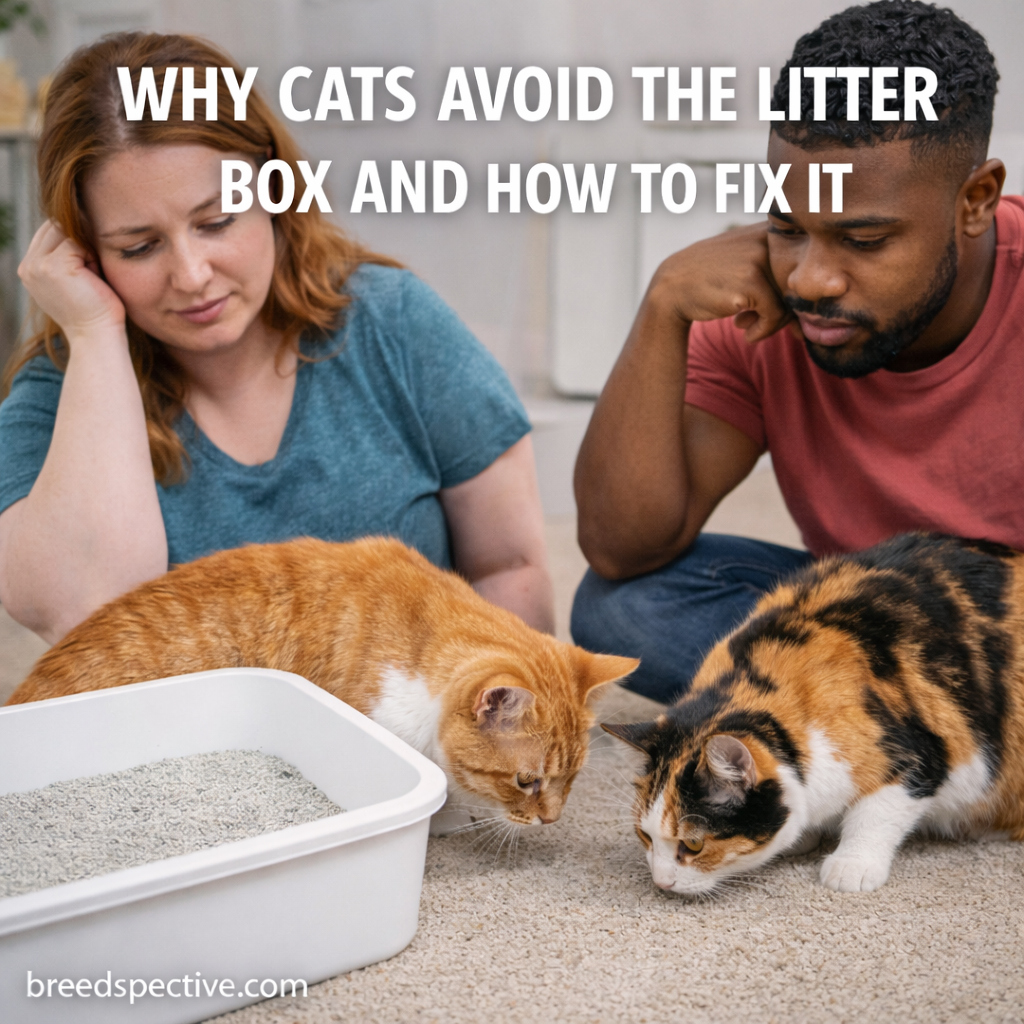
Why Cats Avoid the Litter Box and How to Fix It

Cat owners observing cats near a litter box, illustrating common reasons cats avoid the litter box.
Cat owners watching their cats near a litter box, highlighting common litter box avoidance issues. breedspective.com.

Cats usually avoid the litter box because of a medical problem, an unsuitable box or litter setup, stress, conflict with another pet, or a negative experience associated with the box. A sudden change in litter habits should start with a veterinary check—not punishment—because urinary, digestive, mobility and pain-related problems can all contribute to house-soiling.

The AAFP/ISFM Guidelines for Diagnosing and Solving House-Soiling Behavior in Cats specifically emphasize that house-soiling is not an act of spite or anger. The most effective approach is to identify the cause systematically, beginning with health and then examining the cat’s litter boxes, litter preferences, locations and home environment. (catvets.com)

Continue reading “Why Cats Avoid the Litter Box and How to Fix It”

Bengal Cat Personality, Energy, and Social Traits

Bengal cat with owners showing the breed’s energetic, social, and confident personality traits.
A Bengal cat pictured with people, highlighting the breed’s high energy, intelligence, and social nature. breedspective.com.

The typical Bengal cat personality is curious, athletic, intelligent, confident, and highly interactive. Bengals tend to want more play, climbing, exploration, and involvement with their household than a quieter companion cat, so they are best matched with owners who actively enjoy engaging with their pets.

The Cat Fanciers’ Association (CFA) describes the Bengal as curious and athletic, while The International Cat Association (TICA) describes the breed as playful, social, people-oriented, and inquisitive. Individual personalities still vary, but prospective owners should expect a busy cat rather than a decorative couch companion.

Continue reading “Bengal Cat Personality, Energy, and Social Traits”

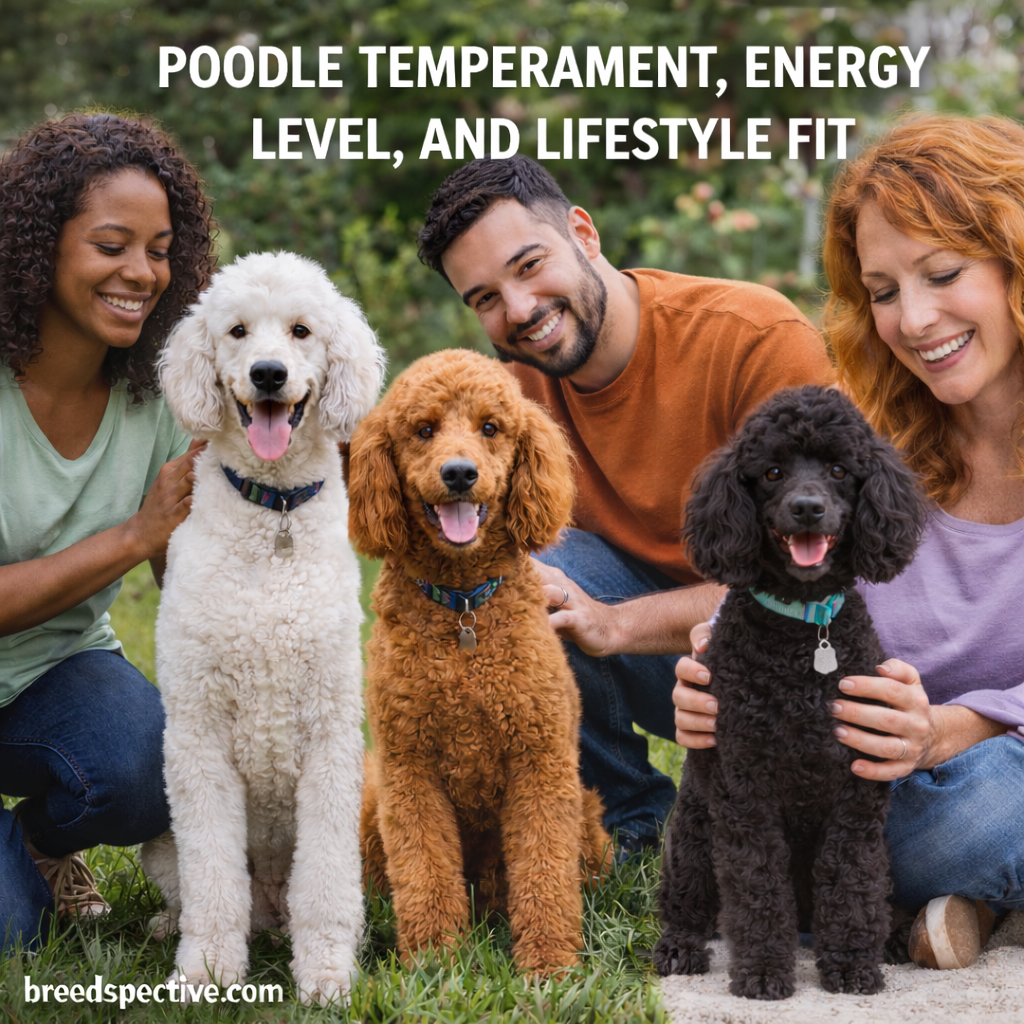
Poodle Temperament, Energy Level, and Lifestyle Fit

Poodles of different sizes sitting with their owners outdoors, illustrating the breed’s friendly temperament, intelligence, and adaptable energy levels.
Poodles are intelligent, energetic, and people-focused dogs that adapt well to many lifestyles when their exercise and mental needs are met. breedspective.com.

Poodle temperament is typically intelligent, active, alert, people-oriented, and highly responsive to training. Standard, Miniature, and Toy Poodles share the same basic breed character, but size changes what daily exercise, handling, family life, and some health considerations look like.

The polished show coat can disguise what is fundamentally an athletic working breed. The official Poodle Club of America breed standard describes the Poodle as a “very active, intelligent” dog, and those traits matter much more in everyday ownership than its glamorous appearance.

Continue reading “Poodle Temperament, Energy Level, and Lifestyle Fit”
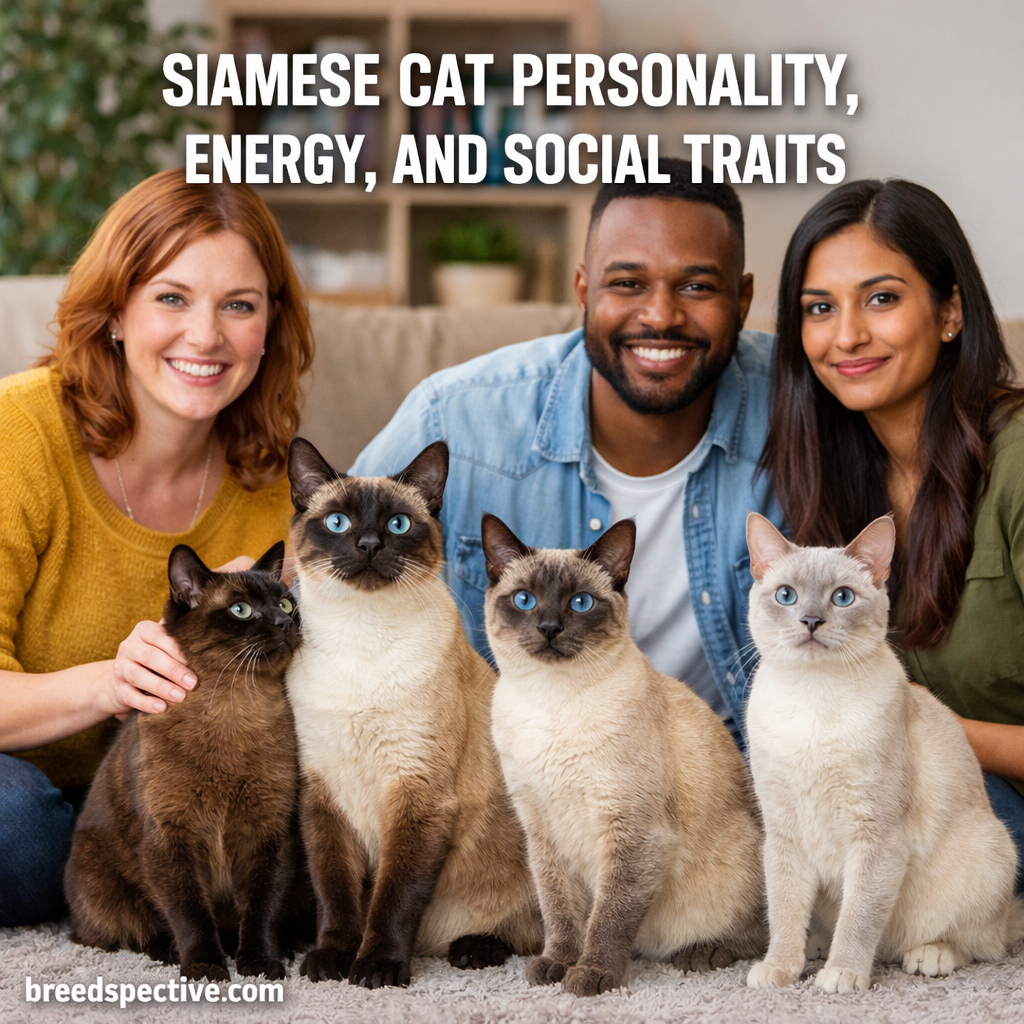
Siamese Cat Personality, Energy, and Social Traits

Siamese cat sitting with people, showcasing the breed’s social personality, high energy, and affectionate traits.
Siamese cats are highly social, energetic companions that thrive on interaction with their human families. breedspective.com.

The typical Siamese cat personality is highly social, vocal, intelligent, affectionate, and active. These cats usually want substantial interaction with their people and can be persistent about getting it, making the Siamese a better fit for an engaged household than for someone seeking a quiet, independent companion.

The Cat Fanciers’ Association (CFA) describes the Siamese as vocal, affectionate, active, and sometimes insistent. The International Cat Association (TICA) similarly describes the breed as lively, intelligent, talkative, and strongly people-oriented. (cfa.org)

Continue reading “Siamese Cat Personality, Energy, and Social Traits”

Best Livestock Guardian Dog Breeds for Farms

Livestock guardian dogs with farmers on a rural farm, protecting sheep and goats in a working farm environment.
Livestock guardian dog breeds working on a farm, showcasing protection and calm behavior around livestock. breedspective.com.

The best livestock guardian dog breeds include the Great Pyrenees, Anatolian Shepherd, Maremma Sheepdog, Akbash, and Kangal. The right choice depends on your livestock, predator pressure, acreage, fencing, climate, and experience because these are independent working dogs bred to live with livestock and deter threats rather than wait for constant commands.

For many North American farms, the Great Pyrenees is a practical starting point. Farms facing heavier predator pressure or working in hotter, more open terrain may consider an Anatolian Shepherd, Kangal, or Akbash, while the Maremma has a long history as a dedicated flock guardian.

Continue reading “Best Livestock Guardian Dog Breeds for Farms”