

Choosing your first dog is a major decision—and not all breeds are suited for first-time owners. Some dogs require advanced training, intense daily exercise, and strong leadership. Without the right experience, these breeds can quickly become overwhelming.
This guide breaks down the most difficult dog breeds for beginners, why they’re challenging, and what to consider before bringing one home.
What Makes a Dog Difficult for Beginners?
A dog becomes challenging for new owners when its needs exceed what most beginners can realistically provide.
Common traits of difficult breeds include:
- Extremely high energy levels
- Strong independence or stubbornness
- Advanced training requirements
- High mental stimulation needs
- Protective or dominant instincts
- Sensitivity to inconsistent leadership
If you’re still evaluating your overall lifestyle fit:
👉 How to Choose the Right Dog Breed for Your Lifestyle
Top 10 Most Difficult Dog Breeds for Beginners
1. Belgian Malinois
The Belgian Malinois is one of the most demanding dog breeds in the world.
Why it’s difficult:
- Extremely high energy and drive
- Requires constant mental stimulation
- Needs advanced training and structure
Best suited for: Experienced handlers or working environments
👉 Learn more: Belgian Malinois Temperament, Energy Level, and Lifestyle Fit
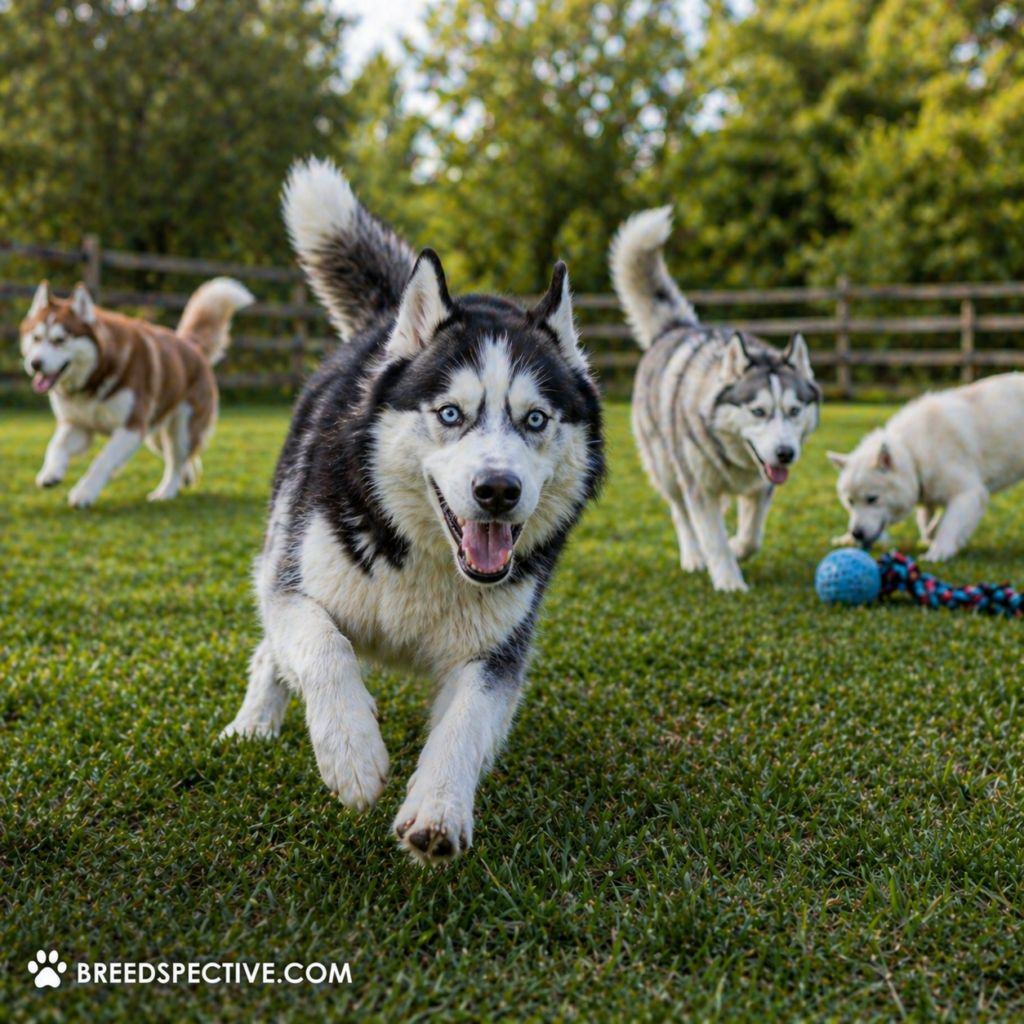
2. Siberian Husky
Huskies are beautiful but notoriously challenging.
Why it’s difficult:
- Strong independent streak
- High escape tendencies
- Requires significant exercise
Best suited for: Active, experienced owners
👉 Learn more: Siberian Husky Temperament, Energy Level, and Lifestyle Fit
3. Cane Corso
A powerful and protective breed that requires confident leadership.
Why it’s difficult:
- Strong guarding instincts
- Needs firm, consistent training
- Can become dominant without structure
Best suited for: Experienced dog owners
👉 Learn more: Cane Corso Temperament, Energy Level, and Lifestyle Fit
4. Akita
Akitas are loyal but highly independent.
Why it’s difficult:
- Reserved and aloof personality
- Can be aggressive with other animals
- Requires experienced handling
Best suited for: Owners with training experience
👉 Learn more: Akita Temperament, Energy Level, and Lifestyle Fit
5. Chow Chow
Chow Chows are known for their strong-willed nature.
Why it’s difficult:
- Independent and stubborn
- Less responsive to commands
- Requires patience and consistency
Best suited for: Experienced owners
6. Border Collie
While intelligent, Border Collies are extremely demanding.
Why it’s difficult:
- Needs constant mental stimulation
- High energy levels
- Can develop behavioral issues if bored
Best suited for: Very active owners
👉 Learn more: Border Collie Temperament, Energy Level, and Lifestyle Fit
7. Australian Shepherd
Another high-energy working breed.
Why it’s difficult:
- Requires daily physical and mental activity
- Can become restless indoors
- Needs structured routines
Best suited for: Active, engaged owners
👉 Learn more: Australian Shepherd Temperament, Energy Level, and Lifestyle Fit
8. Jack Russell Terrier
Small but extremely energetic and stubborn.
Why it’s difficult:
- High energy in a small body
- Strong prey drive
- Needs constant stimulation
Best suited for: Active owners with time to train
9. Weimaraner
Weimaraners are affectionate but demanding.
Why it’s difficult:
- Prone to separation anxiety
- High exercise needs
- Requires constant attention
Best suited for: Owners who are home often
👉 Learn more: Weimaraner Temperament, Energy Level, and Lifestyle Fit
10. Dalmatian
Dalmatians are energetic and require consistent management.
Why it’s difficult:
- High stamina and exercise needs
- Can be stubborn
- Requires structured training
Best suited for: Active and experienced owners
Why These Breeds Can Be Overwhelming
These breeds are not “bad”—they are simply high-demand dogs.
Common challenges include:
- Destructive behavior when bored
- Difficulty with obedience if untrained
- Excessive barking or energy
- Need for constant structure
Without experience, these traits can quickly become difficult to manage.
Can Beginners Successfully Own These Breeds?
Yes—but only under certain conditions.
You’ll need:
- Time for daily exercise (often 60–120 minutes)
- Commitment to consistent training
- Willingness to learn and adapt
- Access to professional training if needed
For most beginners, however, it’s better to start with a more manageable breed:
👉 Best Dog Breeds for First-Time Owners (Ranked)
Signs You Should Avoid These Breeds
You may want to avoid these breeds if you:
- Have limited time for training
- Prefer a low-energy lifestyle
- Live in a small space
- Have never owned a dog before
- Want a low-maintenance companion
If this sounds like you, consider lower-demand options:
👉 Low-Energy Dog Breeds for Apartment Living
Better Alternatives for Beginners
Instead of high-demand breeds, look for dogs that are:
- Easier to train
- More adaptable
- Lower in energy
- More forgiving of mistakes
You can explore easier options here:
👉 Easiest Dog Breeds to Train (And Why)
Common Mistakes Beginners Make With Difficult Breeds
Avoid these mistakes:
- Underestimating energy levels
- Skipping training or socialization
- Inconsistent routines
- Not providing enough mental stimulation
- Choosing based on looks instead of lifestyle
Final Thoughts: Choose the Right Challenge Level
The most difficult dog breeds for beginners are not impossible—they simply require more time, energy, and experience.
Choosing a dog that matches your current ability level leads to:
- Better behavior
- Less stress
- A stronger bond
If you’re new to dog ownership, it’s usually best to start with a breed that supports your learning—not one that overwhelms it.