Bringing a dog into your life is exciting—but it’s also a major lifestyle shift. From your daily routine to your finances and social life, owning a dog affects how you spend your time, energy, and even your priorities.
If you’re thinking about getting a dog—or just got one—this guide breaks down the real changes you can expect so you’re fully prepared.
Your Daily Schedule Becomes Structured
Dogs thrive on routine, and that means your day will revolve around their needs.
What your new routine may include:
- Morning walks or bathroom breaks
- Scheduled feeding times
- Midday check-ins or walks
- Evening exercise or play
- Consistent bedtime routines
Reality check:
Spontaneous days become less common—you’ll plan around your dog.
Exercise Becomes Part of Your Life
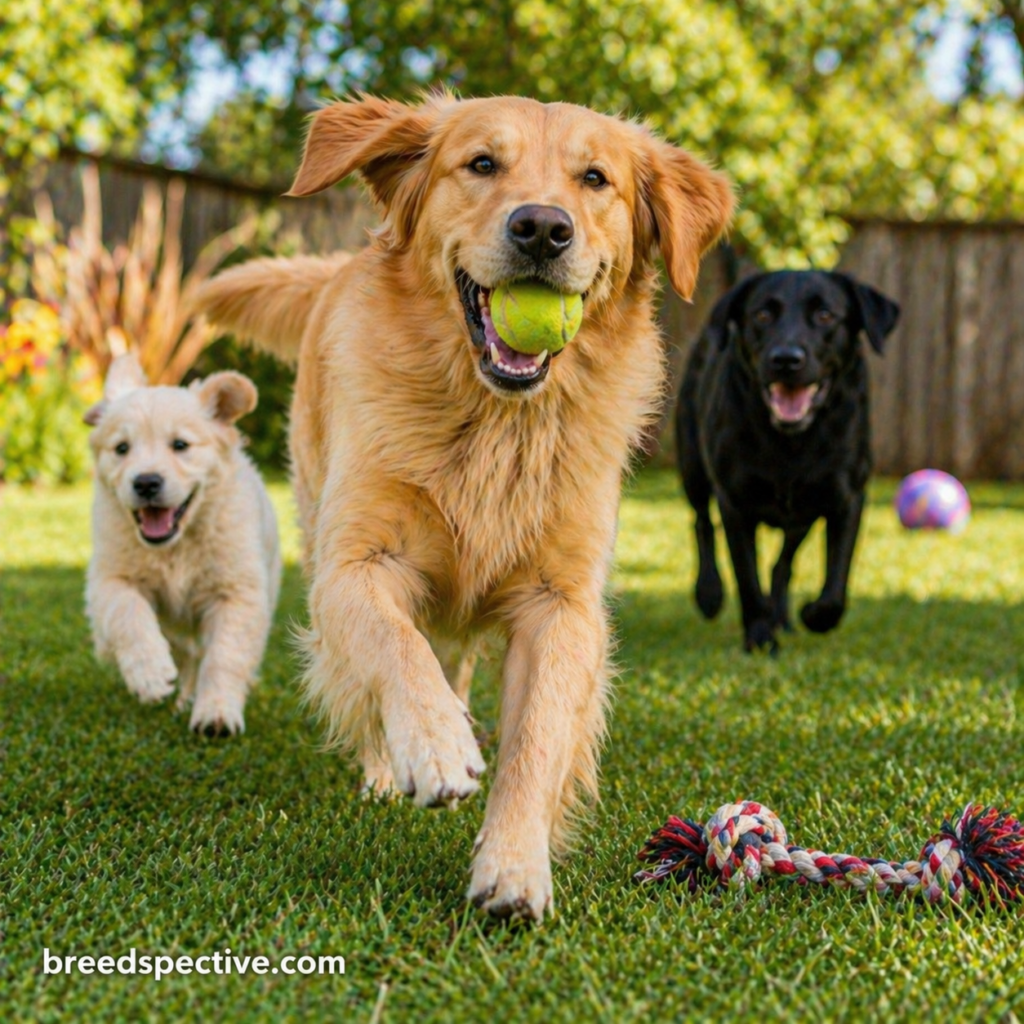
Even low-energy dogs need daily activity.
Expect to:
- Walk your dog at least once or twice daily
- Spend time playing or engaging
- Be outside more often
For high-energy breeds, this can mean:
- 60–120 minutes of activity daily
- Structured exercise like running or training
👉 Learn more:
How to Match a Dog’s Energy Level to Your Daily Routine
Your Time Commitment Increases
Dogs require attention every single day.
Daily responsibilities include:
- Feeding
- Walking
- Cleaning
- Training
- Interaction
Key point:
This isn’t optional—dogs depend on consistency.
Your Home Environment Changes
Your living space will adapt to your dog.
Common adjustments:
- Dog beds, crates, or designated areas
- Toys and supplies throughout the home
- Pet-proofing (removing hazards)
- More frequent cleaning
Your home becomes a shared space, not just your own.
Travel and Flexibility Are Limited
Owning a dog affects how freely you can come and go.
New considerations:
- Finding pet sitters or boarding
- Planning dog-friendly trips
- Scheduling around your dog’s needs
Spontaneous overnight trips or long outings require planning.
Financial Responsibilities Increase
Dogs come with ongoing costs.
Expect to budget for:
- Food
- Vet care
- Grooming
- Training
- Supplies
👉 Learn more:
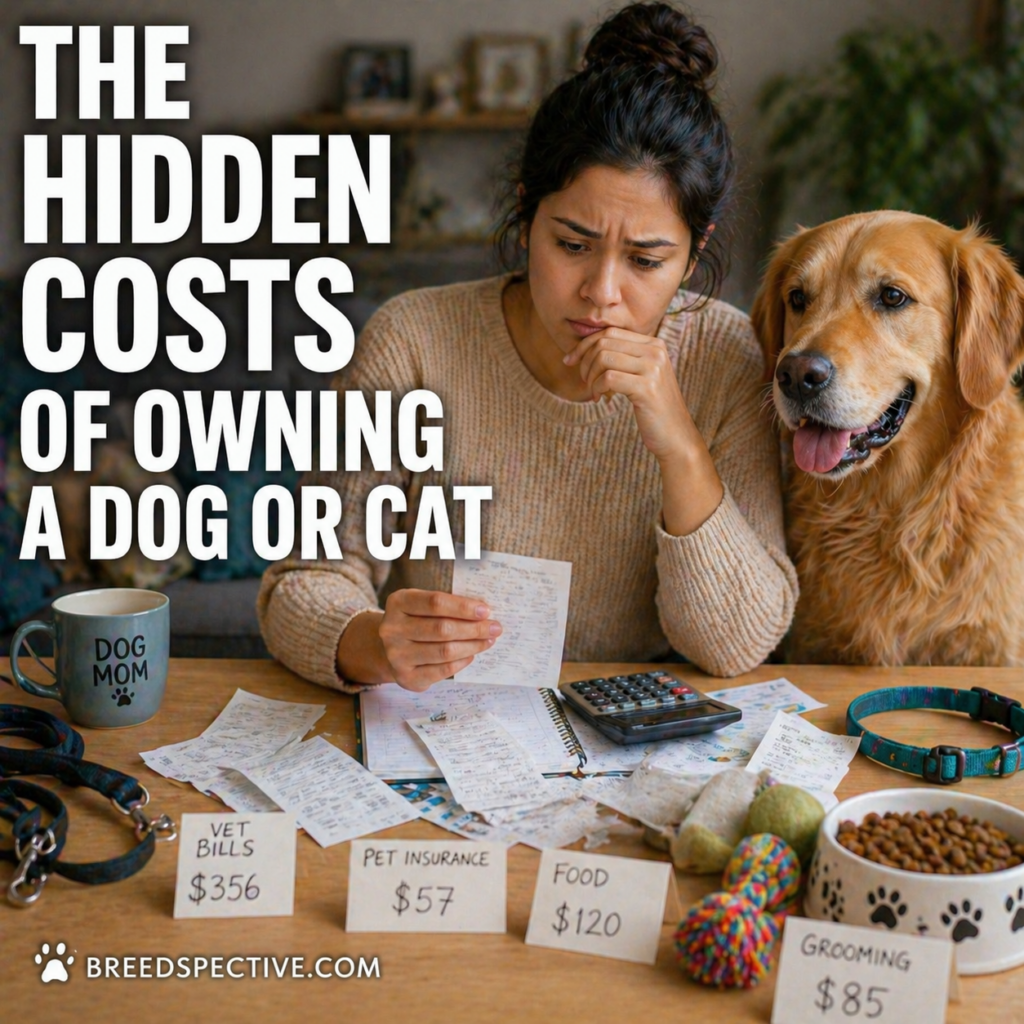
The Hidden Costs of Owning a Dog or Cat
Social Life and Activities Shift
Your free time may look different.
Changes you may notice:
- Less time for last-minute plans
- More outdoor or pet-friendly activities
- Meeting other dog owners
For many people, dogs actually improve social interaction—but in different ways.
Training Becomes Part of Your Routine
Training isn’t a one-time task—it’s ongoing.
You’ll need to:
- Teach basic commands
- Reinforce good behavior
- Correct unwanted habits
Consistency is key to raising a well-behaved dog.
Emotional Connection Grows Strong
One of the biggest lifestyle changes is emotional.
What many owners experience:
- Strong companionship
- Increased sense of responsibility
- Emotional support and bonding
Dogs often become a central part of your daily life.
Your Priorities Shift
Over time, your dog becomes a priority.
You may start to:
- Plan your day around your dog
- Choose dog-friendly housing
- Consider your dog in major decisions
This shift is natural—and part of responsible ownership.
Sleep and Routine Adjustments
Especially in the beginning, your sleep may change.
Common early challenges:
- Nighttime bathroom breaks (puppies)
- Adjusting to feeding schedules
- Early morning wake-ups
These usually improve with time and training.
Long-Term Commitment Becomes Real
Dogs are not short-term responsibilities.
Consider:
- Lifespan (10–15+ years)
- Ongoing care needs
- Lifestyle changes over time
Owning a dog is a long-term commitment that evolves with your life.
Common Mistakes New Dog Owners Make
- Underestimating time commitment
- Not planning for lifestyle changes
- Choosing the wrong breed
- Skipping training early
👉 Avoid these mistakes:
Biggest Mistakes New Pet Owners Make
How to Adapt Successfully
Practical tips:
- Create a consistent routine early
- Match your dog’s energy to your lifestyle
- Plan ahead for travel and expenses
- Stay patient during the adjustment phase
Real-Life Example of Lifestyle Change
Before dog:
- Flexible schedule
- Spontaneous plans
- Minimal daily responsibilities
After dog:
- Structured routine
- Daily walks and care
- Planned outings and travel
Final Thoughts: Is the Change Worth It?
Yes—but only if you’re prepared.
Getting a dog changes your lifestyle in meaningful ways:
- More responsibility
- More structure
- Less spontaneity
…but also:
- More companionship
- More purpose
- More daily joy
The key is understanding these changes upfront so you can fully embrace the experience.