

Owning a dog is a long-term commitment—and for some breeds, that commitment comes with significantly higher costs. From food and grooming to medical care and training, certain dogs are far more expensive to maintain than others.
This guide breaks down the most expensive dog breeds to own, including the real costs behind each breed so you can make a smarter, more informed decision.
What Makes a Dog Expensive to Own?
The total cost of owning a dog goes far beyond the initial purchase price.
Key cost factors include:
- Food requirements (larger dogs = higher costs)
- Grooming needs (long coats or specialty grooming)
- Veterinary care (genetic health issues)
- Training and socialization
- Exercise and lifestyle demands
- Lifespan-related expenses
If you’re still deciding which dog fits your budget and lifestyle:
👉 How to Choose the Right Dog Breed for Your Lifestyle
Top 10 Most Expensive Dog Breeds to Own
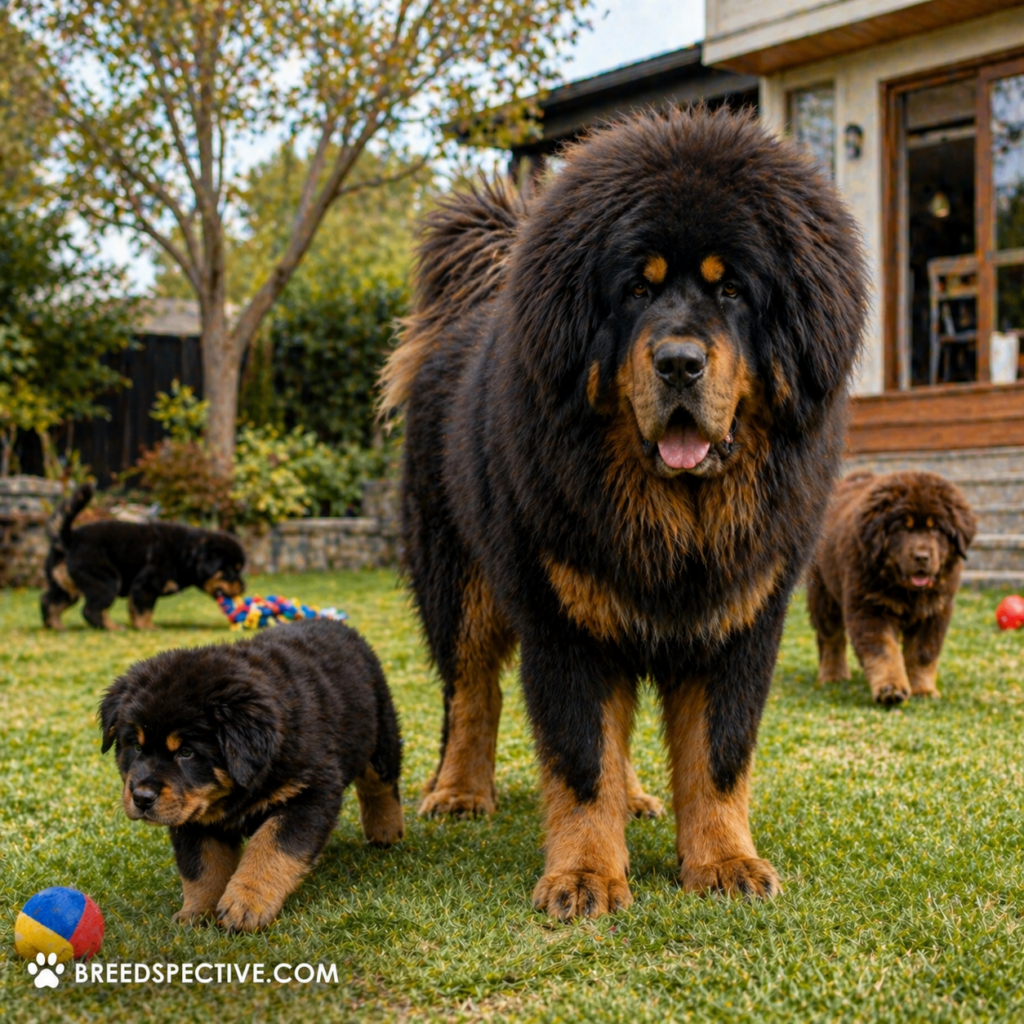
1. Tibetan Mastiff
The Tibetan Mastiff is often considered one of the most expensive dog breeds in the world.
Why it’s expensive:
- Extremely large size → high food costs
- Thick coat → frequent grooming
- Independent nature → training challenges
- High purchase price
Estimated annual cost:
- $3,000–$7,000+
2. French Bulldog
French Bulldogs are popular—and expensive to maintain.
Why it’s expensive:
- Prone to respiratory issues
- Frequent vet visits
- Specialized care needs
- High demand increases cost
Estimated annual cost:
- $2,500–$5,000+
👉 Learn more: French Bulldog Temperament, Energy Level, and Lifestyle Fit
3. English Bulldog
Bulldogs require consistent medical attention.
Why it’s expensive:
- Skin and breathing issues
- High vet bills
- Specialized diet needs
Estimated annual cost:
- $2,500–$4,500+
👉 Learn more: Bulldog Temperament, Energy Level, and Lifestyle Fit
4. Rottweiler
Rottweilers are powerful dogs with high maintenance needs.
Why it’s expensive:
- Large food requirements
- Training and socialization costs
- Potential health concerns
Estimated annual cost:
- $2,000–$4,000+
👉 Learn more: Rottweiler vs Doberman: Protection, Temperament, and Lifestyle
5. Great Dane
Great Danes are gentle giants—but expensive to maintain.
Why it’s expensive:
- Massive size → high food costs
- Shorter lifespan with higher medical risk
- Joint and mobility issues
Estimated annual cost:
- $2,500–$5,000+
👉 Learn more: Great Dane Temperament, Energy Level, and Lifestyle Fit
6. Chow Chow
Chow Chows require extensive grooming and careful training.
Why it’s expensive:
- Thick coat maintenance
- Independent temperament → training costs
- Health monitoring
Estimated annual cost:
- $2,000–$4,000+
7. Bernese Mountain Dog
This breed is loving but comes with higher long-term costs.
Why it’s expensive:
- Large size → food costs
- Prone to health issues
- Shorter lifespan
Estimated annual cost:
- $2,500–$4,500+
👉 Learn more: Bernese Mountain Dog Temperament, Energy Level, and Lifestyle Fit
8. Afghan Hound
Known for its beautiful coat, the Afghan Hound requires consistent grooming.
Why it’s expensive:
- High grooming costs
- Time-intensive maintenance
- Specialized care
Estimated annual cost:
- $2,000–$4,000+
9. Saint Bernard
Saint Bernards are large, affectionate dogs—but expensive to maintain.
Why it’s expensive:
- High food intake
- Medical costs related to size
- Grooming and upkeep
Estimated annual cost:
- $2,500–$5,000+
👉 Learn more: Saint Bernard Temperament, Energy Level, and Lifestyle Fit
10. Portuguese Water Dog
This breed gained popularity in recent years, increasing demand and cost.
Why it’s expensive:
- Grooming requirements
- Active lifestyle needs
- Higher purchase price
Estimated annual cost:
- $2,000–$4,000+
Hidden Costs Many Owners Overlook
Beyond basic care, there are additional expenses many people don’t anticipate:
- Emergency veterinary visits
- Boarding or pet sitting
- Training classes
- Toys, enrichment, and supplies
- Insurance or long-term health care
These costs can add up quickly, especially with high-maintenance breeds.
Large Dogs vs Small Dogs: Cost Comparison
Large Breeds
- Higher food costs
- Increased medical expenses
- Shorter lifespans (in some cases)
Small Breeds
- Lower food costs
- Higher grooming costs (in some cases)
- Potential dental issues
Are Expensive Dog Breeds Worth It?
Expensive doesn’t mean better—it simply means higher maintenance and cost.
The best dog for you is one that:
- Fits your budget
- Matches your lifestyle
- Aligns with your time commitment
If you’re a first-time owner, you may want to explore more manageable options:
👉 Best Dog Breeds for First-Time Owners (Ranked)
Budget-Friendly Alternatives
If cost is a concern, consider:
- Mixed-breed dogs
- Smaller breeds
- Lower-maintenance dogs
These options often provide:
- Lower overall costs
- Fewer health issues
- Greater flexibility
Common Mistakes When Budgeting for a Dog
Avoid these financial pitfalls:
- Only considering the purchase price
- Underestimating vet costs
- Ignoring grooming needs
- Not budgeting for emergencies
- Choosing a breed based on popularity
Planning ahead ensures a more stable and stress-free ownership experience.
Final Thoughts: Choose Based on Lifestyle and Budget
The most expensive dog breeds to own require more than just financial commitment—they demand time, attention, and proper care.
Before choosing a breed, make sure you understand:
- Long-term costs
- Daily responsibilities
- Lifestyle compatibility
If you’re unsure where to start:
👉 How to Choose the Right Dog Breed for Your Lifestyle
Choosing a dog that fits both your budget and lifestyle leads to a better experience for you—and a better life for your dog.