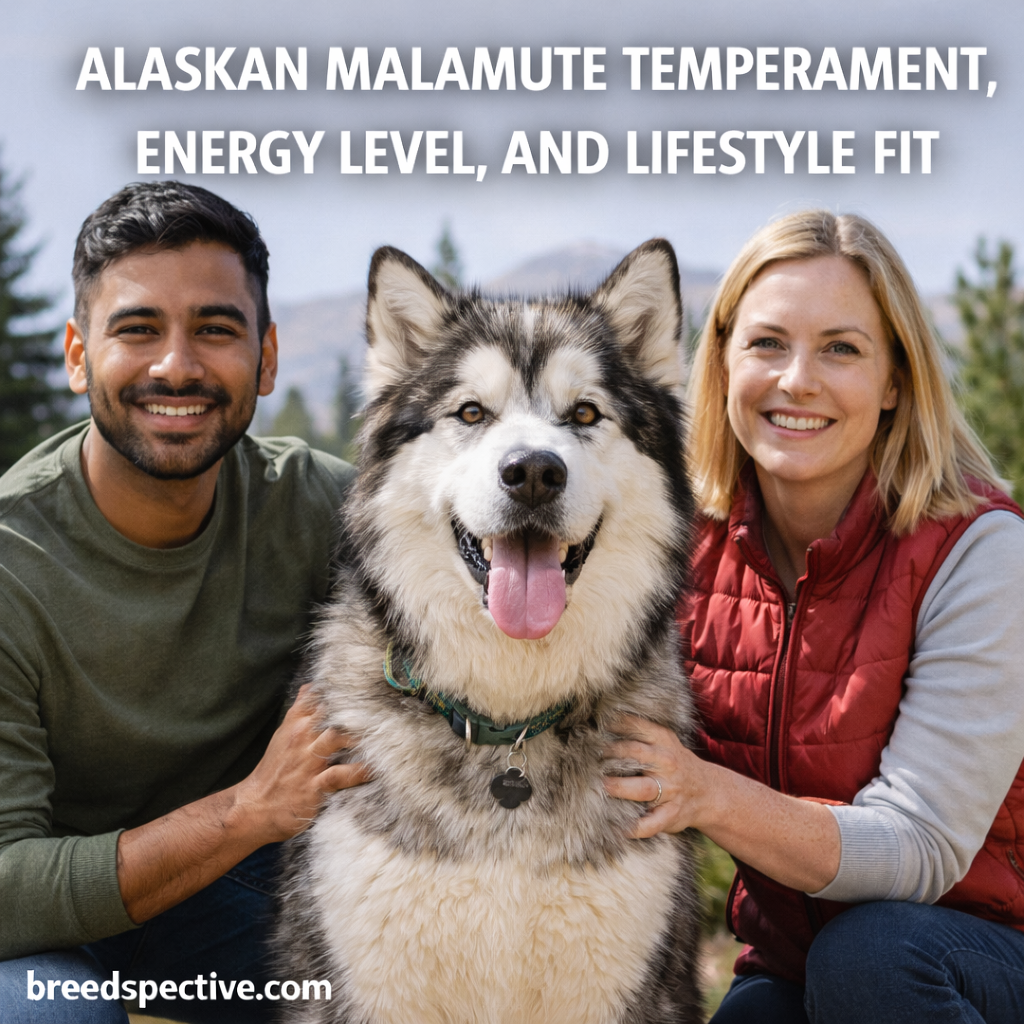

Living with a high-energy dog can be incredibly rewarding—but it’s also one of the most demanding pet ownership experiences. These dogs bring constant movement, mental stimulation needs, and daily structure into your life.
If you’re considering a high-energy breed—or already have one—this guide breaks down what it’s really like day to day, including the challenges, rewards, and lifestyle adjustments required.
What Counts as a High-Energy Dog?
High-energy dogs are breeds that were originally developed for work, endurance, and activity.
Common examples include:
- Border Collies
- Australian Shepherds
- Siberian Huskies
- Belgian Malinois
- Labrador Retrievers (especially young ones)
👉 Learn more:
How to Match a Dog’s Energy Level to Your Daily Routine
These dogs are not just physically active—they also require mental engagement to stay balanced.
Your Daily Routine Will Change
Owning a high-energy dog means your schedule revolves around their needs.
A typical day might include:
- Morning walk or run (30–60 minutes)
- Midday play or training session
- Evening exercise or enrichment
- Mental stimulation (puzzle toys, obedience work)
Reality check:
Skipping activity—even for a day—can lead to behavioral issues.
Exercise Isn’t Optional—It’s Essential

High-energy dogs don’t “settle down” without effort.
What they need daily:
- 60–120+ minutes of physical activity
- Structured play (fetch, agility, running)
- Off-leash or open-space time (when safe)
Without enough exercise, you may see:
- Destructive chewing
- Excessive barking
- Hyperactivity indoors
Mental Stimulation Is Just as Important
Physical exercise alone isn’t enough.
High-energy dogs also need:
- Training sessions
- Puzzle toys
- Problem-solving activities
- Interactive games
Why it matters:
A bored high-energy dog will create its own entertainment—and you probably won’t like it.
Behavior Challenges Are Common
Even well-trained high-energy dogs can be challenging.
Common issues include:
- Jumping and overexcitement
- Pulling on the leash
- Destructive behavior when bored
- Difficulty relaxing
The key is consistency, structure, and training.
Your Home Setup Matters
Your environment plays a big role in how manageable your dog will be.
Ideal setup:
- Access to outdoor space
- Room to move indoors
- Safe areas for play and training
Less ideal:
- Small apartments with limited activity
- Long periods alone
- Minimal stimulation
👉 Avoid mismatches:
Worst Dog Breeds for Apartment Living
Time Commitment Is Higher Than You Think
High-energy dogs don’t fit into a “low-effort” lifestyle.
You’ll need to commit to:
- Daily exercise (no skipping)
- Regular training
- Active engagement
Honest truth:
This is closer to a lifestyle than a hobby.
The Rewards Are Worth It
Despite the demands, high-energy dogs offer incredible benefits.
What owners love:
- Strong bond and loyalty
- High intelligence and trainability
- Fun, active lifestyle
- Emotional engagement
These dogs often become deeply connected companions.
Who High-Energy Dogs Are Best For
High-energy dogs thrive with:
- Active individuals or families
- People who enjoy outdoor activities
- Owners committed to training and structure
They are not ideal for:
- Sedentary lifestyles
- Busy schedules with little flexibility
- Owners wanting a low-maintenance pet
Common Mistakes New Owners Make
- Underestimating energy levels
- Not providing enough mental stimulation
- Skipping training
- Choosing based on appearance
👉 Avoid these mistakes:
What Most First-Time Pet Owners Get Wrong About Breed Selection
How to Successfully Live With a High-Energy Dog
Practical tips:
- Stick to a consistent routine
- Mix physical and mental activities
- Use training as daily stimulation
- Rotate toys to prevent boredom
- Plan for long-term commitment
Real-Life Example: What a Good Day Looks Like
- Morning run + obedience training
- Afternoon play or enrichment
- Evening walk + calm bonding time
A well-exercised dog is calmer, happier, and easier to manage.
Final Thoughts: Is It the Right Fit for You?
Living with a high-energy dog is intense, structured, and time-consuming—but also deeply rewarding.
If you can match their energy and provide consistent engagement, you’ll have:
- A loyal companion
- A highly trainable partner
- A dog that thrives with you
If not, it can quickly become overwhelming.
The key is being honest about your time, energy, and lifestyle before committing.