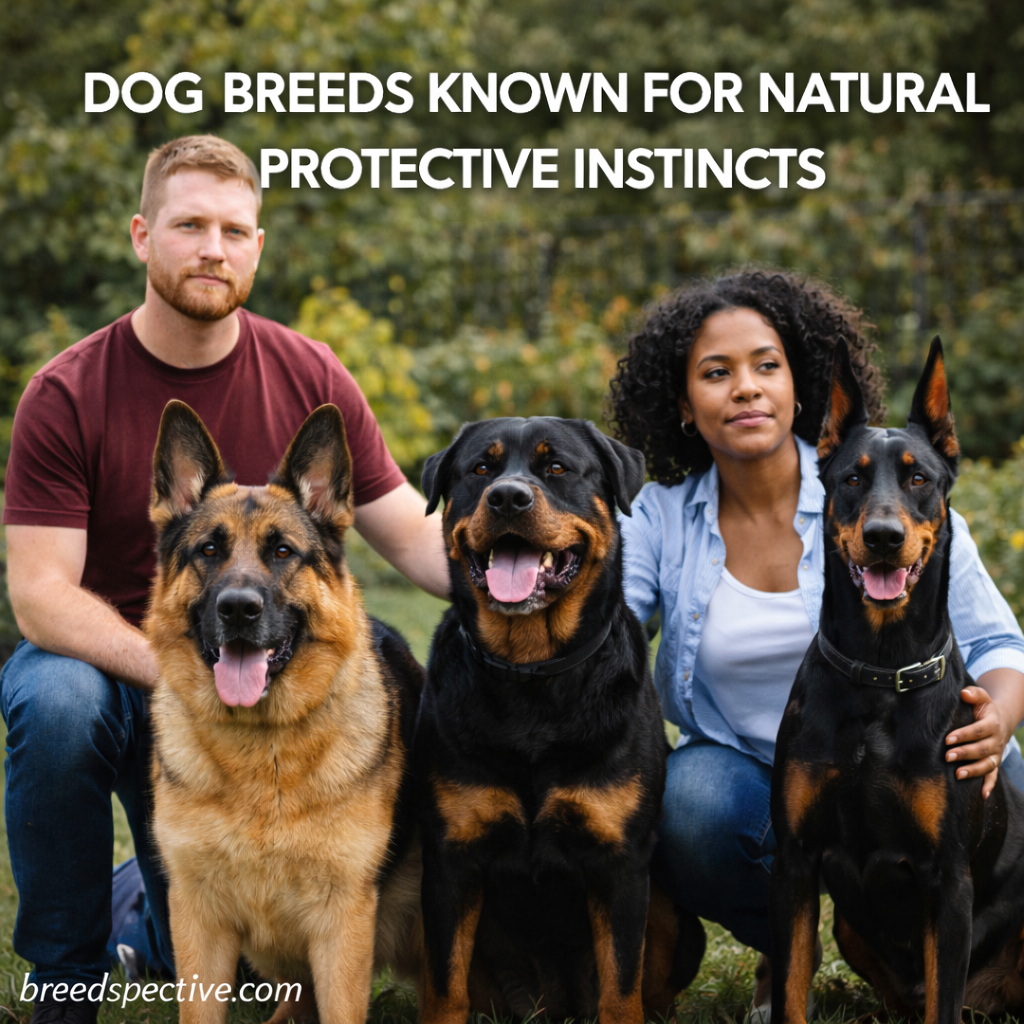
Dog Breeds Known for Natural Protective Instincts

German Shepherd, Rottweiler, and Doberman Pinscher sitting alert with their owners outdoors, illustrating dog breeds known for natural protective instincts.
Protective dog breeds pictured with their owners, highlighting loyalty, alertness, and natural guarding instincts. breedspective.com.

Some dog breeds possess strong natural protective instincts that make them especially alert, loyal, and watchful over their families. These instincts are not the same as aggression. Instead, they stem from traits such as loyalty, territorial awareness, confidence, and a deep bond with their owners.

Understanding which breeds are naturally protective — and what that protection actually looks like — helps owners choose dogs that align with their lifestyle, experience level, and expectations.

Continue reading “Dog Breeds Known for Natural Protective Instincts”


Best Dog Breeds for Families with Young Children

Young children sitting with family-friendly dog breeds including a Golden Retriever, Beagle, and mixed-breed dog, showing gentle and kid-friendly temperaments.
Family-friendly dog breeds pictured with young children, highlighting gentle temperaments and compatibility with kids. breedspective.com.

Choosing the right dog for a family with young children is about more than looks or popularity. The ideal family dog should be patient, gentle, emotionally stable, and tolerant of noise, movement, and unpredictable behavior. While every dog is an individual, certain breeds are consistently better suited to family life with kids due to their temperament and adaptability.

This guide explores the best dog breeds for families with young children and what makes them a strong match for kid-friendly households.

Continue reading “Best Dog Breeds for Families with Young Children”

Basic Training Expectations by Dog Breed

Dogs of different breeds training with their owners outdoors, showing how training expectations vary by breed type.
Dogs from different breed groups practicing basic training with their owners, highlighting breed-specific learning styles. breedspective.com.

Every dog needs training, but not every dog learns the same way or at the same pace. Breed traits play a major role in how dogs respond to training, what motivates them, and which habits come most naturally. Understanding basic training expectations by dog breed helps owners set realistic goals and build better communication from the start.

This guide explains how breed tendencies influence training and what owners should expect when working with different types of dogs.

Continue reading “Basic Training Expectations by Dog Breed”

Grooming Needs by Dog Coat Type

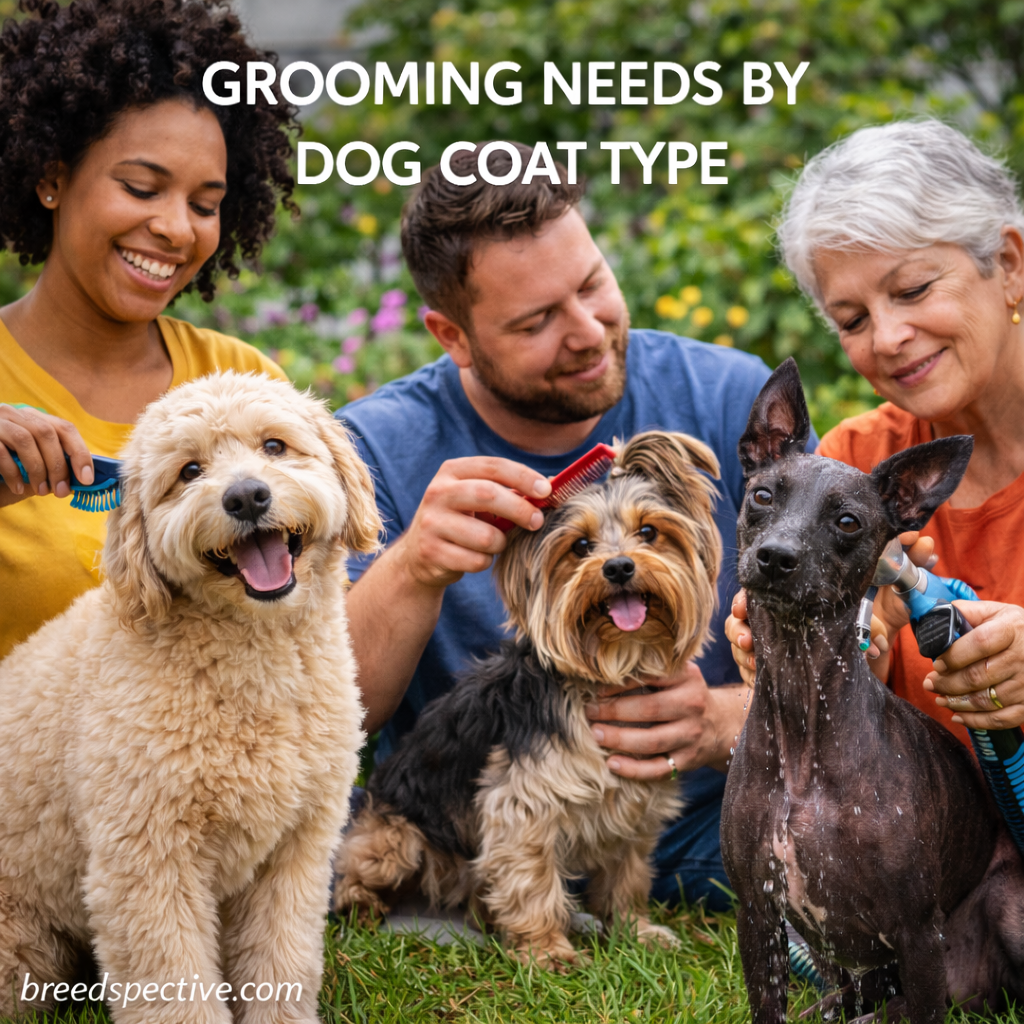
People grooming dogs with different coat types, including curly, long-haired, and hairless coats, demonstrating coat-specific grooming needs.
Dogs with different coat types being groomed, illustrating how grooming needs vary by coat structure. breedspective.com.

Not all dogs have the same grooming needs. A dog’s coat type plays a major role in how often it needs brushing, bathing, trimming, and professional grooming. Understanding coat-specific care helps owners keep their dogs comfortable, healthy, and looking their best — while avoiding common grooming mistakes.

This guide breaks down grooming needs by dog coat type so you can build the right routine for your dog’s unique coat.

Continue reading “Grooming Needs by Dog Coat Type”

Daily Care Routines for Dogs at Every Life Stage

Three people caring for dogs of different ages outdoors, including a puppy, an adult dog, and a senior dog, illustrating daily care routines at every life stage.
Dogs at different life stages receiving daily care and attention, highlighting age-appropriate routines for lifelong health. breedspective.com.

Dogs require consistent daily care to stay healthy, comfortable, and emotionally balanced. While the basics of care remain similar throughout a dog’s life, routines should evolve as dogs grow from puppies into adults and eventually seniors.

Understanding how daily care needs change at each life stage helps owners provide the right level of attention, exercise, nutrition, and mental stimulation for long-term well-being.

Continue reading “Daily Care Routines for Dogs at Every Life Stage”

Labradoodle Temperament and Family Compatibility

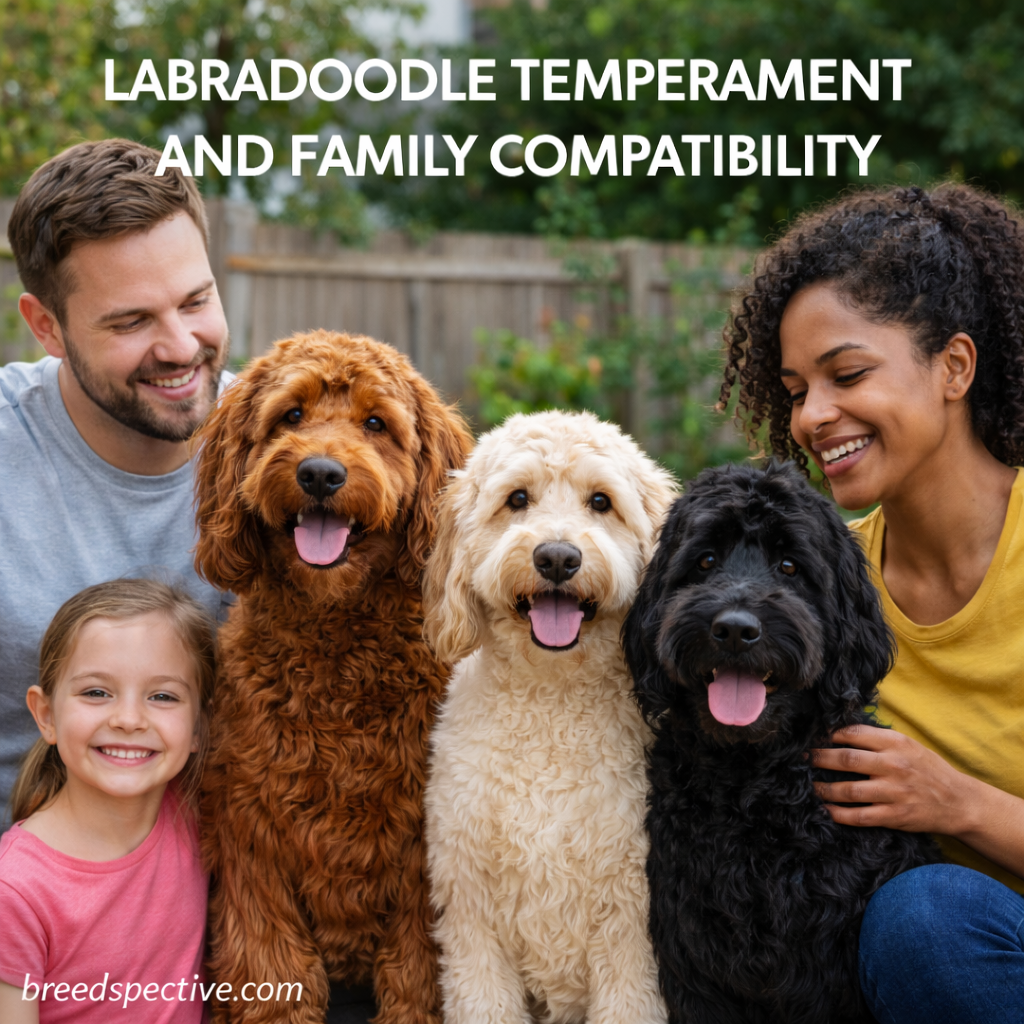
Labradoodles of different coat colors sitting with a diverse family outdoors, illustrating the breed’s friendly temperament and family compatibility.
Labradoodles pictured with a family in a backyard setting, highlighting the breed’s affectionate temperament and suitability for family life. breedspective.com.

The Labradoodle is one of the most popular mixed-breed dogs in the world, prized for its friendly nature, intelligence, and family-oriented personality. Originally bred as a potential hypoallergenic service dog, the Labradoodle has since become a beloved companion in households of all types.

Understanding the Labradoodle’s temperament and how it fits into family life can help prospective owners determine whether this energetic and affectionate hybrid is the right match for their home.

Continue reading “Labradoodle Temperament and Family Compatibility”

Grooming and Care Needs of Maine Coon Cats

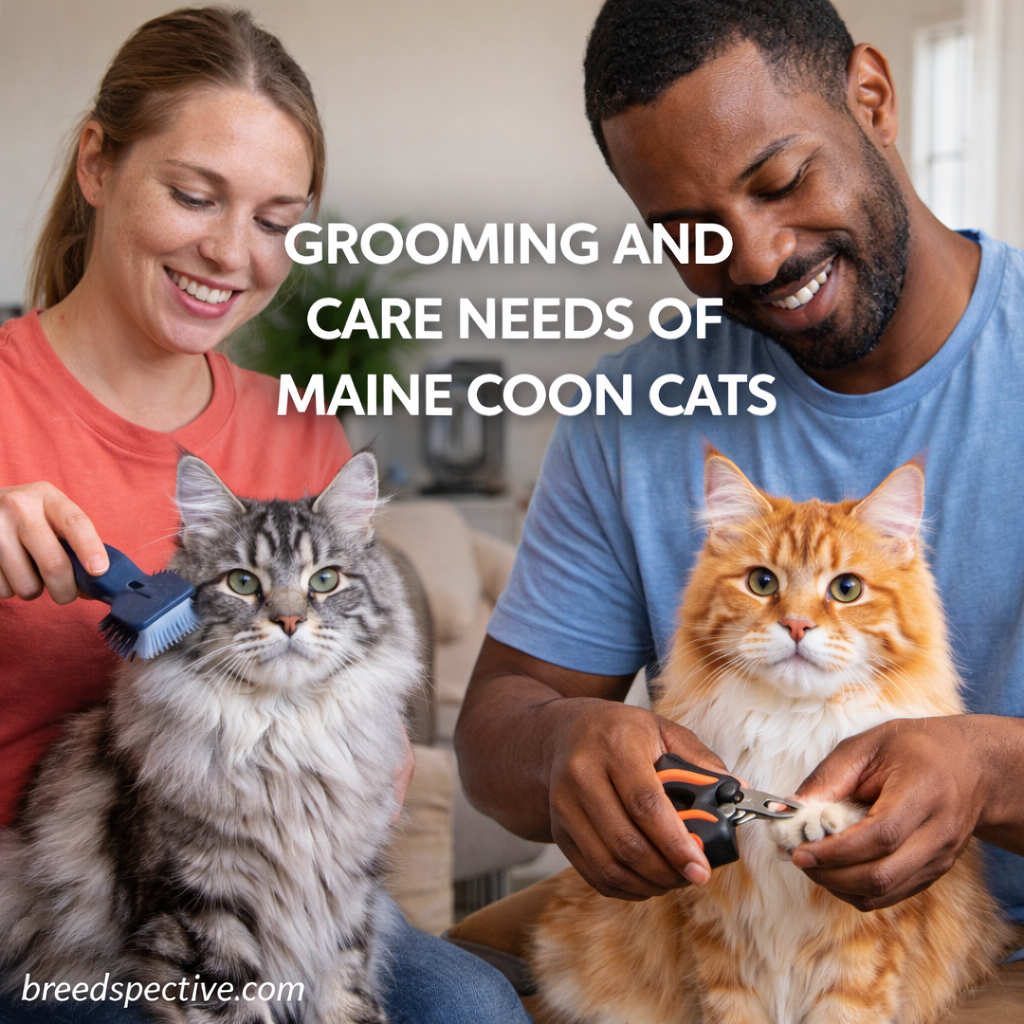
Two people grooming Maine Coon cats indoors, brushing fur and trimming nails, illustrating proper grooming and care needs for the breed.
Maine Coon cats receiving regular grooming and care at home, highlighting coat maintenance and routine care practices. breedspective.com.

Maine Coon cats are admired for their impressive size, tufted ears, and luxurious coats. While they are often considered relatively low-maintenance for a long-haired breed, Maine Coons still require consistent grooming and care to stay healthy, comfortable, and mat-free.

Understanding their grooming needs helps owners maintain not only their coat, but also their skin, nails, teeth, and overall well-being throughout every life stage.

Continue reading “Grooming and Care Needs of Maine Coon Cats”

Maine Coon Breed History and Origins

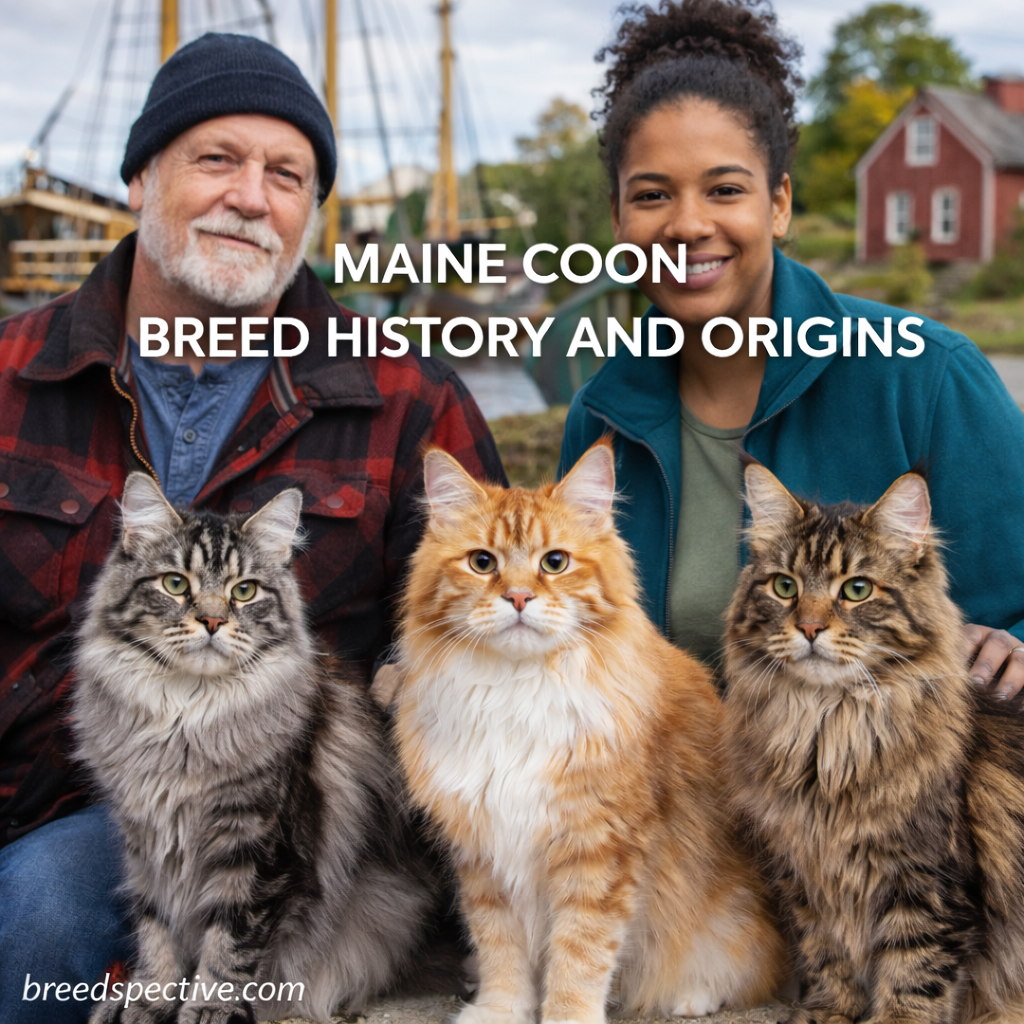
Three Maine Coon cats of different colors sitting outdoors with two people near a historic coastal setting, representing the breed’s origins and early working history.
Maine Coon cats pictured in a coastal setting with their owners, reflecting the breed’s historical roots and natural development. breedspective.com.

The Maine Coon is one of the oldest natural cat breeds in North America and one of the most recognizable feline companions today. Known for its impressive size, tufted ears, and sociable personality, the breed carries a history shaped by environment, folklore, and practical survival rather than intentional early breeding.

Understanding the Maine Coon’s origins helps explain its physical traits, temperament, and enduring popularity as a gentle, adaptable companion.

Continue reading “Maine Coon Breed History and Origins”

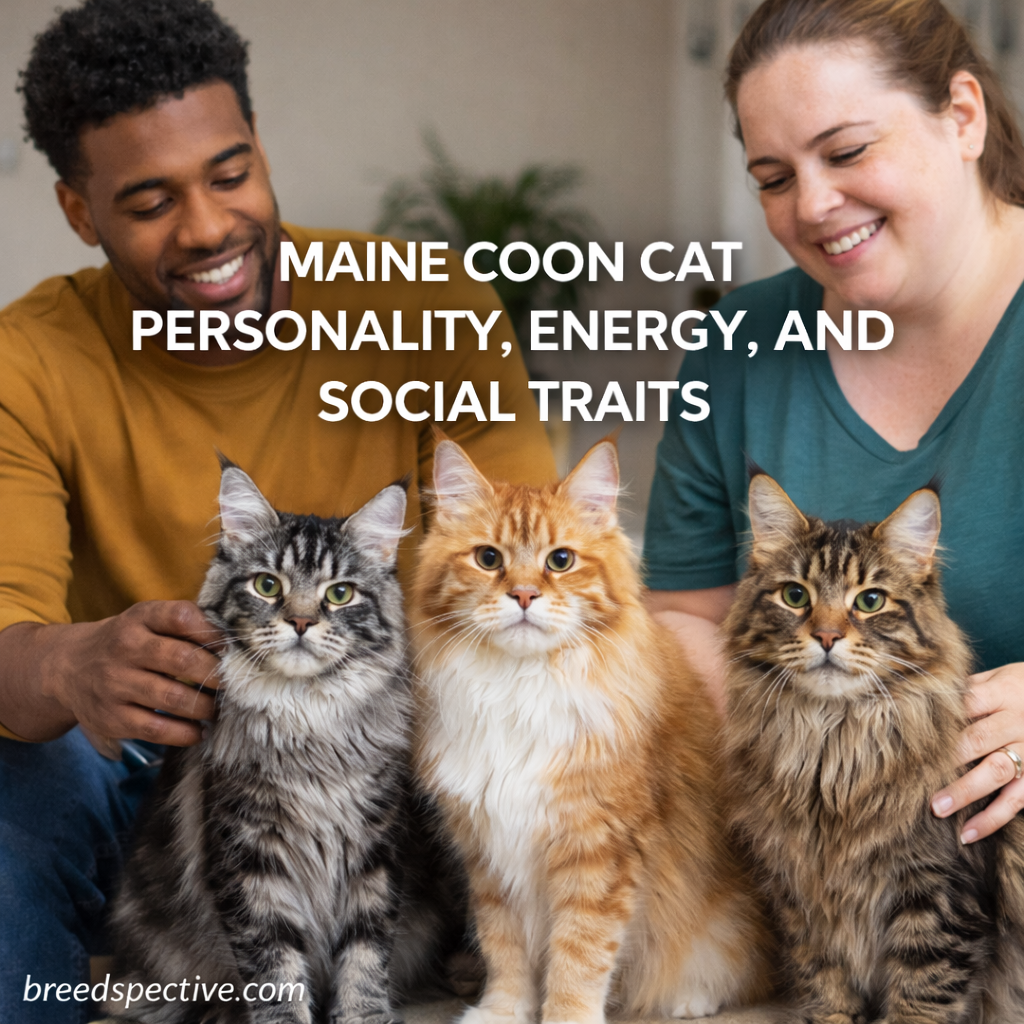
Maine Coon Cat Personality, Energy, and Social Traits

Three Maine Coon cats of different colors sitting indoors with two people, illustrating the breed’s friendly personality, moderate energy level, and social nature.
Maine Coon cats pictured with their owners, highlighting the breed’s affectionate personality, calm energy, and strong social traits. breedspective.com.

The Maine Coon is one of the most recognizable and beloved cat breeds in the world. Known for its large size, expressive features, and luxurious coat, this “gentle giant” is just as admired for its personality as for its appearance.

But here’s what makes them stand out—Maine Coons offer a rare combination of affection, independence, and intelligence, making them one of the most balanced companion cats you can own.

This guide breaks down Maine Coon personality, energy level, and social traits so you can decide if this breed fits your lifestyle.

Continue reading “Maine Coon Cat Personality, Energy, and Social Traits”

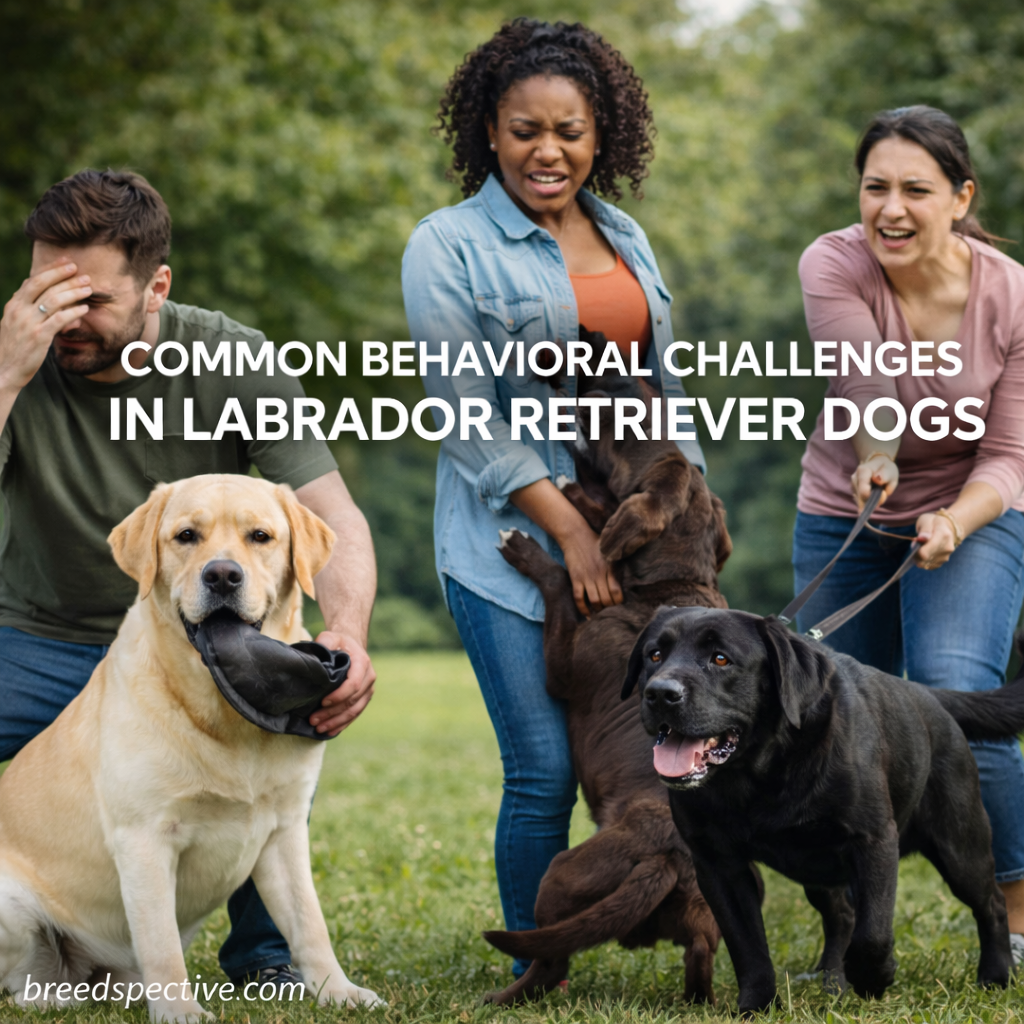
Common Behavioral Challenges in Labrador Retriever Dogs

Labrador Retrievers of different coat colors displaying common behavior challenges such as chewing, pulling on the leash, and jumping while owners react outdoors.
Labrador Retrievers exhibiting common behavioral challenges alongside their owners, illustrating typical issues faced by the breed. breedspective.com.

Labrador Retrievers are widely loved for their friendly personalities, intelligence, and enthusiasm for life. However, despite their reputation as easygoing family dogs, Labradors can develop behavioral challenges if their physical, mental, and emotional needs are not met.

Understanding these common issues — and why they occur — can help owners prevent problems early and build a healthier, more balanced relationship with their dog.

Continue reading “Common Behavioral Challenges in Labrador Retriever Dogs”