Grooming and Care Needs of British Shorthair Cats

British Shorthair cats being groomed by owners indoors, showing brushing and nail care as part of routine maintenance.
Owners grooming British Shorthair cats indoors, highlighting brushing and nail care routines. breedspective.com.

British Shorthair cats are often described as low-maintenance, but proper grooming and daily care are still essential to keeping them healthy, comfortable, and looking their best. Their dense coat, sturdy build, and calm temperament make care relatively straightforward, yet there are specific needs every owner should understand.

This article covers the grooming requirements, hygiene routines, and overall care needs of British Shorthair cats so you can support their long-term well-being.

Continue reading “Grooming and Care Needs of British Shorthair Cats”
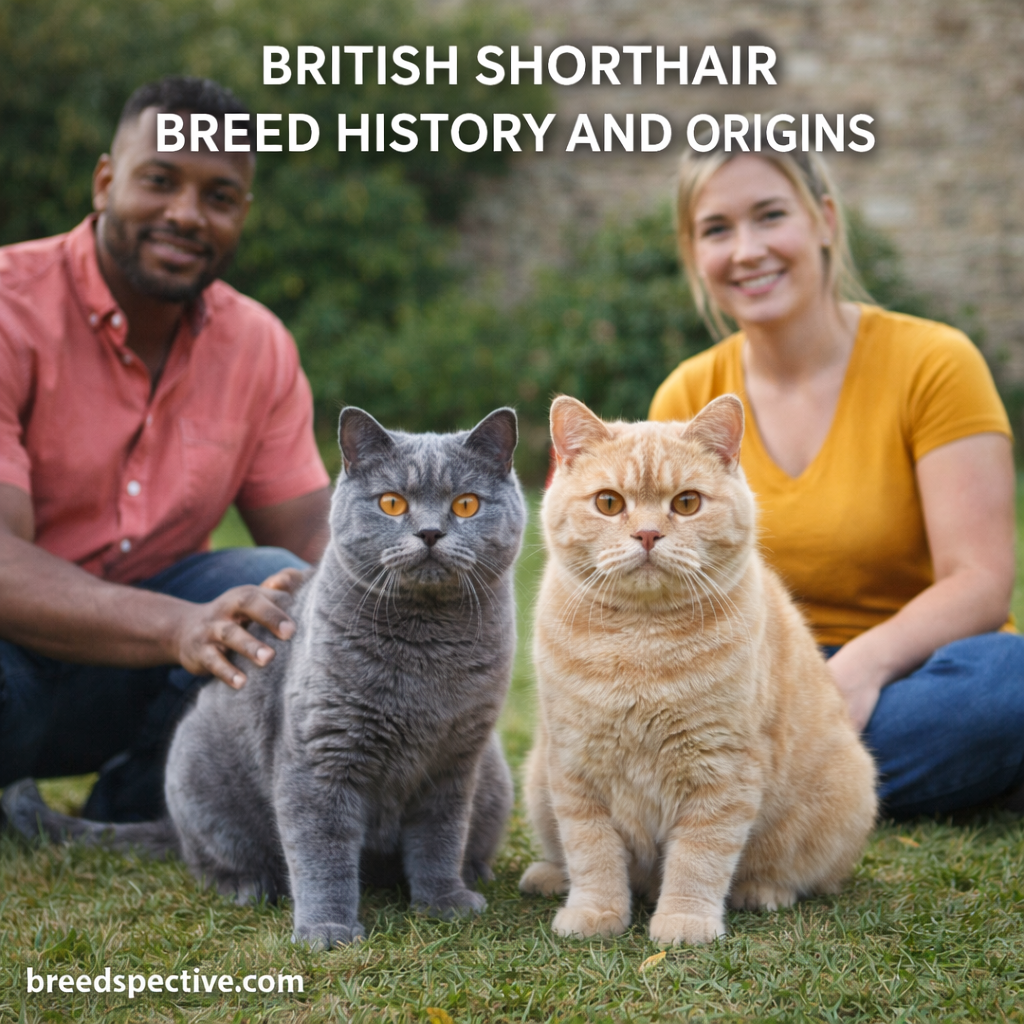
British Shorthair Breed History and Origins

British Shorthair cats with owners outdoors, representing the breed’s historical origins and development.
British Shorthair cats with owners, reflecting the breed’s long history and evolution into a companion cat. breedspective.com.

The British Shorthair is one of the oldest and most historically significant cat breeds in the world. Long before it became known for its plush coat and calm demeanor, this breed developed as a hardy working cat valued for strength, resilience, and adaptability. Over centuries, natural selection and careful breeding shaped the British Shorthair into the iconic companion cat we recognize today.

This article explores the British Shorthair’s history, early origins, and how its past continues to influence the breed’s appearance and personality.

Continue reading “British Shorthair Breed History and Origins”

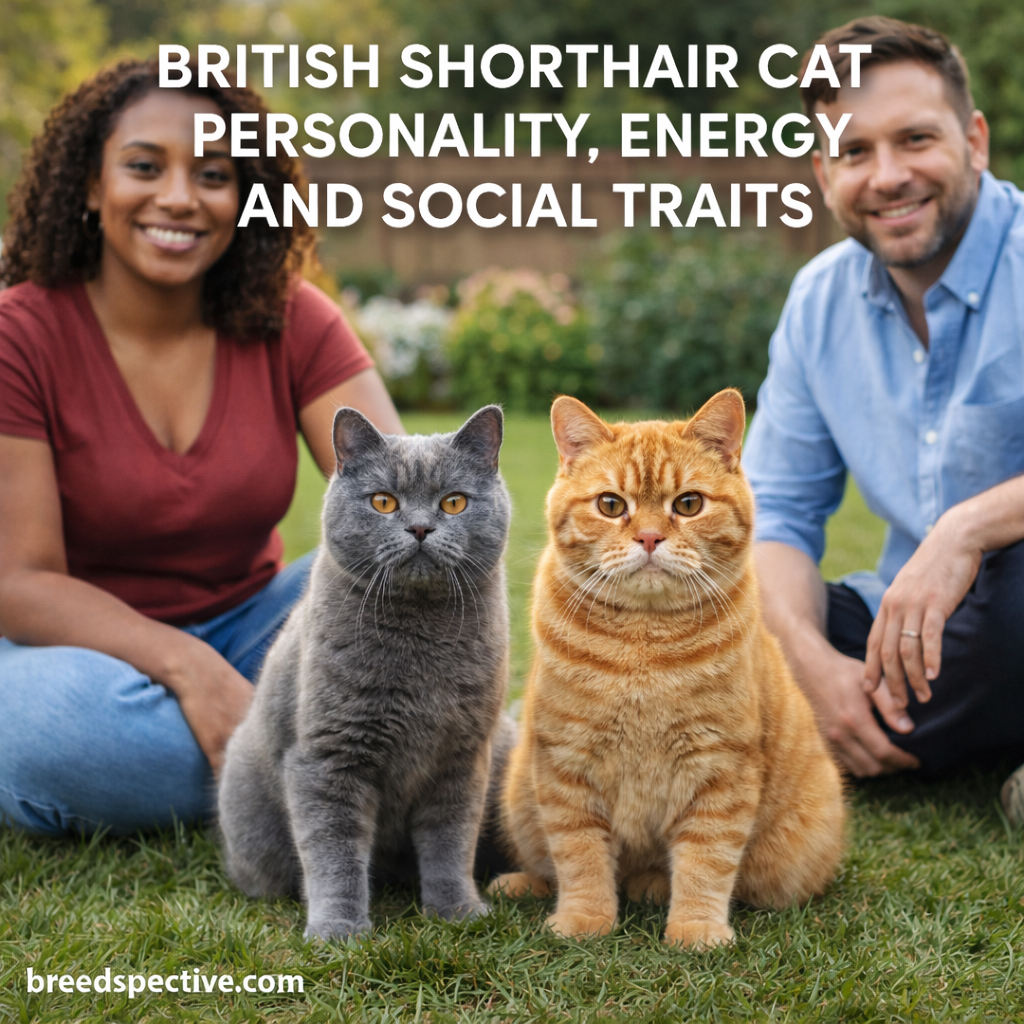
British Shorthair Cat Personality, Energy, and Social Traits

British Shorthair cats with owners outdoors, illustrating calm personality, moderate energy level, and social traits.
British Shorthair cats with their owners outdoors, reflecting the breed’s calm temperament and social nature. breedspective.com.

British Shorthair cats are admired for their plush coats, round features, and calm, dignified personalities. Unlike high-energy or overly vocal breeds, they offer a steady, reassuring presence and adapt well to a wide range of households. Their temperament blends independence with loyalty, making them especially appealing to owners who value low-maintenance companionship.

This article explores the British Shorthair cat’s personality, energy level, and social traits to help you decide if this breed is the right fit for your lifestyle.

Continue reading “British Shorthair Cat Personality, Energy, and Social Traits”

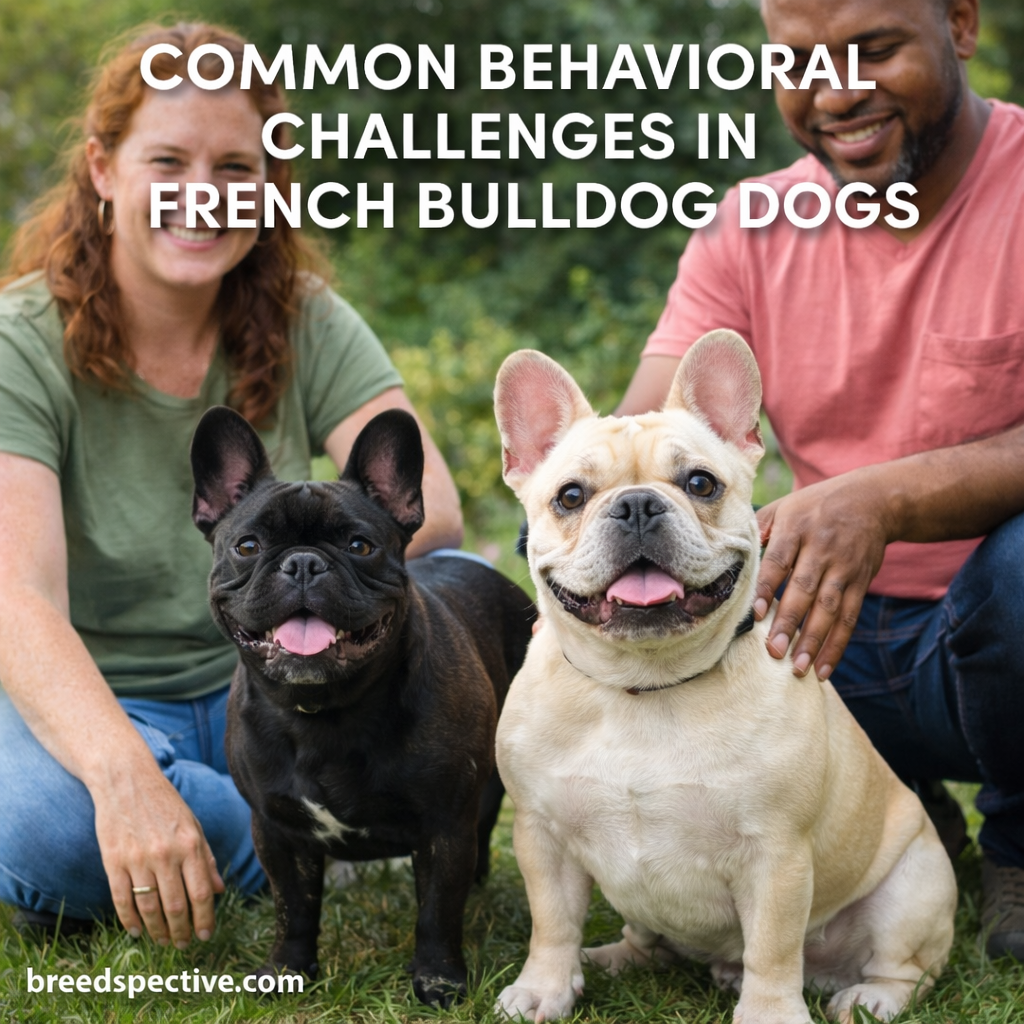
Common Behavioral Challenges in French Bulldog Dogs

French Bulldogs with owners outdoors, illustrating common behavioral challenges and temperament traits in the breed.
French Bulldogs with their owners, representing common behavioral challenges and emotional sensitivity. breedspective.com.

French Bulldogs are affectionate, people-focused companions, but like all breeds, they can develop behavioral challenges. Many of these issues are closely tied to the breed’s history as a companion dog, their emotional sensitivity, and their strong dependence on human interaction.

This article explores the most common behavioral challenges in French Bulldog dogs, why they occur, and how owners can address them effectively.

Continue reading “Common Behavioral Challenges in French Bulldog Dogs”

French Bulldog History and Original Purpose

French Bulldog sitting outdoors with diverse owners, representing the breed’s history and original purpose as a companion dog.
A French Bulldog with owners outdoors, reflecting the breed’s historical role as a close human companion. breedspective.com.

The French Bulldog may be a modern icon of companionship, but its history is deeply rooted in working-class life, cultural exchange, and selective breeding. Originally developed for function rather than fashion, the French Bulldog’s journey from industrial England to fashionable France shaped the affectionate, people-focused breed we know today.

This article explores the history of the French Bulldog, its original purpose, and how historical influences shaped its temperament, size, and role as a companion dog.

Continue reading “French Bulldog History and Original Purpose”

French Bulldog Temperament, Energy Level, and Lifestyle Fit

French Bulldog sitting on grass with diverse owners, illustrating temperament, energy level, and lifestyle fit.
A French Bulldog relaxing outdoors with owners, highlighting temperament, energy level, and lifestyle fit. breedspective.com.

French Bulldogs are one of the most popular companion dog breeds in the world—and for good reason. Known for their affectionate nature, adaptability, and charming personalities, Frenchies fit comfortably into many modern lifestyles.

But here’s what many first-time owners don’t realize: French Bulldogs may be low in energy, but they are high in emotional needs. Their temperament and lifestyle fit depend heavily on companionship, routine, and proper care.

This guide breaks down French Bulldog temperament, energy levels, and lifestyle compatibility so you can decide if this breed is right for your home.

Continue reading “French Bulldog Temperament, Energy Level, and Lifestyle Fit”

Kangal vs Cane Corso: Strength, Temperament, and Purpose

Kangal and Cane Corso dogs standing side by side outdoors, comparing strength, temperament, and guardian purpose.
A Kangal and a Cane Corso shown together, highlighting differences in strength, temperament, and protective roles. breedspective.com.

When comparing powerful guardian breeds, the Kangal and the Cane Corso often come up as two of the most formidable dogs in the world. Both are large, muscular, and deeply loyal—but they were developed for very different purposes, which strongly influences their strength, temperament, and suitability for modern owners.

This guide breaks down the key differences between the Kangal and the Cane Corso to help you understand which breed fits your lifestyle, experience level, and protection needs.

Continue reading “Kangal vs Cane Corso: Strength, Temperament, and Purpose”

Best Dog Breeds for Special Needs Owners

Special needs owners with calm, gentle dog breeds, illustrating ideal owner-breed matching for emotional support and daily companionship.
Special needs owners pictured with calm, gentle dog breeds that offer emotional support, trainability, and manageable care needs. breedspective.com.

Choosing the right dog is especially important for special needs owners. The ideal breed should offer emotional support, predictable behavior, manageable care requirements, and a temperament that aligns with the owner’s physical, sensory, or emotional needs. While individual dogs vary, certain breeds are consistently known for qualities that make daily life easier and more supportive.

This guide explores what makes a dog well-suited for special needs owners and highlights traits to prioritize when matching a dog to specific needs.

Continue reading “Best Dog Breeds for Special Needs Owners”

Why Some Dog Breeds Are Harder to House Train

Dog owners with breeds often considered harder to house train, including a Beagle, Siberian Husky, and Dachshund, in a home setting.
Dog owners pictured with breeds commonly considered harder to house train, highlighting differences in temperament and training needs. breedspective.com.

House training is one of the first—and sometimes most challenging—steps in raising a dog. While every dog can learn proper bathroom habits, some breeds tend to take longer than others. This doesn’t mean they’re stubborn or incapable; it usually comes down to instinct, temperament, physical traits, and how they were originally bred to work.

Understanding why certain dog breeds are harder to house train helps owners set realistic expectations, choose better training strategies, and avoid frustration during the process.

Continue reading “Why Some Dog Breeds Are Harder to House Train”

Low-Shedding Dog Breeds Explained

Low-shedding dog breeds pictured with owners, showing different coat types commonly associated with reduced shedding.
Low-shedding dog breeds shown with owners, illustrating coat types that shed less and require regular grooming. breedspective.com.

Low-shedding dog breeds are often sought after by people who want a cleaner home, reduced allergens, or easier coat maintenance. While no dog is completely shed-free, some breeds shed far less than others due to coat type, hair growth cycles, and grooming needs.

This guide explains what “low-shedding” really means, why some dogs shed less, and which types of breeds fall into this category—along with the care they require.

Continue reading “Low-Shedding Dog Breeds Explained”