Ragdoll Breed History and Origins

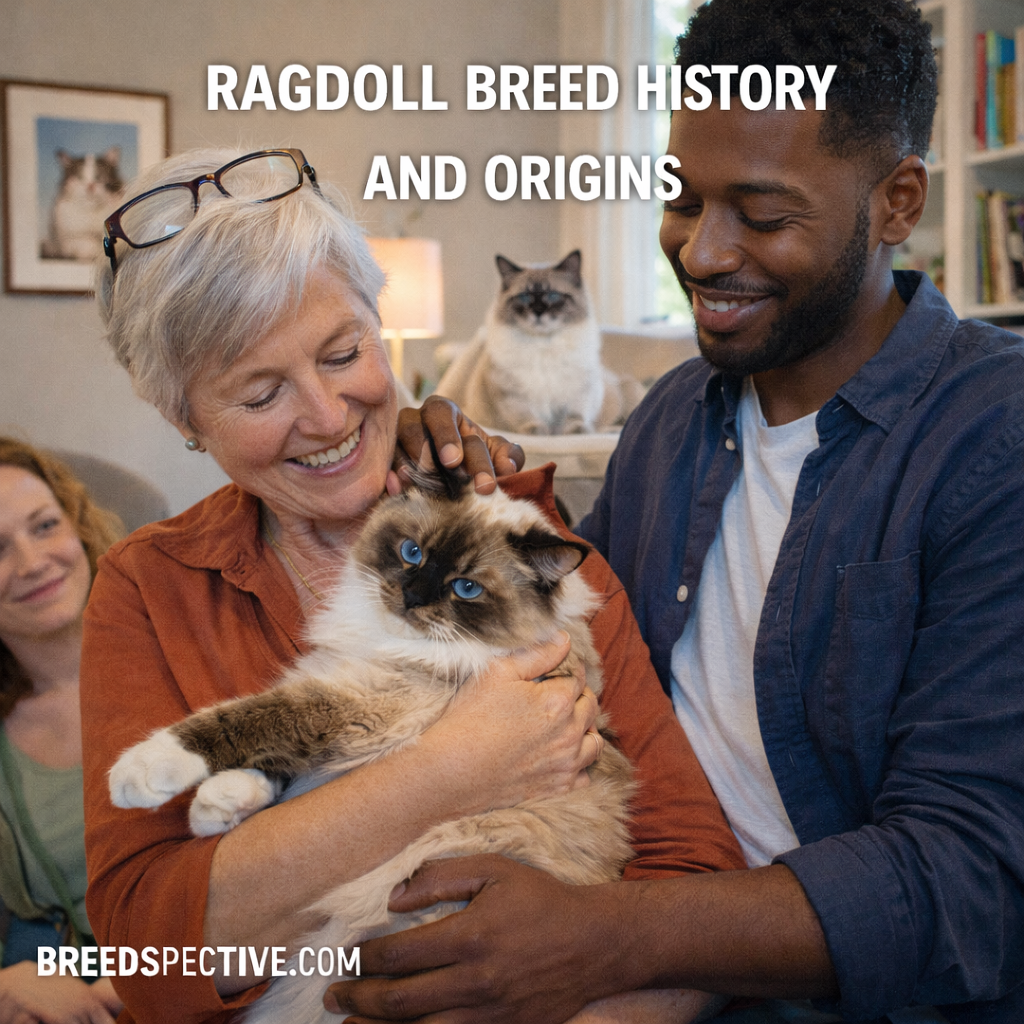
Ragdoll cat being held by people indoors, representing the breed’s history, origins, and companion-focused development.
A Ragdoll cat shown with people to reflect the breed’s modern origins and history as a companion-focused cat.

The Ragdoll is one of the most distinctive and recognizable cat breeds in the world, known for its striking blue eyes, plush coat, and famously gentle temperament. Unlike many ancient cat breeds, the Ragdoll has a modern, well-documented history that traces back to a single breeder and a carefully controlled breeding program.

Understanding the Ragdoll’s origins helps explain why the breed is so affectionate, calm, and people-oriented today.

Continue reading “Ragdoll Breed History and Origins”
Ragdoll Cat Personality, Energy, and Social Traits

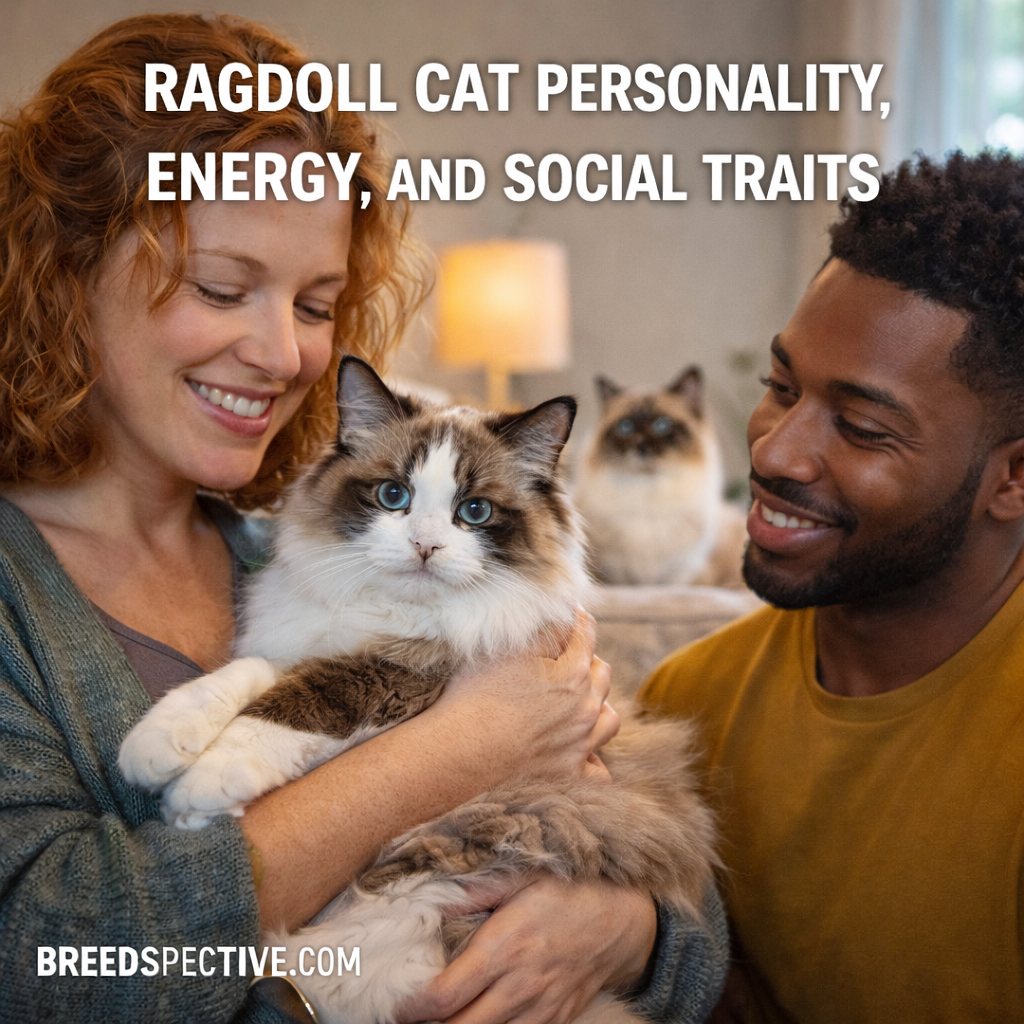
Ragdoll cat being held by people indoors, illustrating the breed’s affectionate personality, calm energy, and social nature.
A Ragdoll cat shown with people to highlight the breed’s gentle personality, low energy level, and strong social traits. breedspective.com.

Ragdoll cats are famous for their calm nature, affectionate temperament, and people-focused personality. Often described as “dog-like,” Ragdolls tend to follow their owners from room to room, seek out companionship, and relax comfortably in human arms. However, their gentle demeanor doesn’t mean they lack personality or needs.

This guide explores the Ragdoll cat’s personality, energy level, and social traits to help you decide whether this breed fits your lifestyle and expectations.

Continue reading “Ragdoll Cat Personality, Energy, and Social Traits”

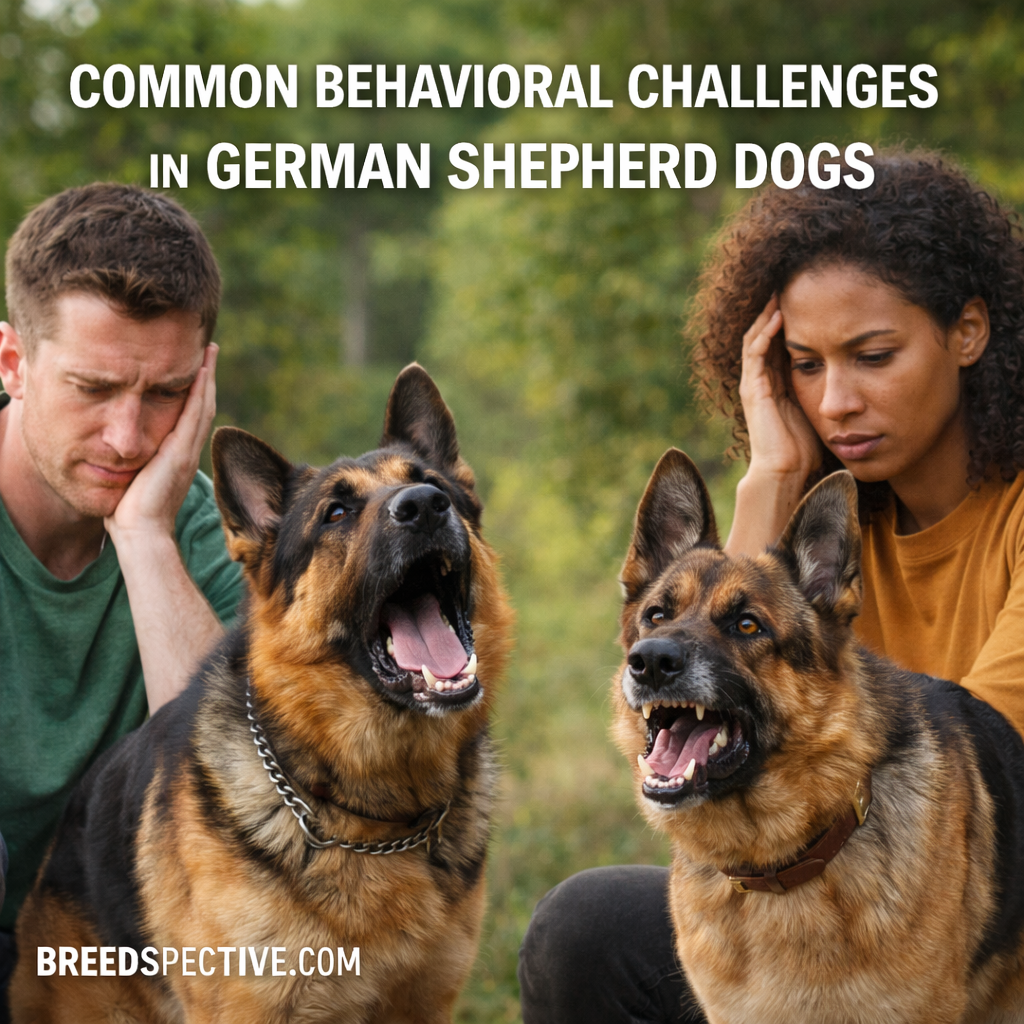
Common Behavioral Challenges in German Shepherd Dogs

German Shepherd dogs showing behavioral challenges with concerned owners nearby, representing common training and behavior issues.
German Shepherds displaying behavioral challenges alongside owners, highlighting common training and behavior concerns. breedspective.com.

German Shepherds are intelligent, loyal, and highly capable dogs—but they are not behaviorally “easy.” Many of the challenges owners experience are not flaws in the breed, but predictable outcomes of unmet needs, inconsistent training, or misunderstanding the breed’s working background.

This article covers the most common behavioral challenges in German Shepherd dogs, why they occur, and how owners can manage or prevent them effectively.

Continue reading “Common Behavioral Challenges in German Shepherd Dogs”

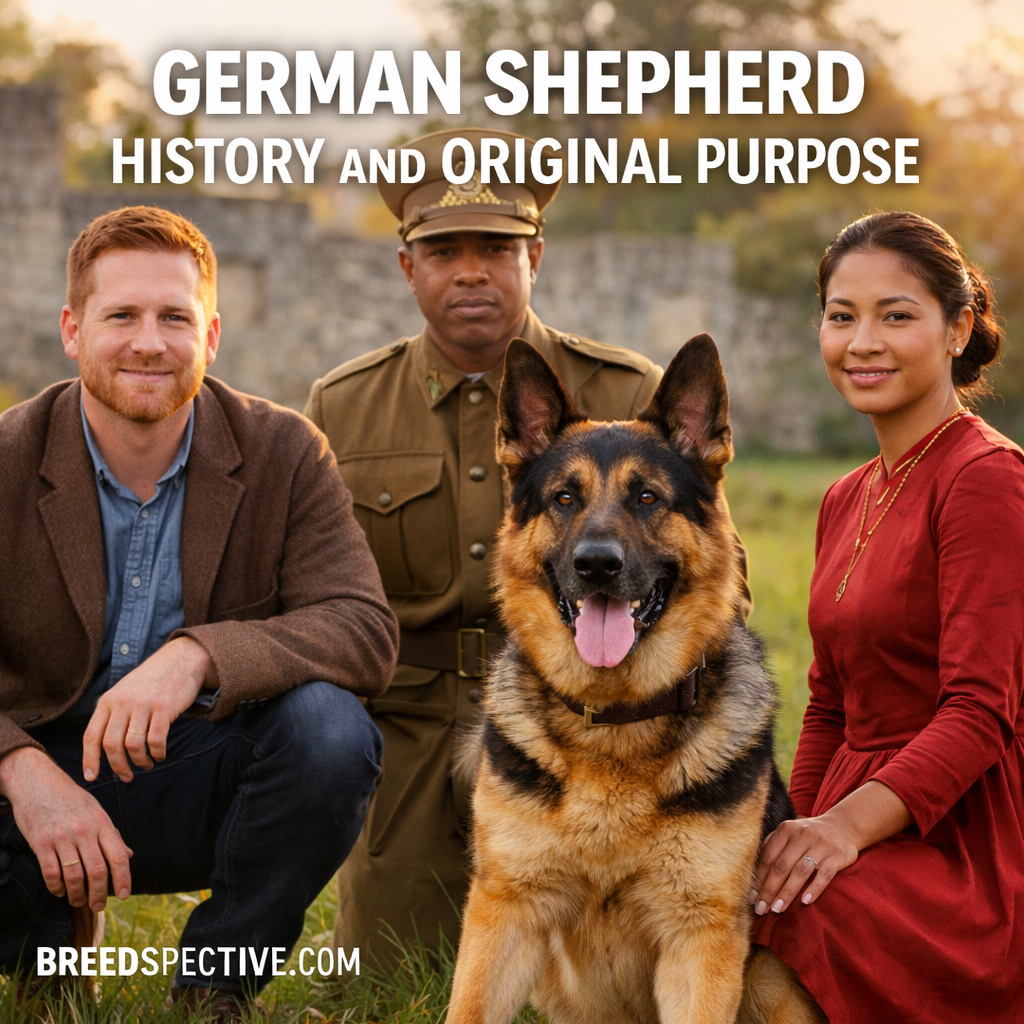
German Shepherd History and Original Purpose

German Shepherd sitting with people in a historical setting, representing the breed’s history and original working purpose.
A German Shepherd shown with people to reflect the breed’s historical roots and original working purpose. breedspective.com.

The German Shepherd is one of the most influential working dog breeds ever developed. Originally bred for intelligence, endurance, and utility, this breed was never intended to be purely a companion. Understanding the German Shepherd’s history explains why modern dogs of this breed are energetic, driven, loyal, and highly responsive to training.

This article explores where German Shepherds came from, why they were created, and how their original purpose still shapes their behavior today.

Continue reading “German Shepherd History and Original Purpose”

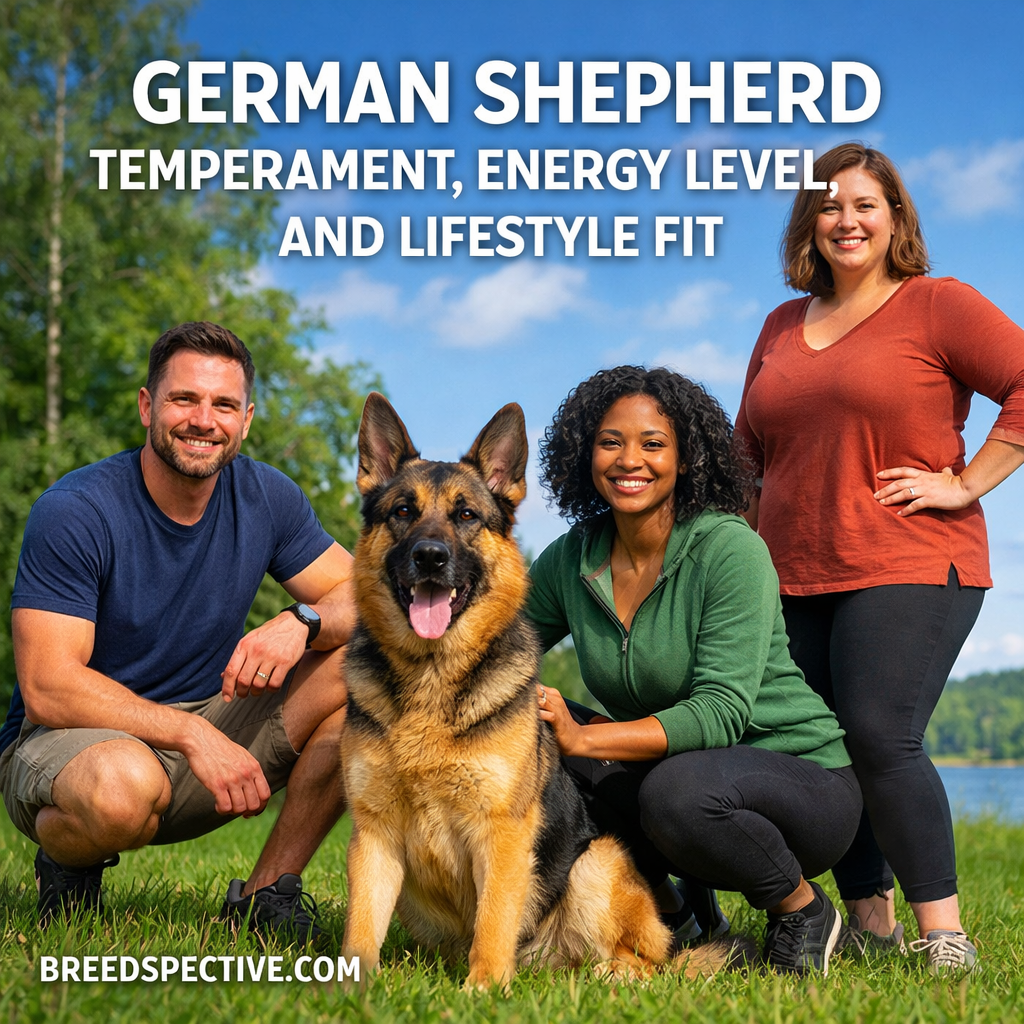
German Shepherd Temperament, Energy Level, and Lifestyle Fit

German Shepherd sitting with a diverse group of people outdoors, representing temperament, energy level, and lifestyle fit.
A German Shepherd pictured with people to illustrate temperament, energy level, and lifestyle compatibility. breedspective.com.

The German Shepherd is one of the most recognized and respected dog breeds in the world. Known for intelligence, loyalty, and versatility, this breed excels as a family companion, working dog, and protector. However, German Shepherds are not a low-maintenance or passive breed. Their temperament and energy level require commitment, structure, and an active lifestyle to truly thrive.

This guide explores German Shepherd temperament, energy needs, and lifestyle compatibility to help you decide if this breed is the right fit for your home.

Continue reading “German Shepherd Temperament, Energy Level, and Lifestyle Fit”

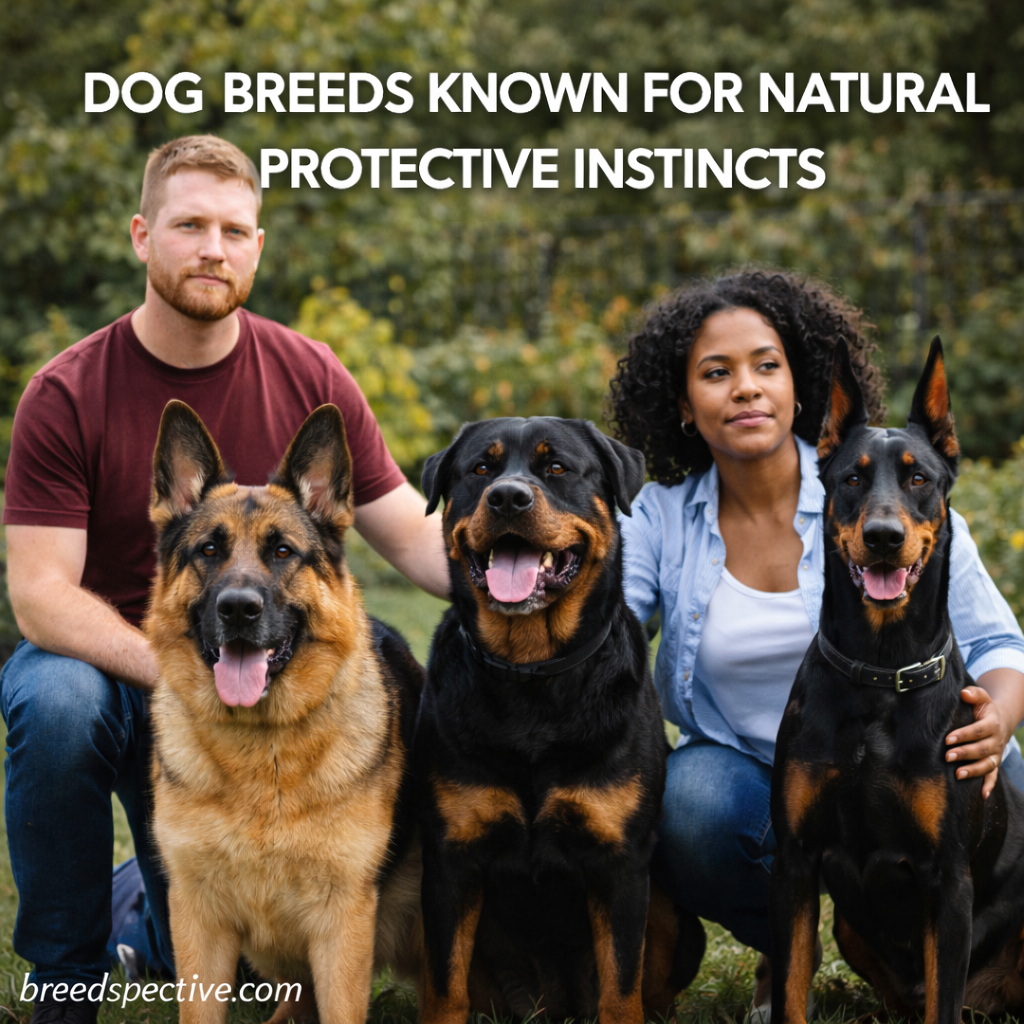
Dog Breeds Known for Natural Protective Instincts

German Shepherd, Rottweiler, and Doberman Pinscher sitting alert with their owners outdoors, illustrating dog breeds known for natural protective instincts.
Protective dog breeds pictured with their owners, highlighting loyalty, alertness, and natural guarding instincts. breedspective.com.

Some dog breeds possess strong natural protective instincts that make them especially alert, loyal, and watchful over their families. These instincts are not the same as aggression. Instead, they stem from traits such as loyalty, territorial awareness, confidence, and a deep bond with their owners.

Understanding which breeds are naturally protective — and what that protection actually looks like — helps owners choose dogs that align with their lifestyle, experience level, and expectations.

Continue reading “Dog Breeds Known for Natural Protective Instincts”

Best Dog Breeds for Families with Young Children

Young children sitting with family-friendly dog breeds including a Golden Retriever, Beagle, and mixed-breed dog, showing gentle and kid-friendly temperaments.
Family-friendly dog breeds pictured with young children, highlighting gentle temperaments and compatibility with kids. breedspective.com.

Choosing the right dog for a family with young children is about more than looks or popularity. The ideal family dog should be patient, gentle, emotionally stable, and tolerant of noise, movement, and unpredictable behavior. While every dog is an individual, certain breeds are consistently better suited to family life with kids due to their temperament and adaptability.

This guide explores the best dog breeds for families with young children and what makes them a strong match for kid-friendly households.

Continue reading “Best Dog Breeds for Families with Young Children”

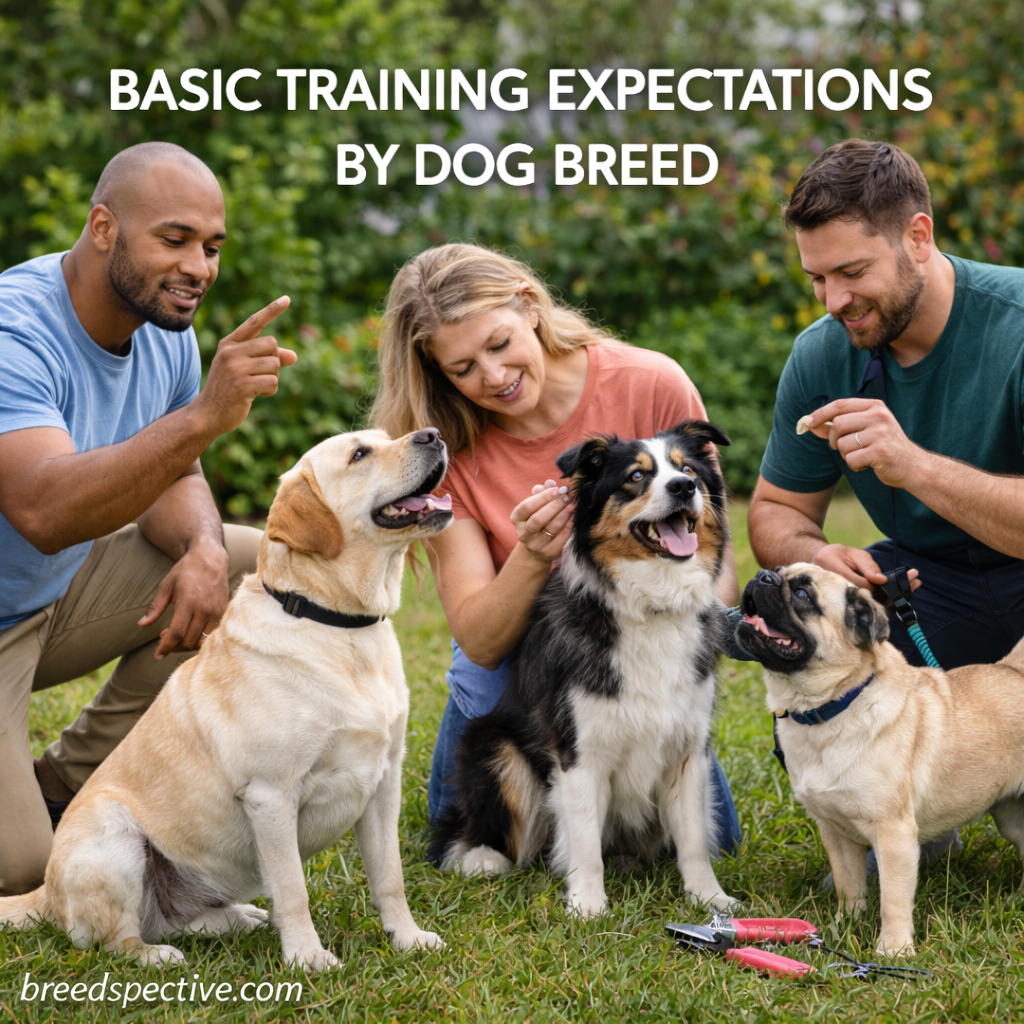
Basic Training Expectations by Dog Breed

Dogs of different breeds training with their owners outdoors, showing how training expectations vary by breed type.
Dogs from different breed groups practicing basic training with their owners, highlighting breed-specific learning styles. breedspective.com.

Every dog needs training, but not every dog learns the same way or at the same pace. Breed traits play a major role in how dogs respond to training, what motivates them, and which habits come most naturally. Understanding basic training expectations by dog breed helps owners set realistic goals and build better communication from the start.

This guide explains how breed tendencies influence training and what owners should expect when working with different types of dogs.

Continue reading “Basic Training Expectations by Dog Breed”

Grooming Needs by Dog Coat Type

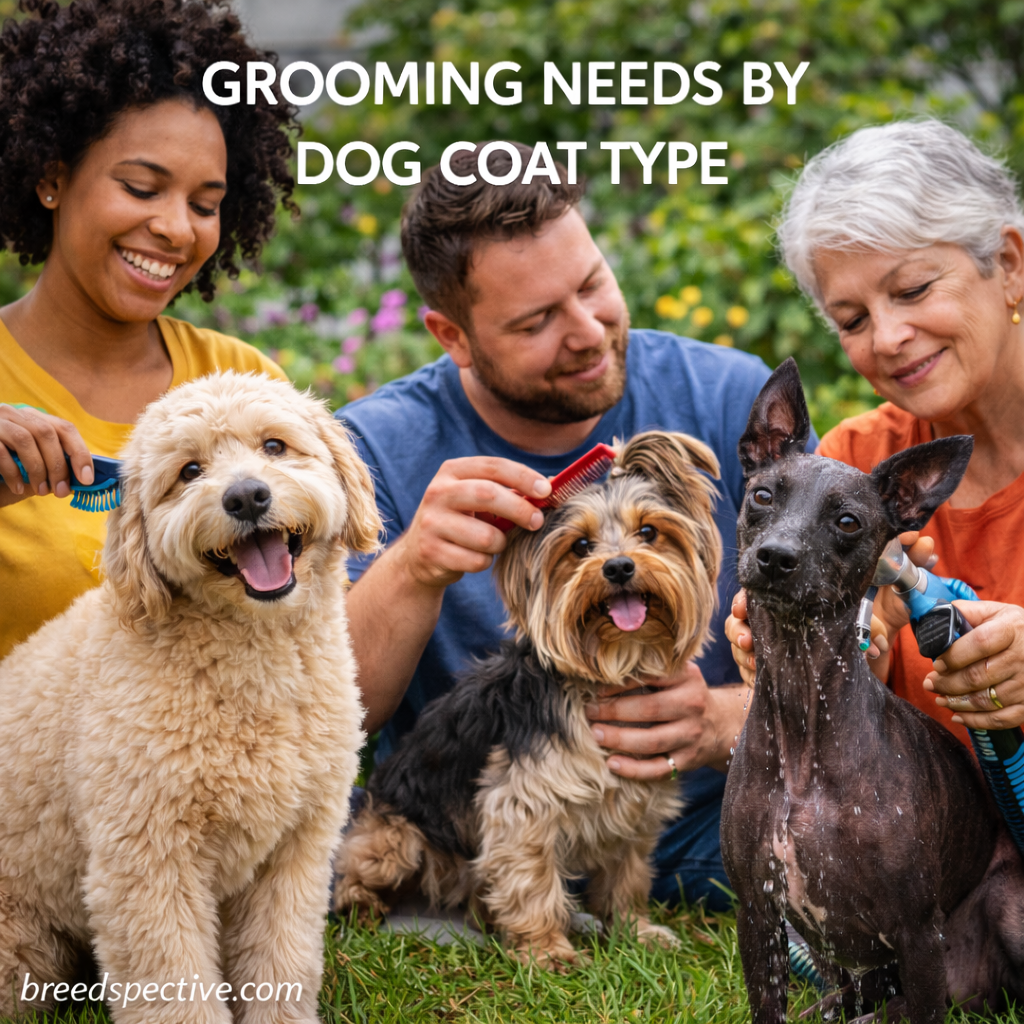
People grooming dogs with different coat types, including curly, long-haired, and hairless coats, demonstrating coat-specific grooming needs.
Dogs with different coat types being groomed, illustrating how grooming needs vary by coat structure. breedspective.com.

Not all dogs have the same grooming needs. A dog’s coat type plays a major role in how often it needs brushing, bathing, trimming, and professional grooming. Understanding coat-specific care helps owners keep their dogs comfortable, healthy, and looking their best — while avoiding common grooming mistakes.

This guide breaks down grooming needs by dog coat type so you can build the right routine for your dog’s unique coat.

Continue reading “Grooming Needs by Dog Coat Type”

Daily Care Routines for Dogs at Every Life Stage

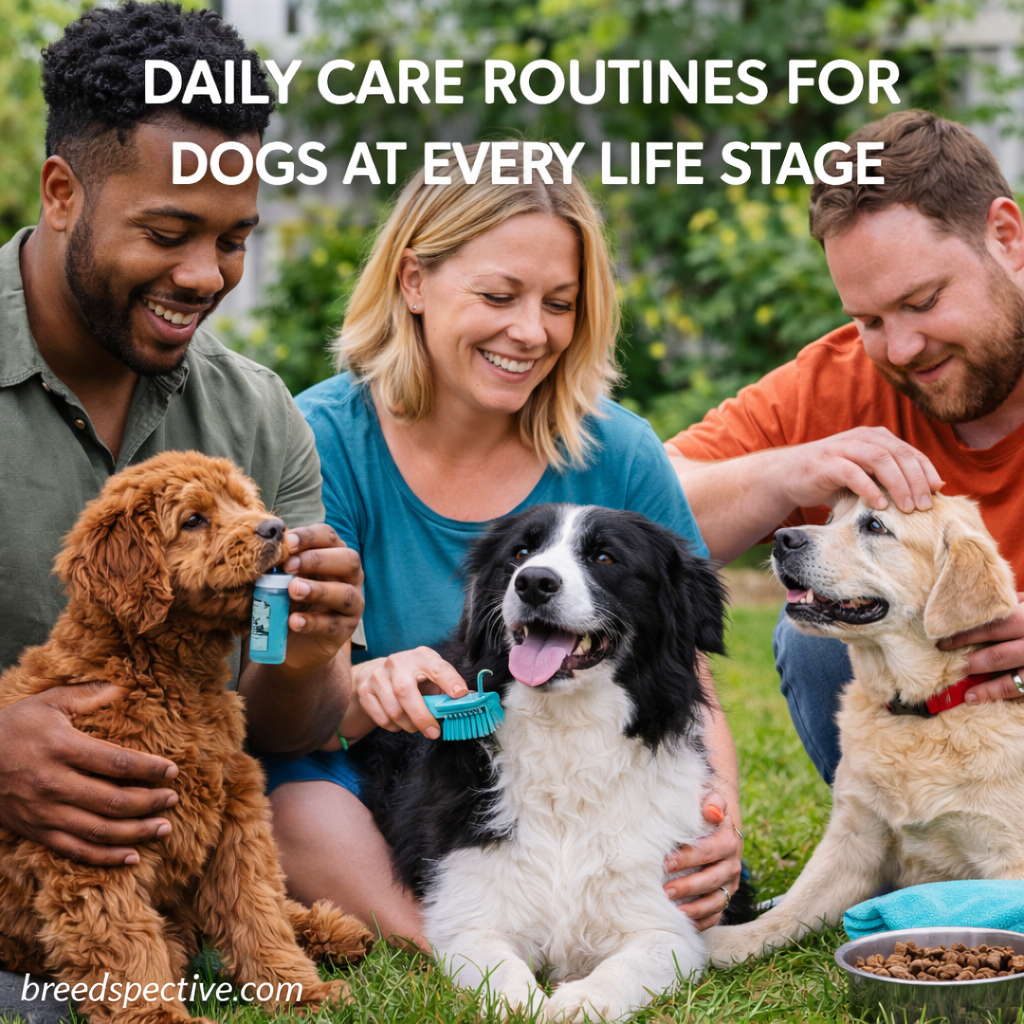
Three people caring for dogs of different ages outdoors, including a puppy, an adult dog, and a senior dog, illustrating daily care routines at every life stage.
Dogs at different life stages receiving daily care and attention, highlighting age-appropriate routines for lifelong health. breedspective.com.

Dogs require consistent daily care to stay healthy, comfortable, and emotionally balanced. While the basics of care remain similar throughout a dog’s life, routines should evolve as dogs grow from puppies into adults and eventually seniors.

Understanding how daily care needs change at each life stage helps owners provide the right level of attention, exercise, nutrition, and mental stimulation for long-term well-being.

Continue reading “Daily Care Routines for Dogs at Every Life Stage”