
Sphynx Breed History and Origins

Sphynx cat sitting with people beside it representing the modern history and origins of the Sphynx breed.

The Sphynx cat is one of the most recognizable and misunderstood cat breeds in the world. Known for its hairless appearance, wrinkled skin, and expressive personality, the breed often sparks curiosity and debate. Despite its ancient-sounding name and almost mythical look, the Sphynx is a modern breed with well-documented origins rooted in genetics rather than antiquity.

This article explores the true history of the Sphynx cat, how the breed developed, and how it became a globally recognized companion.

Continue reading “Sphynx Breed History and Origins”
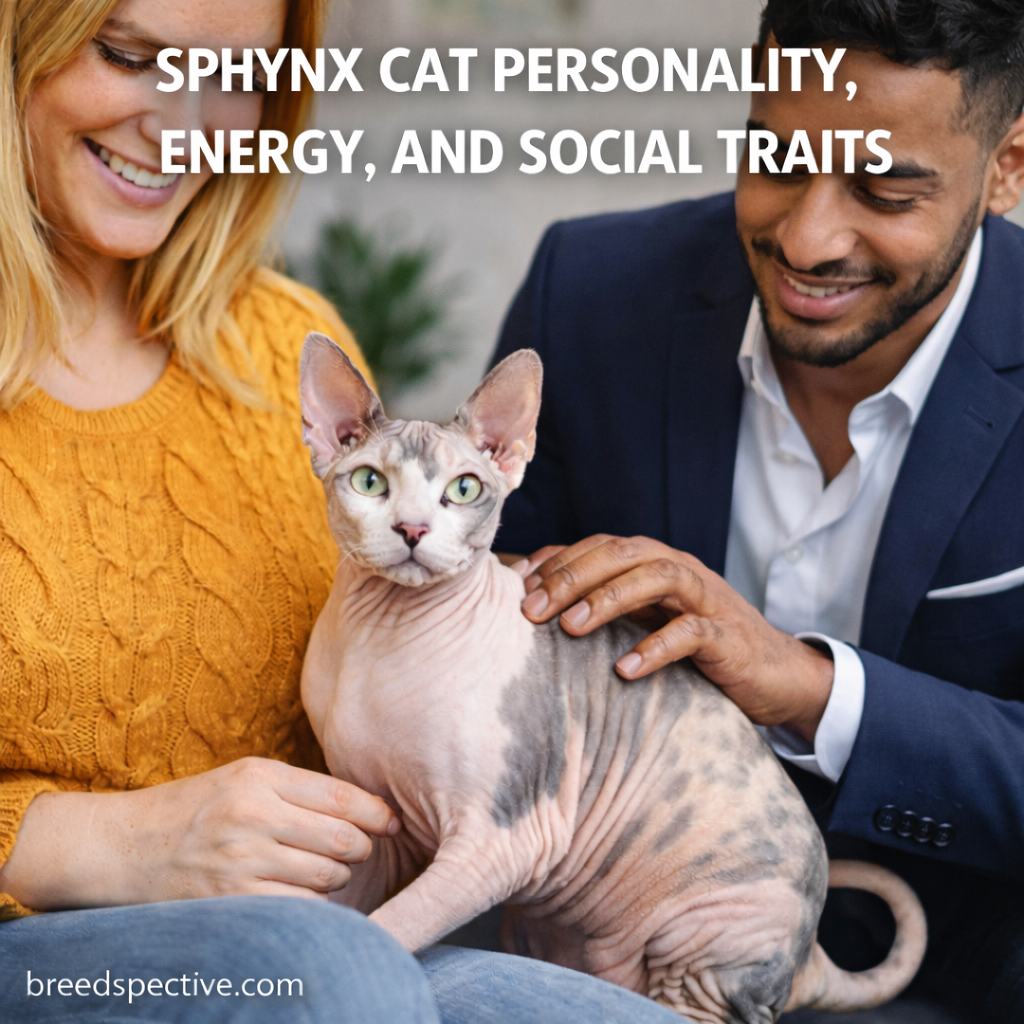

Sphynx Cat Personality, Energy, and Social Traits

Sphynx cat sitting with owners, showing the breed’s affectionate personality, energy, and social behavior.
A Sphynx cat interacting with people, highlighting the breed’s affectionate, energetic, and highly social traits. breedspective.com.

The Sphynx cat is one of the most recognizable cat breeds in the world—not because of fur, but because of its bold personality and unmistakable presence. Known for their hairless appearance, Sphynx cats are equally notable for their affectionate nature, high energy, and strong desire for human companionship.

This guide explores Sphynx cat personality traits, energy levels, and social behavior to help you understand what life with this unique breed is really like.

Continue reading “Sphynx Cat Personality, Energy, and Social Traits”

Common Behavioral Challenges in Beagle Dogs

Beagle barking on a leash with owners nearby, illustrating common behavioral challenges such as vocalization and distraction.
A Beagle displaying vocal behavior with owners present, highlighting common behavioral challenges in the breed. breedspective.com.

Beagles are lovable, curious, and full of personality—but they also come with a unique set of behavioral challenges. Bred as scent hounds, Beagles are driven by their noses and pack instincts, which can sometimes clash with modern household expectations. Understanding these common behavior issues helps owners respond with patience, structure, and effective training.

This guide explores the most common behavioral challenges in Beagle dogs and explains why they occur—along with practical ways to manage them.

Continue reading “Common Behavioral Challenges in Beagle Dogs”

Beagle History and Original Purpose

Beagle dogs with people outdoors, representing the breed’s history and original purpose as scent hounds.
Beagle dogs pictured outdoors with people, reflecting the breed’s historical role as skilled scent hounds. breedspective.com.

The Beagle is one of the oldest and most recognizable scent hounds in the world. Known today for its friendly personality and family-friendly nature, the breed’s origins are deeply rooted in hunting and pack work. Understanding the Beagle’s history and original purpose helps explain its strong nose, energetic temperament, and love of exploration.

This article explores where Beagles came from, how they were used historically, and how their working roots still influence modern Beagles today.

Continue reading “Beagle History and Original Purpose”

Beagle Temperament, Energy Level, and Lifestyle Fit

Beagle dog with owners outdoors, showing the breed’s friendly temperament and active lifestyle needs.
A Beagle interacting with owners outdoors, highlighting the breed’s social temperament and energetic nature. breedspective.com.

Beagles are one of the most recognizable dog breeds, known for their expressive faces, keen noses, and cheerful personalities. Originally bred as scent hounds, Beagles combine friendliness with curiosity and a strong desire to explore. Understanding their temperament and energy level is essential for deciding whether a Beagle is the right match for your lifestyle.

This guide breaks down Beagle temperament traits, activity needs, and the types of households where they tend to thrive.

Continue reading “Beagle Temperament, Energy Level, and Lifestyle Fit”

Managing Dogs and Cats While Working From Home

Pet owners working from home with a dog and cat nearby, showing how pets adapt to home office routines.
Pet owners working from home alongside their dog and cat, illustrating balanced routines and shared living spaces. breedspective.com.

Working from home has become a long-term lifestyle for many pet owners. While sharing your day with dogs and cats can be rewarding, it also introduces unique challenges—from distractions during meetings to unmet pet needs when routines blur together.

Creating a balanced system helps pets feel secure and allows you to stay productive without guilt or constant interruptions. This guide covers practical ways to manage dogs and cats while working from home, keeping both your workflow and your pets’ well-being protected.

Continue reading “Managing Dogs and Cats While Working From Home”

Low-Energy Dog Breeds for Apartment Living

Low-energy dog breeds with owners sitting indoors, showing calm dogs suited for apartment living.
Low-energy dog breeds relaxing indoors with their owners, highlighting calm temperaments ideal for apartment living. breedspective.com.

Living in an apartment doesn’t mean you can’t enjoy life with a dog. While some breeds require constant activity and large yards, others are naturally calm, adaptable, and content with shorter walks and indoor relaxation. Choosing a low-energy dog breed that matches apartment living can lead to a happier dog and a more peaceful home.

This guide explores low-energy dog breeds that tend to thrive in apartments, along with what makes them a good fit for smaller living spaces.

Continue reading “Low-Energy Dog Breeds for Apartment Living”

Why Cats Avoid the Litter Box and How to Fix It

Cat owners observing cats near a litter box, illustrating common reasons cats avoid the litter box.
Cat owners watching their cats near a litter box, highlighting common litter box avoidance issues. breedspective.com.

When a cat stops using the litter box, it can be frustrating, confusing, and stressful for owners. Litter box avoidance is one of the most common behavior issues in cats—but it’s rarely about spite or “bad behavior.” In most cases, a cat is trying to communicate discomfort, stress, or dissatisfaction with its environment.

This article explains the most common reasons cats avoid the litter box and provides practical, humane solutions to fix the problem.

Continue reading “Why Cats Avoid the Litter Box and How to Fix It”

Creating Healthy Daily Routines for Pets

Pet owners interacting with a dog and cat, showing daily routines that support feeding, grooming, and play.
Pet owners engaging in grooming and play with their pets, illustrating healthy daily routines that support overall well-being. breedspective.com.

Healthy daily routines are the foundation of a happy, well-adjusted pet. Consistent schedules help pets feel secure, reduce stress-related behaviors, and support long-term physical and emotional health. Whether you care for a dog, cat, or small companion animal, building predictable daily habits can dramatically improve quality of life.

This guide explains how to create balanced, healthy daily routines for pets that support nutrition, exercise, mental stimulation, and rest.

Continue reading “Creating Healthy Daily Routines for Pets”

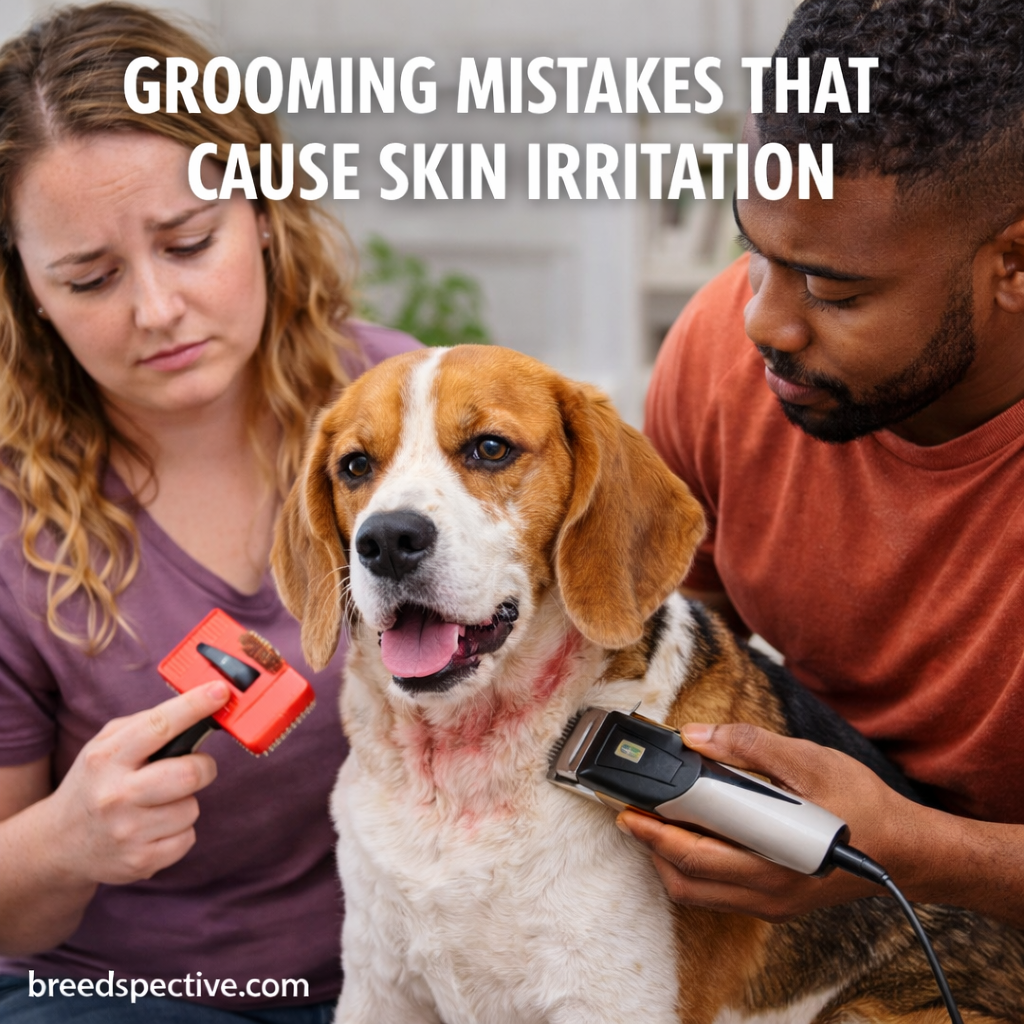
Grooming Mistakes That Cause Skin Irritation

Dog experiencing skin irritation during improper grooming, illustrating common grooming mistakes that cause discomfort.
A dog showing skin irritation during grooming, highlighting common mistakes that can harm skin health. breedspective.com.

Grooming plays a major role in keeping a pet’s coat healthy and comfortable—but when done incorrectly, it can lead to skin irritation, itching, and long-term discomfort. Many grooming-related skin issues are caused not by neglect, but by well-meaning mistakes made during routine care.

This guide breaks down the most common grooming mistakes that cause skin irritation and explains how to avoid them for healthier skin and a happier pet.

Continue reading “Grooming Mistakes That Cause Skin Irritation”