

Healthy daily routines are the foundation of a happy, well-adjusted pet. Consistent schedules help pets feel secure, reduce stress-related behaviors, and support long-term physical and emotional health. Whether you care for a dog, cat, or small companion animal, building predictable daily habits can dramatically improve quality of life.
This guide explains how to create balanced, healthy daily routines for pets that support nutrition, exercise, mental stimulation, and rest.
Why Daily Routines Matter for Pets
Pets thrive on consistency. Knowing what to expect each day helps regulate their internal rhythms and reduces anxiety.
Benefits of structured routines include:
- Improved behavior and reduced stress
- Better digestion and appetite regulation
- Stronger human–animal bonds
- Easier training and communication
A predictable routine creates a sense of safety and stability.
Morning Routines That Set the Tone
How the day begins often influences your pet’s mood and energy levels.
Healthy morning habits include:
- Feeding at the same time each day
- Morning potty breaks or litter box access
- Light physical activity or play
- Calm interaction rather than rushed handling
Starting the day calmly helps pets remain relaxed and focused.
Consistent Feeding Schedules
Regular feeding times support digestive health and prevent overeating or food anxiety.
Feeding routine tips:
- Serve meals at consistent times daily
- Measure portions accurately
- Avoid excessive treats between meals
- Provide fresh water at all times
Consistency helps pets feel secure and supports healthy metabolism.
Daily Exercise and Movement
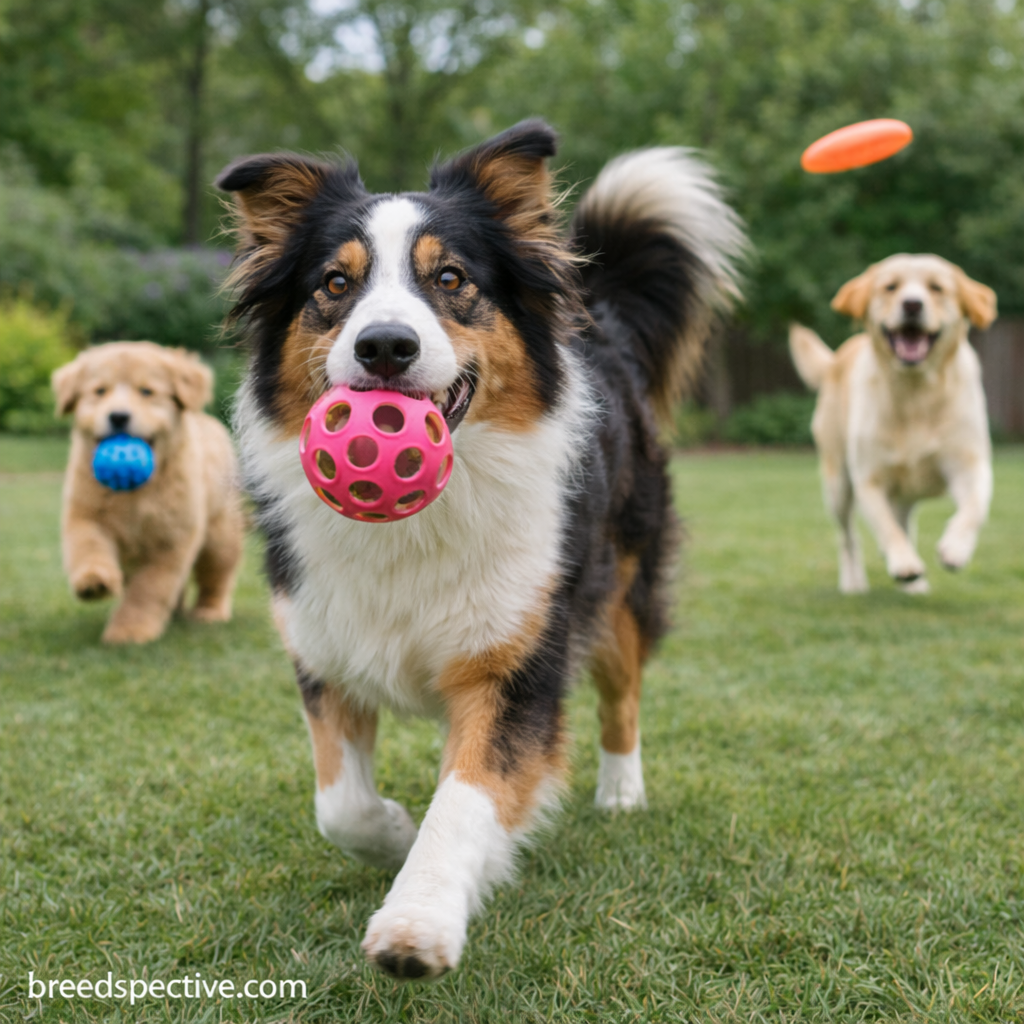
Exercise is essential for physical health and mental balance. The amount and type of activity depend on species, breed, age, and health.
Healthy activity habits include:
- Daily walks or active play sessions
- Opportunities for climbing, running, or exploring
- Age-appropriate exercise intensity
Even short, consistent activity is better than irregular high-intensity sessions.
Mental Stimulation and Enrichment
Mental engagement is just as important as physical movement.
Simple enrichment ideas:
- Puzzle feeders or treat toys
- Rotating toys to prevent boredom
- Training sessions or trick learning
- Environmental variety such as window views or scent games
Mental stimulation prevents destructive behaviors and promotes confidence.
Grooming and Hygiene as Part of the Routine
Incorporating grooming into daily or weekly routines makes it less stressful over time.
Routine care may include:
- Quick coat checks or brushing
- Nail inspections
- Ear and eye checks
- Litter box or habitat cleaning
Short, frequent care sessions are easier than infrequent, long ones.
Rest and Sleep Schedules
Adequate rest is critical for immune function and emotional regulation.
Healthy rest habits:
- Quiet, comfortable sleeping areas
- Consistent bedtime routines
- Minimal disruptions during rest periods
Pets that rest well are calmer, more resilient, and better behaved.
Afternoon and Evening Structure
Late-day routines help pets transition from activity to rest.
Helpful evening practices:
- Calm play or enrichment
- Evening meals at a set time
- Final bathroom breaks
- Wind-down time before sleep
Predictable evenings reduce nighttime anxiety and restlessness.
Adapting Routines as Pets Age
As pets grow older, their needs change—and routines should evolve with them.
Adjust routines by:
- Reducing activity intensity
- Increasing rest periods
- Monitoring appetite and mobility
- Scheduling more frequent health checks
Flexibility within structure keeps routines supportive, not restrictive.
Common Routine Mistakes to Avoid
Even well-meaning owners can unintentionally disrupt healthy routines.
Common pitfalls include:
- Inconsistent feeding times
- Irregular exercise schedules
- Overstimulation without rest
- Ignoring signs of stress or fatigue
Small adjustments can quickly restore balance.
Building a Routine That Works for You and Your Pet
The best routine is one you can maintain consistently.
Success tips:
- Start simple and build gradually
- Keep schedules realistic
- Observe your pet’s responses
- Adjust when necessary
Consistency matters more than perfection.
Final Thoughts
Creating healthy daily routines for pets is one of the most powerful ways to support their well-being. Predictable schedules for feeding, exercise, enrichment, grooming, and rest help pets feel secure, confident, and connected.
With thoughtful planning and consistency, daily routines become a source of comfort—strengthening the bond between you and your pet while supporting lifelong health.