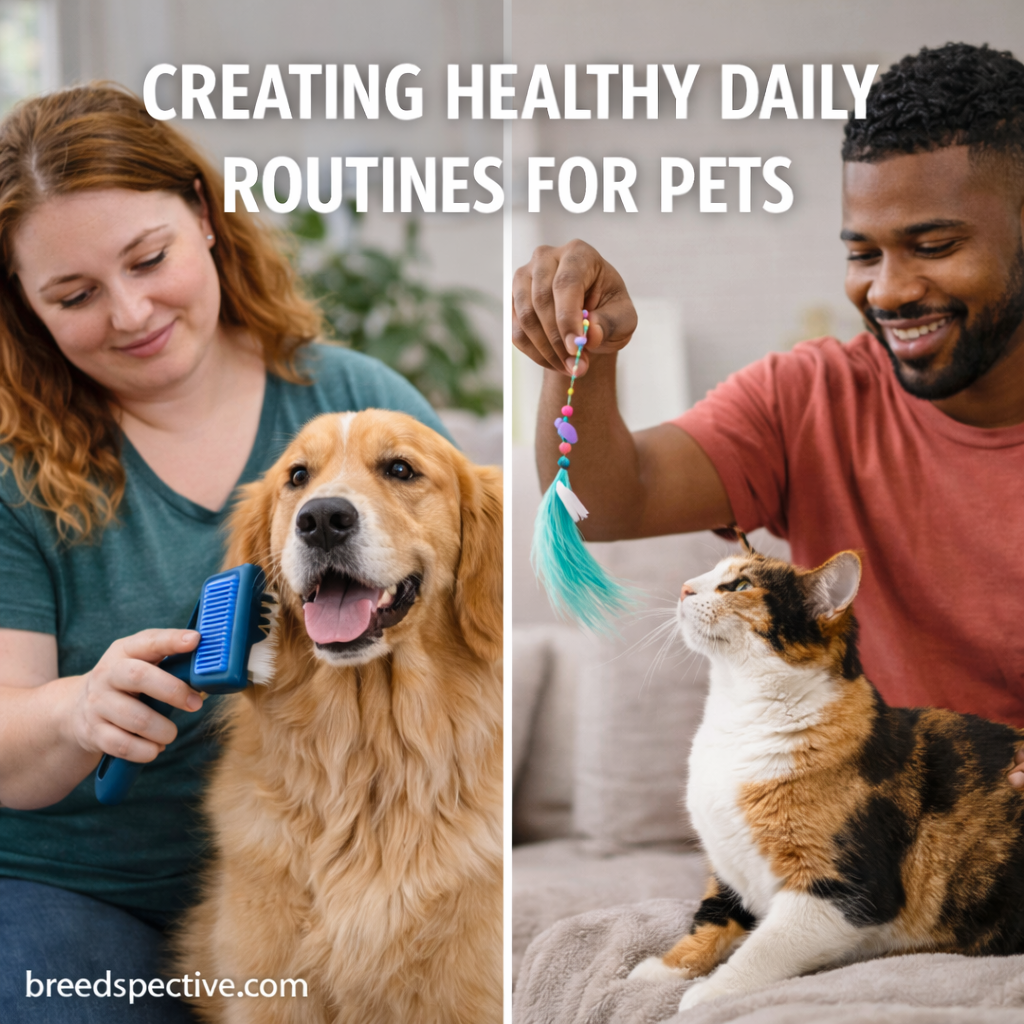

Bringing a pet home for the first time is exciting—but it also comes with a learning curve. Many first-time pet owners have the best intentions yet unknowingly make care mistakes that can affect a pet’s health, behavior, and overall well-being. Most of these issues are preventable with the right information and habits.
This article highlights the most common daily care mistakes new pet owners make and explains how to avoid them for a healthier, happier relationship with your pet.
Skipping Routine Vet Care
One of the most common mistakes is waiting until a pet appears sick before seeing a veterinarian.
Routine veterinary care helps:
- Detect health issues early
- Keep vaccinations up to date
- Monitor weight and growth
- Establish a health baseline
Many illnesses develop gradually, and early intervention often prevents costly or serious problems later.
Overfeeding or Free-Feeding
New owners often equate food with love, leading to overfeeding.
Common feeding mistakes include:
- Ignoring portion guidelines
- Offering too many treats
- Leaving food out all day
- Feeding human food regularly
Overfeeding can quickly lead to obesity, joint strain, digestive issues, and reduced lifespan.
Inconsistent Daily Routines
Pets thrive on structure, especially during their adjustment period.
Inconsistent routines can cause:
- Anxiety and confusion
- House-training setbacks
- Behavioral issues
- Sleep disruption
Establishing regular times for feeding, walks, play, and rest helps pets feel secure and confident.
Underestimating Grooming Needs
Many first-time owners assume grooming is optional or purely cosmetic.
Common grooming oversights include:
- Skipping regular brushing
- Ignoring nail trimming
- Forgetting ear and dental care
- Waiting too long between grooming sessions
Proper grooming supports skin health, comfort, and early detection of health concerns.
Not Providing Enough Mental Stimulation

Physical care alone is not enough—pets need mental engagement.
Lack of stimulation may lead to:
- Destructive behaviors
- Excessive vocalization
- Hyperactivity or lethargy
- Attention-seeking habits
Daily enrichment through toys, training, puzzles, and interaction is essential for emotional well-being.
Inconsistent Training and Boundaries
Many owners unintentionally confuse pets by allowing behaviors one day and correcting them the next.
Training mistakes often include:
- Mixed signals between family members
- Delaying training until problems arise
- Relying on punishment instead of guidance
- Expecting immediate results
Clear, consistent boundaries paired with positive reinforcement lead to faster and more reliable learning.
Misreading Pet Body Language
First-time owners may miss subtle signs of stress or discomfort.
Commonly overlooked signals include:
- Avoidance or withdrawal
- Excessive licking or grooming
- Flattened ears or stiff posture
- Changes in appetite or energy
Understanding basic body language helps prevent fear-based reactions and strengthens trust.
Leaving Pets Alone Too Much or Too Little
Both extremes can cause issues.
Potential problems include:
- Separation anxiety from constant presence
- Overdependence on owners
- Stress from prolonged isolation
Gradual independence training helps pets feel secure whether you’re home or away.
Choosing Convenience Over Quality Care
Busy schedules can tempt owners to cut corners.
Examples include:
- Skipping walks or playtime
- Rushing feeding or grooming
- Ignoring early behavior changes
Small daily efforts make a significant difference in long-term health and behavior.
Not Pet-Proofing the Home
New owners often overlook household hazards.
Common dangers include:
- Toxic foods or plants
- Loose cords and small objects
- Open windows or balconies
- Accessible trash or cleaning products
Pet-proofing creates a safer environment and prevents emergencies.
Expecting Human Behavior From Pets
Pets do not think or communicate like humans, yet expectations are often human-centered.
This can lead to:
- Frustration during training
- Misinterpreting normal behaviors
- Unfair punishment
Learning species-specific needs and instincts leads to more realistic expectations and better care decisions.
How to Build Better Daily Care Habits
Avoiding common mistakes starts with awareness and consistency.
Helpful habits include:
- Following a predictable daily routine
- Tracking food, weight, and health changes
- Scheduling routine vet visits
- Learning basic training and communication cues
Small improvements compound into better lifelong care.
Final Thoughts on First-Time Pet Care Mistakes
Every pet owner learns through experience, but avoiding common mistakes early can dramatically improve a pet’s quality of life. Daily care is not about perfection—it’s about consistency, patience, and understanding your pet’s needs as they grow.
By recognizing and correcting these common missteps, first-time pet owners can build a strong foundation for a healthy, trusting, and rewarding relationship with their pet.