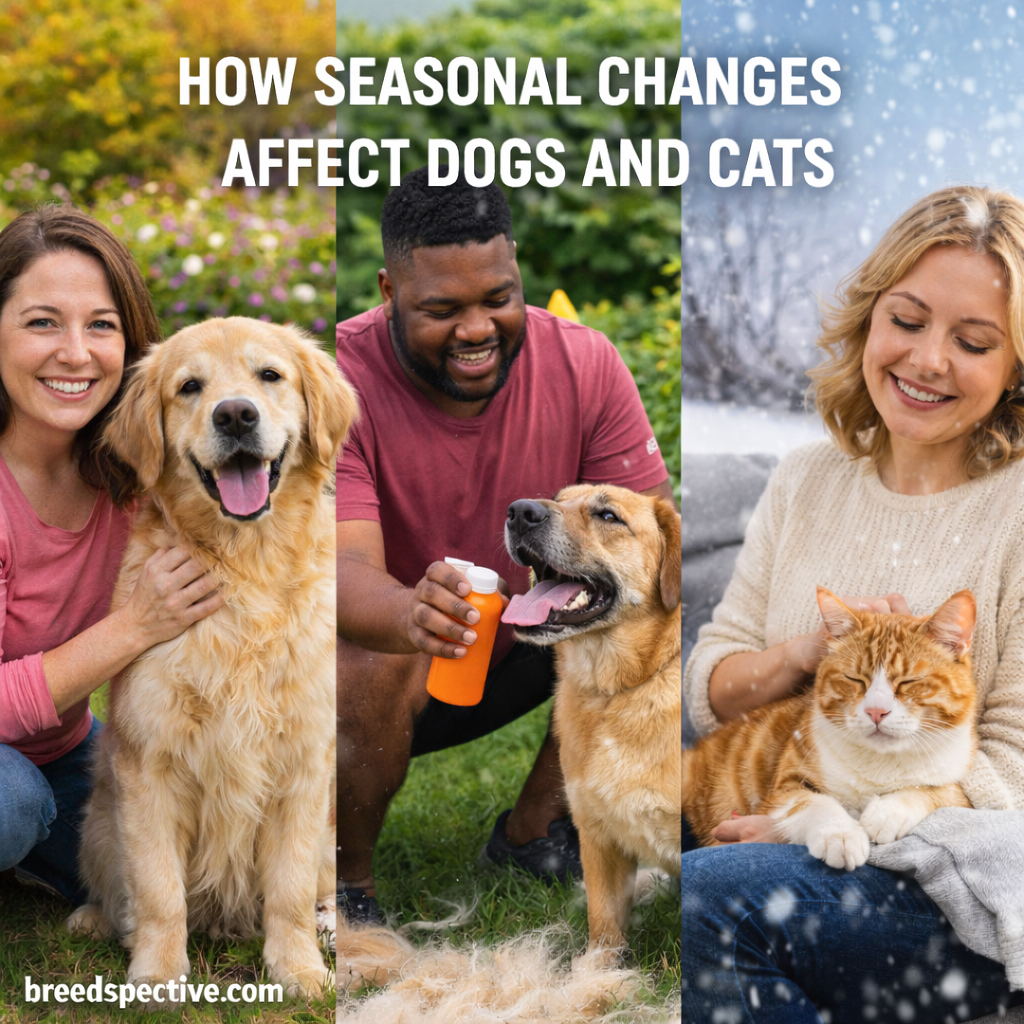
Seasonal changes influence more than just the weather—they affect your dog’s and cat’s behavior, health, grooming needs, and daily routines. Shifts in temperature, daylight, and environment can impact everything from energy levels to coat condition and appetite.
Understanding how each season affects pets allows owners to adjust care routines and support their animals’ well-being throughout the year.
How Daylight and Temperature Influence Pets
Dogs and cats respond strongly to changes in daylight, which helps regulate internal biological rhythms.
As daylight hours increase or decrease, hormone levels shift, affecting behavior and physical processes such as coat growth and sleep patterns.
Common Effects of Seasonal Light Changes
- Altered sleep cycles
- Changes in activity levels
- Shifts in appetite
- Variations in coat growth and shedding
Indoor pets may experience these changes more subtly, but they are still influenced by seasonal light patterns.
Spring: Increased Energy and Shedding
Spring brings longer days and warmer temperatures, often triggering noticeable changes in pets.
Typical Spring Changes
- Increased energy and playfulness
- Heavy shedding as winter coats are released
- Greater interest in outdoor sights and smells
- Increased grooming needs
Spring is an ideal time to increase brushing frequency and outdoor exercise.
Summer: Heat Management and Hydration
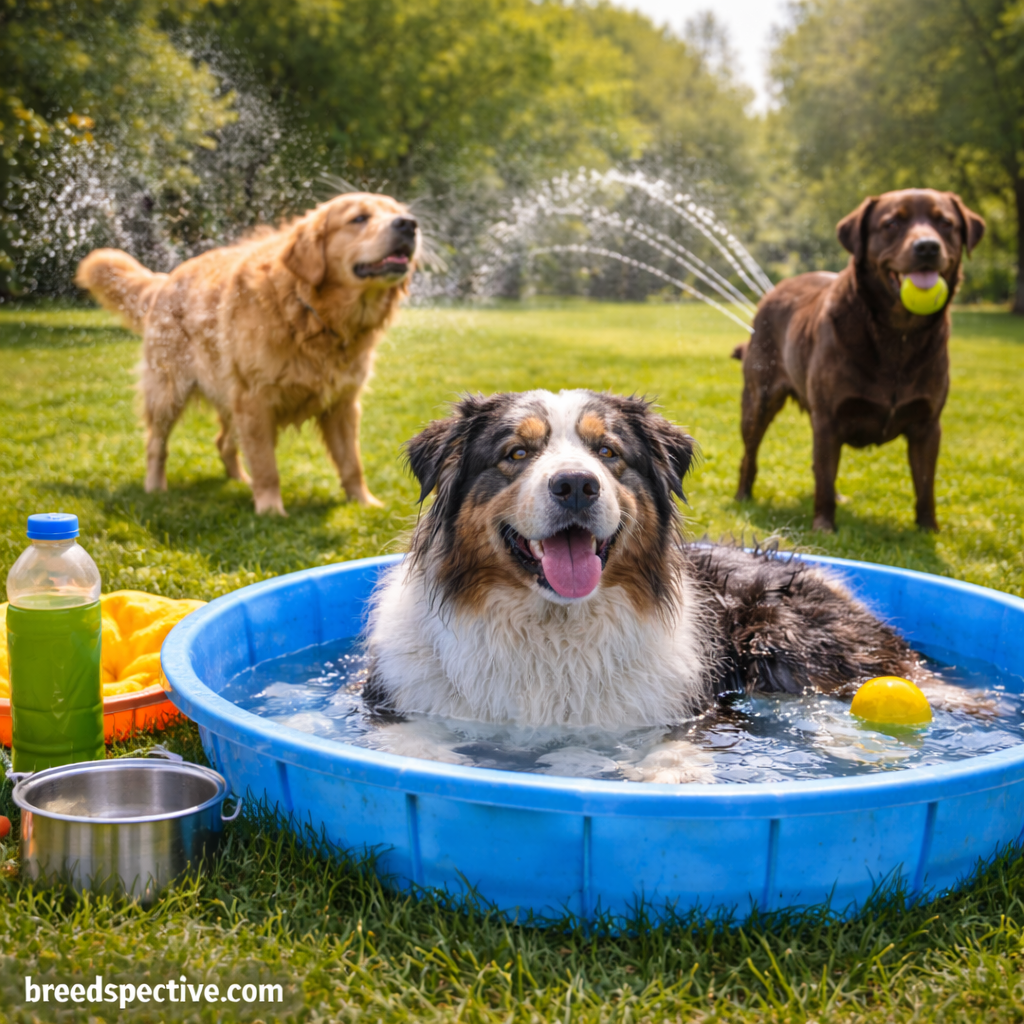
Summer can be challenging, especially for pets with thick coats or flat faces.
Common Summer Effects
- Reduced activity during peak heat
- Increased water consumption
- Risk of overheating or heat exhaustion
- Changes in appetite
Pet owners should prioritize hydration, shade, and cooler activity times during summer months.
Fall: Coat Growth and Behavioral Shifts
As daylight shortens, dogs and cats begin preparing for colder months.
Typical Fall Changes
- Slower energy levels
- Development of thicker coats
- Moderate shedding as coats transition
- Increased food intake in some pets
Fall is a good time to establish routines that will carry into winter.
Winter: Comfort, Warmth, and Routine Adjustments
Cold weather affects pets differently depending on breed, age, and coat type.
Winter-Related Changes
- Reduced outdoor activity
- Dry skin from indoor heating
- Stiffer joints in older pets
- Increased desire for warm resting areas
Maintaining warmth and consistent routines helps pets stay comfortable during winter.
Seasonal Changes in Appetite and Weight
Seasonal shifts can influence how much pets eat and how active they are.
Appetite and Weight Trends
- Increased appetite in fall and winter
- Decreased appetite during hot weather
- Weight gain if activity drops
- Weight loss if calories are not adjusted properly
Monitoring food intake and body condition helps prevent seasonal weight issues.
Grooming Needs Throughout the Year
Grooming requirements fluctuate with the seasons.
Seasonal Grooming Considerations
- More frequent brushing in spring and fall
- Lighter grooming during summer for short-coated pets
- Moisturizing skin care in winter
- Regular nail trims year-round
Adapting grooming routines reduces discomfort and skin issues.
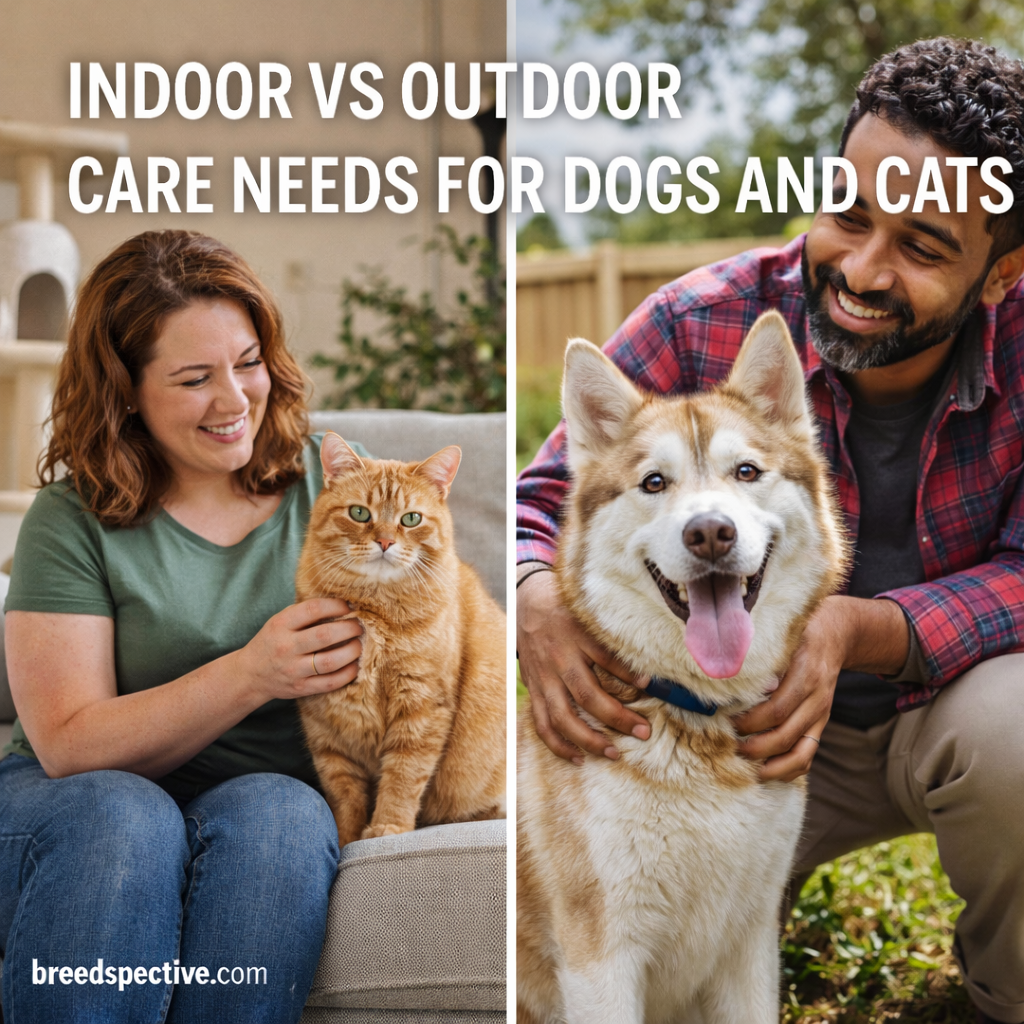
Indoor vs Outdoor Lifestyle Differences
Where pets spend most of their time affects how they respond to seasonal changes.
Key Differences
- Indoor pets may shed year-round
- Outdoor pets experience stronger seasonal coat changes
- Indoor heating and lighting alter natural cycles
- Outdoor pets need weather-appropriate shelter
Understanding your pet’s lifestyle helps tailor daily care routines.
When Seasonal Changes Require Extra Attention
Some pets are more sensitive to seasonal shifts.
Pets That May Need Extra Support
- Senior dogs and cats
- Pets with arthritis or allergies
- Flat-faced breeds
- Pets with anxiety or medical conditions
In these cases, small seasonal adjustments can make a significant difference.
Supporting Pets Through Seasonal Transitions
Consistency and observation are key when seasons change.
Helpful Care Strategies
- Maintain regular routines
- Adjust exercise times based on temperature
- Increase grooming during coat transitions
- Provide environmental enrichment year-round
These adjustments help pets adapt smoothly to seasonal changes.
Final Thoughts
Seasonal changes affect dogs and cats in predictable ways, influencing energy, coat health, appetite, and daily habits. By understanding these patterns and adjusting care routines accordingly, pet owners can support comfort and well-being throughout the year.
With proactive care and attention, dogs and cats can thrive in every season.