
House training is one of the first—and sometimes most challenging—steps in raising a dog. While every dog can learn proper bathroom habits, some breeds tend to take longer than others. This doesn’t mean they’re stubborn or incapable; it usually comes down to instinct, temperament, physical traits, and how they were originally bred to work.
Understanding why certain dog breeds are harder to house train helps owners set realistic expectations, choose better training strategies, and avoid frustration during the process.
Breed Purpose and Instincts Matter
Many house-training challenges are tied directly to what a breed was developed to do.
Dogs bred for:
- Independent work
- Scent tracking
- Burrowing or underground tasks
- Endurance rather than obedience
often prioritize instinct over pleasing humans. This can slow down house training because the dog is less motivated by approval alone.
For example, scent-driven breeds may become distracted during potty breaks, while independent thinkers may question routines rather than follow them automatically.
Independent vs People-Oriented Temperaments
Some breeds are naturally eager to please, while others are more self-directed.
People-oriented dogs tend to:
- Respond quickly to praise
- Seek human approval
- Follow routines more easily
Independent breeds may:
- Make decisions on their own
- Be less affected by scolding or praise
- Require stronger motivation to follow rules
This independence doesn’t mean disobedience—it simply means training must be more strategic and consistent.
Sensitivity to Routine and Environment
Dogs that thrive on structure usually house train faster. Breeds that are more adaptable or emotionally sensitive can struggle if routines are inconsistent.
Common challenges include:
- Stress-related accidents
- Difficulty generalizing potty locations
- Regression after schedule changes
- Confusion in busy households
Consistency in timing, location, and reinforcement is especially important for these dogs.
Physical Factors That Affect House Training
Some breeds face physical traits that make house training harder.
These include:
- Small bladder size
- Faster metabolism
- Higher frequency of elimination
- Difficulty holding waste for long periods
Small and toy breeds often need more frequent potty breaks, especially as puppies. Accidents are more likely when expectations don’t match physical capability.
Scent-Driven Behavior and Distractions
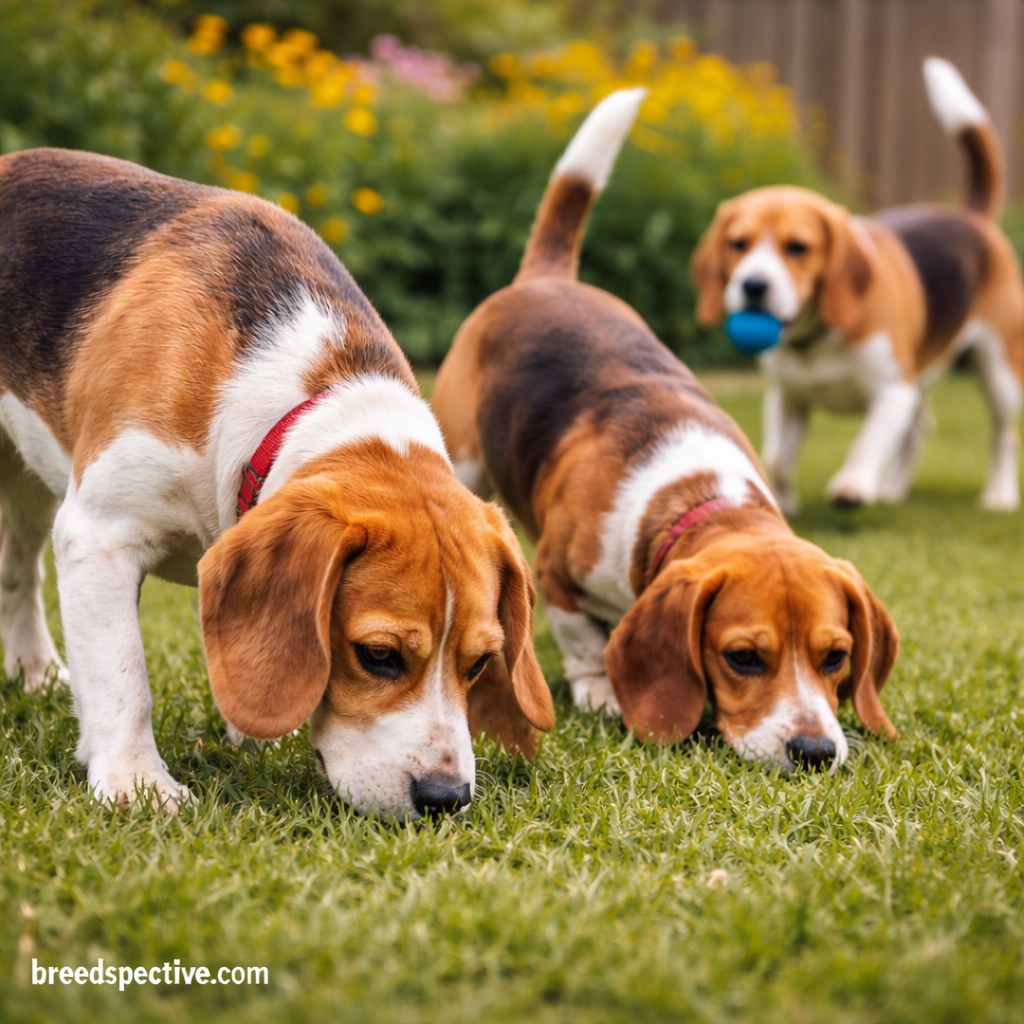
Dogs bred to follow scents may become overly focused on smells during potty time.
This can lead to:
- Forgetting to eliminate outside
- Wandering instead of finishing
- Marking behavior
- Delayed learning of “potty first, explore later”
Scent hounds often benefit from shorter, purpose-focused potty trips rather than long exploratory walks.
Examples of Breeds Commonly Considered Harder to House Train
While every dog is an individual, some breeds are frequently reported as more challenging during house training.
Commonly cited examples include:
- Beagle
- Dachshund
- Siberian Husky
These breeds are intelligent and capable—but their instincts and independence often require extra patience and structure.
Emotional Sensitivity and Stress Responses
Some dogs don’t respond well to pressure or negative reinforcement.
Emotionally sensitive breeds may:
- Shut down when corrected
- Have accidents due to anxiety
- Need gentle, positive training methods
- Take longer to build confidence
For these dogs, calm routines and reward-based training are far more effective than punishment.
Inconsistent Training Methods
House training becomes harder when:
- Multiple people follow different rules
- Potty schedules change frequently
- Accidents are punished after the fact
- Progress isn’t reinforced consistently
Dogs that already take longer to learn are especially affected by inconsistency.
Puppyhood vs Adult Dogs
Age also plays a role in perceived difficulty.
Puppies may struggle due to:
- Limited bladder control
- Incomplete understanding of routines
- Frequent need for bathroom breaks
Adult rescue dogs may:
- Have unknown past training
- Need time to adjust to new environments
- Require re-learning habits
Neither situation reflects intelligence—just learning stage and experience.
How to Successfully House Train a “Harder” Breed
Dogs that are slower to house train often succeed with the right approach.
Helpful strategies include:
- Strict, predictable schedules
- High-value rewards for success
- Short, focused potty trips
- Crate training when appropriate
- Patience and realistic expectations
Consistency over time matters far more than breed reputation.
Common Myths About Hard-to-House-Train Dogs
Myth: These dogs are stubborn
Truth: They’re often independent thinkers
Myth: They’ll never be fully house trained
Truth: Nearly all dogs can learn with consistency
Myth: Punishment works better
Truth: It often slows progress and increases anxiety
Final Thoughts
Some dog breeds are harder to house train not because they’re less intelligent, but because of how they think, what they were bred to do, and how their bodies work. Understanding these factors helps owners adapt their training approach instead of fighting natural instincts.
With patience, structure, and the right methods, even the most challenging breeds can become reliably house trained—often forming stronger bonds with their owners along the way.