
The Vizsla is a refined and athletic breed best known for its striking rust-colored coat, speed, and deep bond with humans. While modern Vizslas are often seen as affectionate companions and sporting dogs, their roots trace back centuries to a time when versatility, endurance, and loyalty were essential for survival and success in the field.
Understanding the Vizsla’s history and original purpose explains many of the breed’s defining traits, including its high energy level, sensitivity, and strong attachment to people.
Origins of the Vizsla
The Vizsla originated in Hungary, where it was developed by Magyar hunters as early as the 9th century. These early hunting dogs were prized for their ability to work closely with humans while tracking game across open plains and forests.
Key points about the Vizsla’s origins include:
- Developed in Hungary by the Magyar people
- Bred as an all-purpose hunting dog
- Valued for speed, scenting ability, and trainability
- Closely bonded to handlers during hunts
Unlike dogs bred to work independently, Vizslas were designed to stay near their owners at all times.
Original Purpose: Versatile Hunting Companion
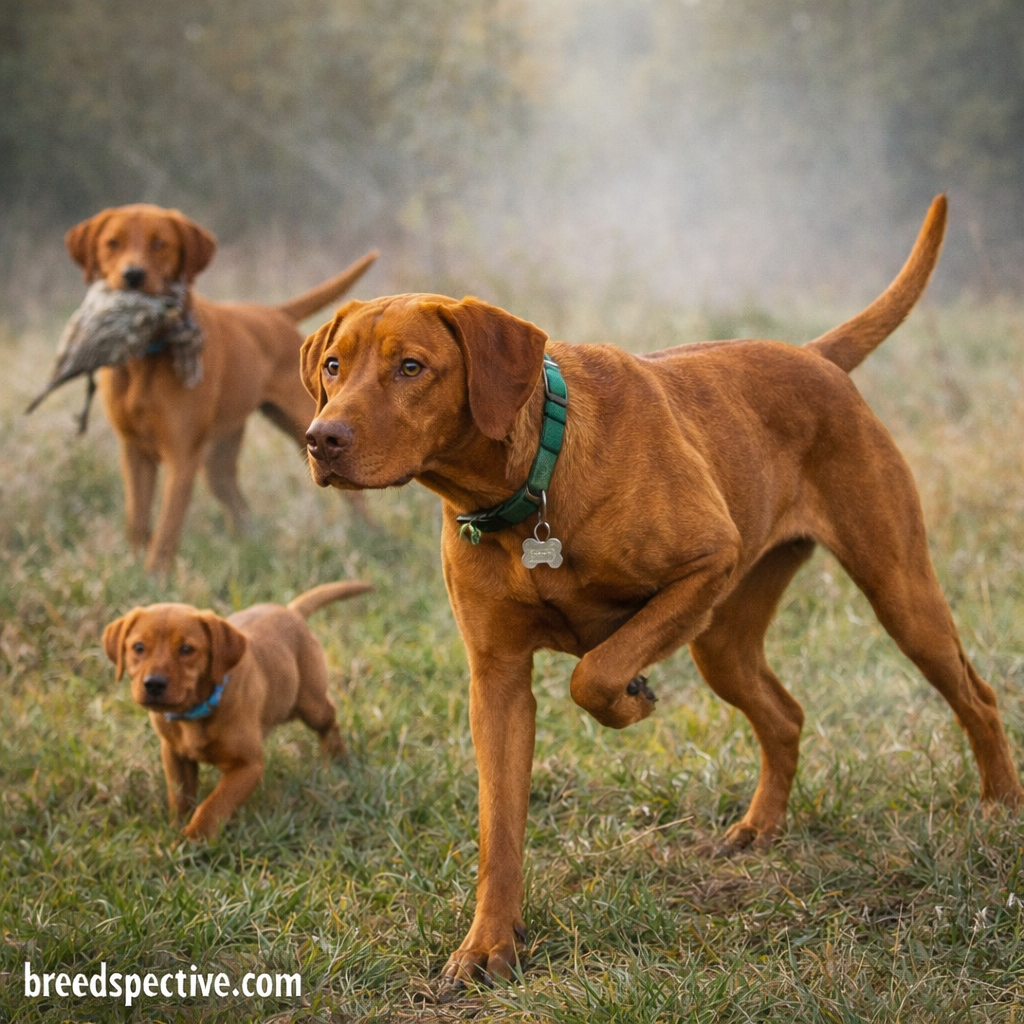
The Vizsla was bred to be a multipurpose hunting dog capable of performing several tasks efficiently.
Primary hunting roles included:
- Tracking and pointing upland game
- Retrieving birds on land and in water
- Working across varied terrain
- Maintaining close visual contact with hunters
This versatility made the Vizsla especially valuable to hunters who needed one reliable dog rather than several specialized breeds.
Physical Traits Shaped by Purpose
The Vizsla’s physical build reflects centuries of selective breeding for performance rather than appearance.
Purpose-driven traits include:
- Lean, muscular body for speed and endurance
- Long legs designed for covering open ground
- Short, smooth coat for easy maintenance in the field
- Strong nose and keen eyesight for tracking and pointing
The breed’s distinctive golden-rust coat also helped hunters spot the dog easily while working at a distance.
Relationship With Humans
One of the Vizsla’s most defining historical traits is its close working relationship with people. Hunters relied on Vizslas to remain attentive, responsive, and emotionally connected throughout long hunting days.
This history led to:
- Strong loyalty and attachment
- Desire for constant companionship
- High sensitivity to human cues
- Preference for working side-by-side rather than independently
The Vizsla’s reputation as a “velcro dog” is deeply rooted in this working partnership.
Decline and Preservation of the Breed
The Vizsla population faced serious decline during periods of political and social upheaval in Europe, particularly during World War I and World War II.
Important preservation efforts included:
- Dedicated breeders protecting bloodlines
- Exporting dogs to other countries for safekeeping
- Rebuilding the breed after wartime losses
These efforts ensured the Vizsla’s survival and future growth.
Introduction Beyond Hungary
After World War II, Vizslas were introduced to other parts of the world, including Western Europe and the United States.
Key milestones include:
- Arrival in the U.S. in the mid-20th century
- Growing popularity among hunters and active families
- Recognition by major kennel clubs
- Expansion into companion and competitive sporting roles
Despite wider distribution, the breed’s working instincts were carefully preserved.
Transition From Hunter to Companion
While modern Vizslas are less likely to be used strictly for hunting, their instincts remain strong.
Modern behaviors influenced by history include:
- High energy and stamina
- Love of outdoor activity
- Strong prey drive
- Need for mental engagement
Vizslas thrive when given structured exercise and purposeful activities that mirror their original role.
How History Influences Modern Vizslas
The Vizsla’s past explains many of its strengths and challenges today.
Owners often notice:
- Exceptional athleticism
- Emotional sensitivity
- Strong desire for closeness
- Need for daily physical and mental stimulation
Understanding the breed’s origins helps owners meet these needs more effectively.
Legacy of the Vizsla
The Vizsla’s legacy is one of partnership, precision, and performance. Bred to work in harmony with humans, the breed has retained its devotion and athletic excellence across generations.
Today’s Vizsla may spend more time as a family companion, but its heritage as a dedicated hunting dog remains deeply ingrained.
Final Thoughts on Vizsla History
The Vizsla was never meant to be a passive or independent dog. It was bred to move, think, and work closely alongside humans with focus and loyalty.
By understanding the Vizsla’s history and original purpose, owners gain valuable insight into the breed’s temperament, energy level, and lifestyle needs—making it easier to appreciate and care for this remarkable dog in the modern world.