

Samoyeds are known for their joyful expressions, fluffy white coats, and affectionate personalities. While they are loving and social companions, they also come with distinct behavioral challenges rooted in their history as hardworking Arctic dogs. Understanding these behaviors is essential for managing expectations and creating a positive, structured environment.
This article explores the most common behavioral challenges seen in Samoyed dogs, why they occur, and what owners should be prepared to handle.
High Energy and Restlessness
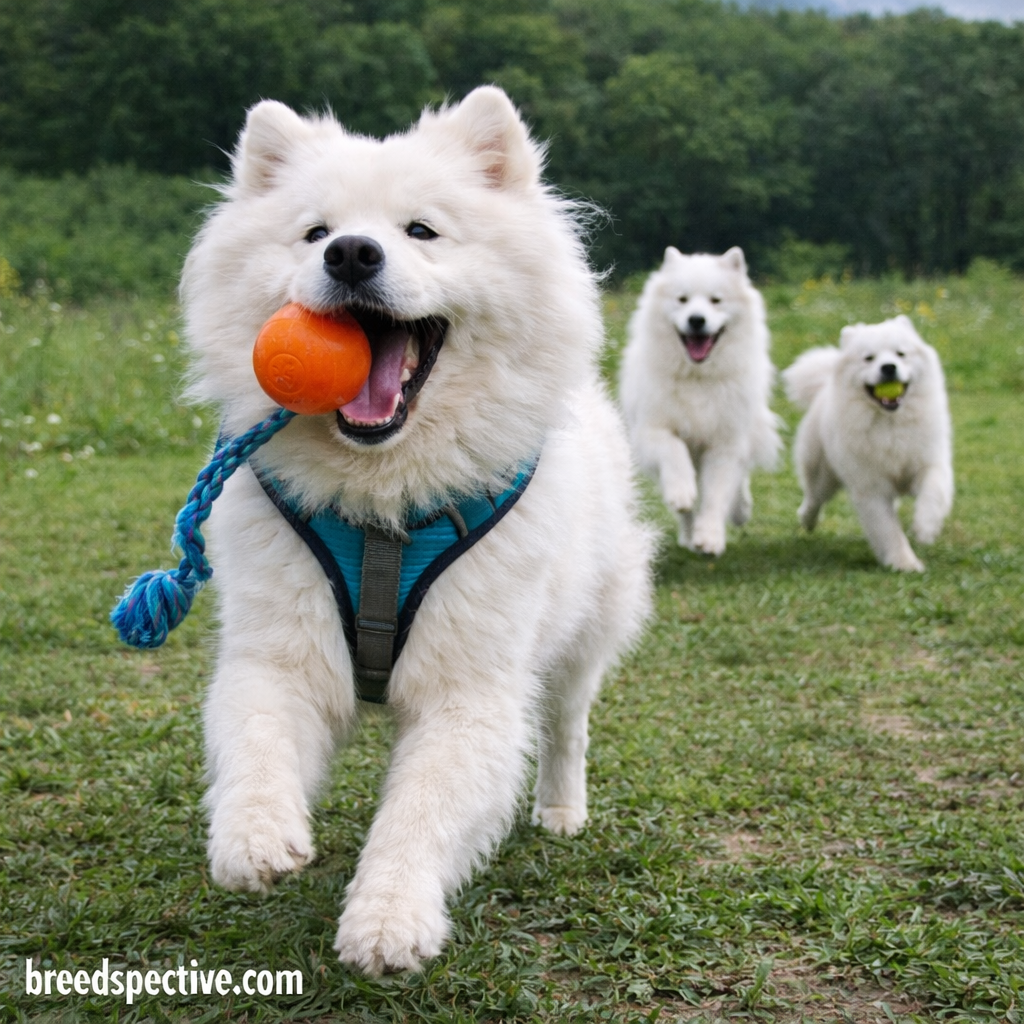
Samoyeds were bred for endurance and long hours of physical work, not inactivity. As a result, they have a naturally high energy level that can become problematic if not properly managed.
Common signs include:
- Excessive pacing or restlessness
- Destructive behavior when bored
- Difficulty settling indoors
- Constant demand for attention or play
Without sufficient daily exercise and mental stimulation, Samoyeds often find their own ways to release energy—usually in undesirable ways.
Excessive Barking and Vocalization
Samoyeds are naturally vocal dogs. Historically, vocal communication helped them work in teams and stay connected with humans in harsh environments.
Typical vocal behaviors include:
- Frequent barking to get attention
- “Talking” or whining sounds
- Howling when bored or lonely
- Alert barking at minor noises
While barking is part of the breed’s personality, it can become excessive if not addressed early through training and routine.
Separation Anxiety
Because Samoyeds were bred to live closely with people, they often struggle with being left alone for extended periods.
Signs of separation anxiety may include:
- Barking or howling when alone
- Destructive chewing or digging
- Escaping attempts
- Stress behaviors such as pacing or drooling
Samoyeds do best in homes where someone is present most of the day or where they have companionship from another dog.
Stubbornness and Selective Listening
Samoyeds are intelligent but not blindly obedient. Their working background required independent decision-making, which can be mistaken for stubbornness.
Common training challenges include:
- Ignoring commands they already understand
- Losing interest in repetitive training
- Responding only when motivated
They respond best to positive reinforcement, consistency, and training that feels engaging rather than repetitive.
Pulling on the Leash
Leash pulling is a frequent issue with Samoyeds due to their natural pulling instincts. After all, this breed was developed to pull sleds across frozen terrain.
Owners often notice:
- Strong pulling during walks
- Difficulty maintaining loose-leash walking
- Excitement spikes when outdoors
Proper leash training, harness use, and controlled outlets for pulling instincts can help manage this behavior.
Destructive Chewing and Digging
When under-stimulated or stressed, Samoyeds may resort to destructive behaviors.
Common issues include:
- Chewing furniture or household items
- Digging holes in yards
- Shredding toys excessively
These behaviors usually indicate unmet physical or mental needs rather than disobedience.
Demand for Constant Attention
Samoyeds are affectionate and social, but they can become overly demanding if boundaries are not established.
This may look like:
- Following owners everywhere
- Barking or pawing for attention
- Difficulty relaxing independently
Teaching calm behavior and encouraging independent downtime is important for long-term balance.
Sensitivity to Environment and Routine Changes
Samoyeds can be emotionally sensitive and may react strongly to changes in routine, household dynamics, or environment.
Potential reactions include:
- Increased vocalization
- Regression in training
- Anxiety-related behaviors
Maintaining predictable routines helps Samoyeds feel secure and stable.
How to Successfully Manage Samoyed Behavior
Most behavioral challenges in Samoyeds are preventable with proper structure and understanding.
Effective management strategies include:
- Daily physical exercise and mental stimulation
- Consistent training using positive reinforcement
- Early socialization
- Clear boundaries and routines
- Avoiding long periods of isolation
When their needs are met, Samoyeds are typically well-mannered, affectionate, and joyful companions.
Final Thoughts on Samoyed Behavioral Challenges
Samoyeds are not difficult dogs, but they are demanding. Their behavioral challenges stem from intelligence, energy, and a deep need for human connection—not from aggression or defiance.
For owners willing to invest time, patience, and consistency, Samoyeds reward that effort with loyalty, warmth, and a truly unique bond.