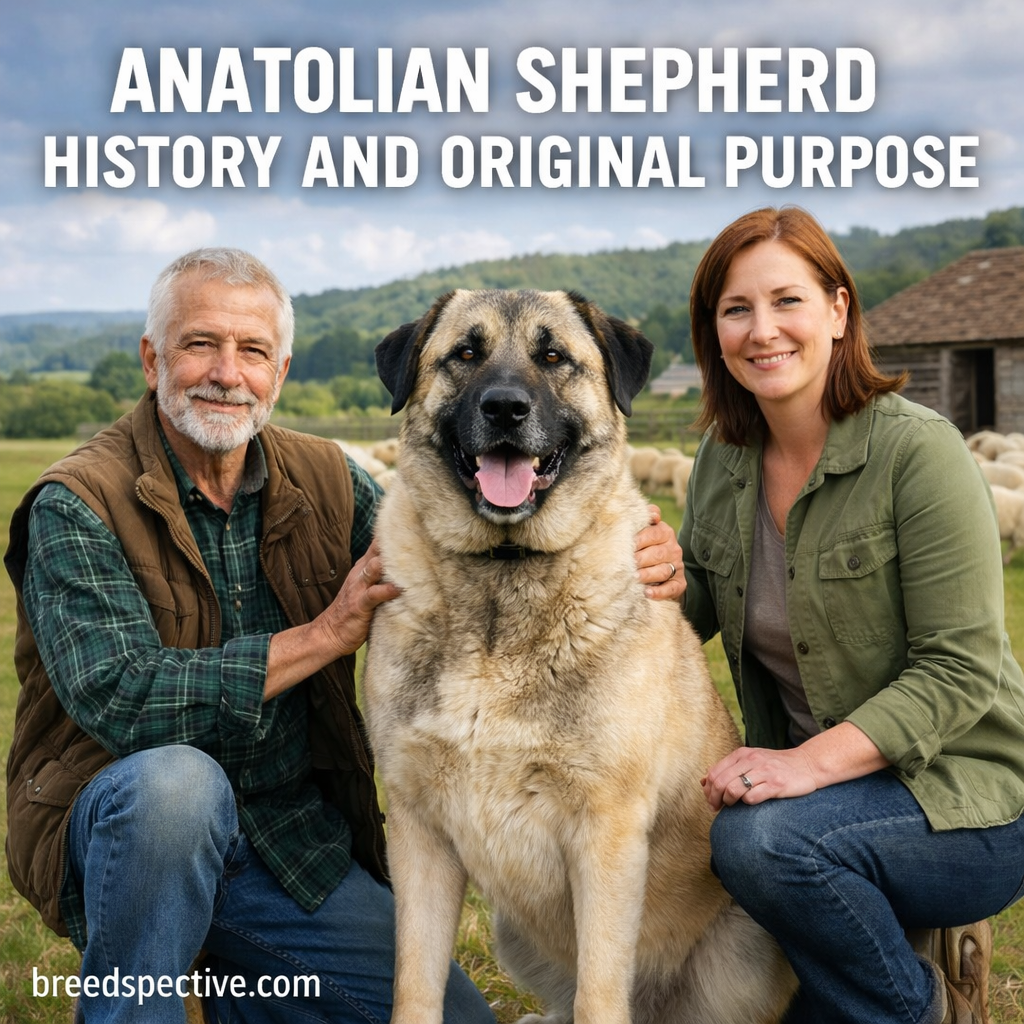
The Anatolian Shepherd is one of the oldest and most purpose-driven working dog breeds in the world. Its history is deeply tied to survival, livestock protection, and human cooperation in some of the harshest environments on Earth. Unlike many modern breeds developed for companionship or appearance, the Anatolian Shepherd was shaped almost entirely by function.
To understand this breed, it is essential to understand why it was created, what it was expected to do, and how centuries of real-world work forged its temperament and physical traits.
Ancient Origins of the Anatolian Shepherd
The Anatolian Shepherd traces its roots back thousands of years to the Anatolian Plateau, a vast and rugged region in what is now modern-day Turkey.
Early development
- Developed by shepherding cultures in ancient Anatolia
- Bred long before formal breed registries existed
- Shaped by geography, climate, and predator pressure
- Selected for working ability rather than appearance
The Anatolian Plateau is known for extreme temperatures, open landscapes, and powerful predators such as wolves, bears, and jackals. Dogs working in this region needed to be strong, independent, and resilient enough to survive without constant human care.
Rather than being a single standardized breed early on, Anatolian-type dogs were landrace guardians. This means they varied slightly in appearance depending on region, but shared the same core working traits.
Original Purpose: Livestock Guardian
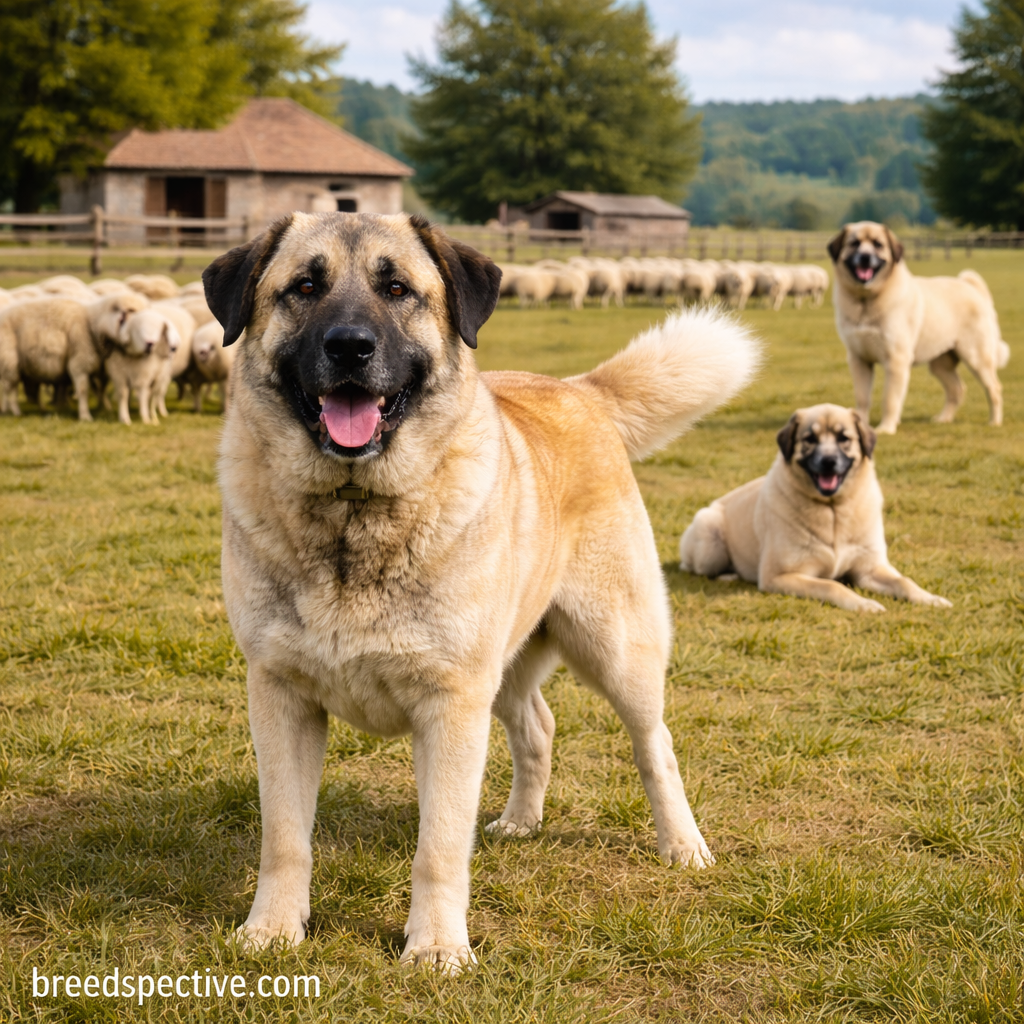
The Anatolian Shepherd was bred for one primary role: protecting livestock from predators.
What livestock guardians do
- Live full-time with sheep, goats, or cattle
- Patrol territory rather than herd animals
- Deter predators through presence and confidence
- Engage threats only when necessary
Unlike herding breeds that move livestock under human direction, Anatolian Shepherds were expected to guard independently. They stayed with the flock day and night, often miles away from their human handlers.
Their job was not to chase predators endlessly, but to prevent attacks through intimidation, alertness, and strategic positioning.
Independence as a Survival Trait
One of the defining characteristics of the Anatolian Shepherd is its independence, and this trait is directly tied to its historical role.
Why independence mattered
- Shepherds could not supervise dogs constantly
- Dogs had to assess threats on their own
- Quick decision-making was essential
- Hesitation could mean loss of livestock
Anatolian Shepherds learned to evaluate situations calmly, deciding when to bark, posture, or engage. This independence allowed them to function as autonomous guardians rather than tools requiring constant commands.
This historical necessity explains why modern Anatolian Shepherds may appear stubborn or selective in obedience. They were never meant to follow orders blindly.
Physical Traits Shaped by Function
Every physical aspect of the Anatolian Shepherd developed with purpose.
Functional physical characteristics
- Large, muscular frame for deterrence
- Thick skin and loose neck skin for protection
- Strong jaws for defense if needed
- Long legs for endurance over rough terrain
- Dense coat for hot summers and cold winters
Coloration varied depending on region, but lighter coats were common in hot climates, helping dogs regulate body temperature.
These dogs were expected to work long hours, travel great distances, and survive with minimal veterinary care, which led to exceptional durability and resilience.
Relationship With Shepherds
The bond between Anatolian Shepherds and shepherds was practical rather than sentimental.
Working relationship traits
- Mutual trust rather than constant interaction
- Dogs respected boundaries and routines
- Shepherds valued effectiveness over obedience tricks
- Dogs were judged by performance, not appearance
Anatolian Shepherds were not pampered pets. They were working partners whose success directly impacted a family’s livelihood. Dogs that failed to guard effectively were not bred, ensuring that only the most capable guardians passed on their traits.
Spread Beyond Turkey
While the Anatolian Shepherd existed for centuries in Turkey, it was relatively unknown elsewhere until the 20th century.
Global recognition
- Introduced to Europe and North America in the mid-1900s
- Valued for predator control on large farms
- Used in conservation efforts to reduce livestock loss
- Recognized by kennel clubs later than many breeds
In the United States, Anatolian Shepherds gained attention for their ability to protect sheep and goats from coyotes and wolves without constant human involvement.
They have also been used internationally to protect livestock from predators such as cheetahs, helping reduce conflict between farmers and wildlife.
Distinction From Other Guardian Breeds
Although similar to other livestock guardian dogs, the Anatolian Shepherd developed its own identity.
What sets them apart
- Leaner and more athletic than some guardians
- Greater emphasis on independence
- Highly adaptable to varied terrain
- Less reliance on group guarding behavior
Compared to some guardian breeds that work closely in packs, Anatolian Shepherds are often more solitary in their guarding style, preferring to patrol and observe rather than remain stationary.
Preservation of Working Traits
Modern Anatolian Shepherds still retain most of their original working instincts.
Traits that remain strong today
- Territorial awareness
- Natural suspicion of unfamiliar threats
- Low reactivity unless provoked
- Strong bond to property and livestock
Responsible breeders continue to prioritize working ability, temperament stability, and sound structure over exaggerated features or show-ring trends.
This preservation helps ensure that the breed remains true to its original purpose rather than becoming purely ornamental.
Modern Role of the Anatolian Shepherd
Today, the Anatolian Shepherd continues to serve as a livestock guardian while also appearing in select family homes.
Current roles
- Livestock protection on farms and ranches
- Property guardians in rural areas
- Conservation-based predator deterrence
- Companion dogs for experienced owners
However, the breed has not shifted away from its roots. Even in domestic settings, Anatolian Shepherds often display guarding behaviors shaped by thousands of years of selective breeding.
Why History Matters for Owners
Understanding the Anatolian Shepherd’s history is essential for responsible ownership.
Key takeaways
- This breed was never designed to be a typical pet
- Independence is intentional, not a flaw
- Guarding instincts are deeply ingrained
- Lifestyle compatibility matters more than aesthetics
Owners who respect the breed’s past are far more likely to succeed with an Anatolian Shepherd today.
Final Thoughts
The Anatolian Shepherd is a living example of form following function. Its history as a livestock guardian shaped every aspect of its temperament, behavior, and physical structure.
This is not a breed created for trends or convenience. It exists because it worked—and continues to work—exceptionally well in its original role. Anyone considering an Anatolian Shepherd should view it not just as a dog, but as a centuries-old guardian with instincts that deserve respect, understanding, and purpose.