Overview of Puggle Behavior Traits
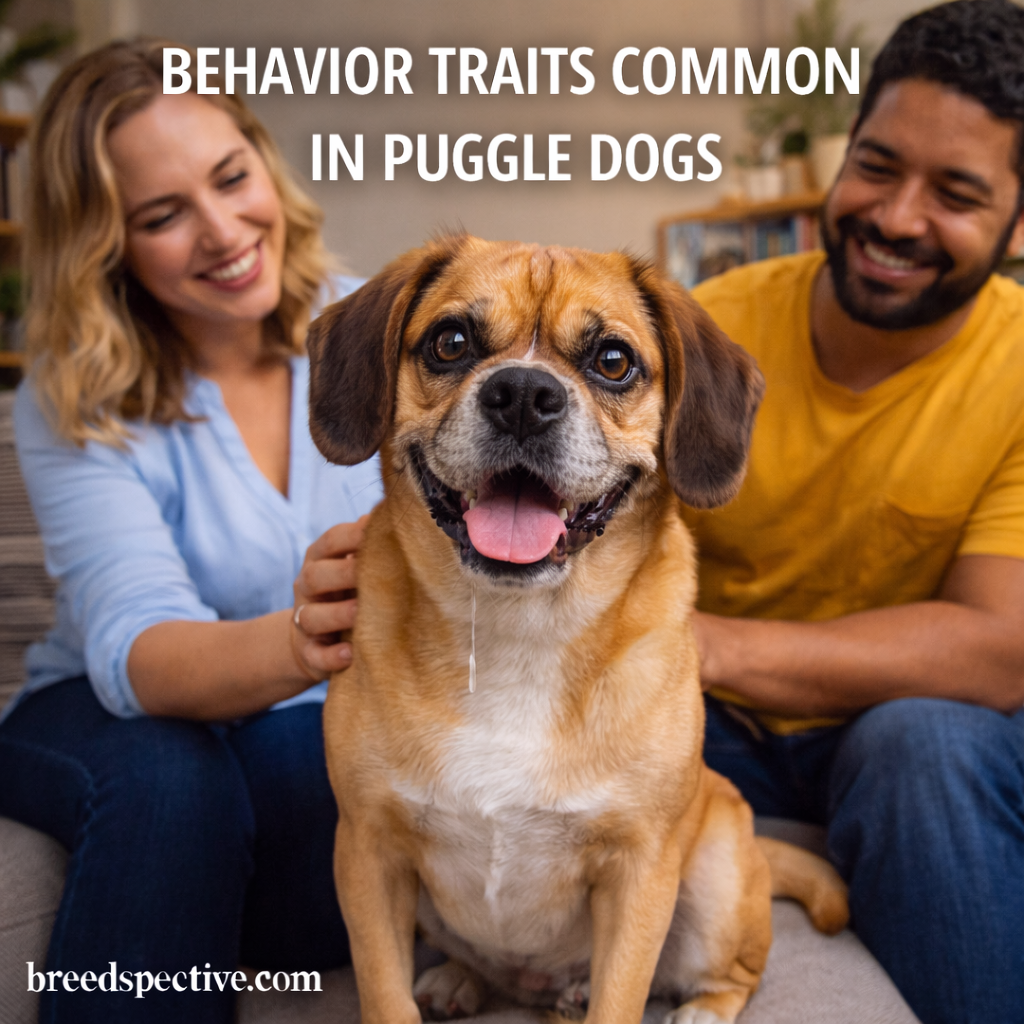
Puggles are a mixed breed created by crossing a Pug with a Beagle. This combination results in a dog with a unique blend of curiosity, affection, and playfulness. While individual behavior can vary depending on which parent traits are more dominant, most Puggles share a set of recognizable behavioral patterns.
Understanding these traits helps owners set realistic expectations and create an environment where a Puggle can thrive emotionally and behaviorally.
Friendly and People-Oriented Nature
One of the most consistent traits in Puggles is their strong people focus. They tend to bond closely with their families and enjoy being involved in daily activities.
Common people-oriented behaviors include:
- Following family members from room to room
- Seeking attention through eye contact or physical closeness
- Greeting people enthusiastically
- Becoming restless when ignored
Puggles are rarely aloof and generally prefer companionship over independence.
Playful and Energetic Personality
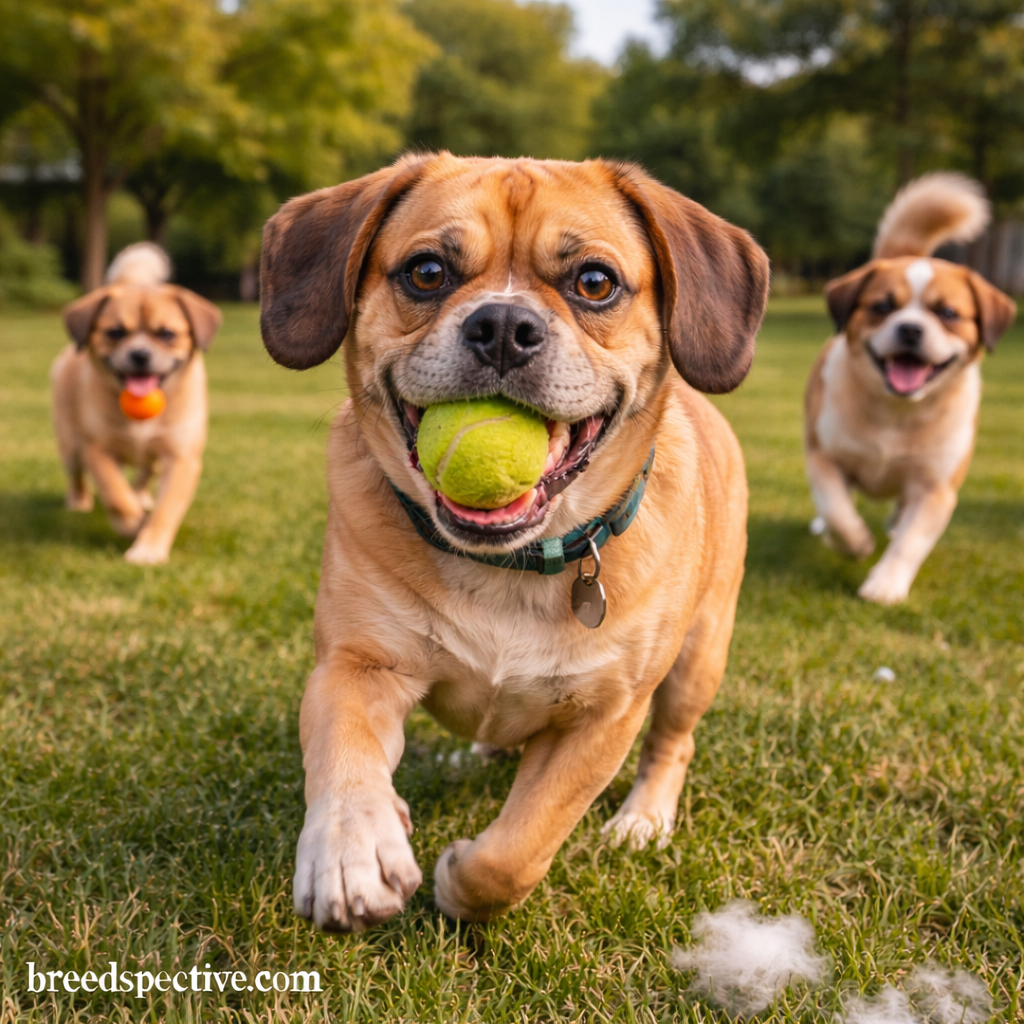
Puggles have a moderate but noticeable energy level. They enjoy playtime and interactive activities, especially those that involve people.
Typical play-related behaviors include:
- Enjoying games like fetch or tug
- Short bursts of zoomies
- Playfulness that often continues into adulthood
- Excitement during walks or outdoor activities
While not hyperactive, Puggles need daily outlets for their energy to prevent boredom.
Curious and Scent-Driven Instincts
Thanks to their Beagle heritage, many Puggles are highly curious and motivated by scent. This trait influences how they explore the world and respond to distractions.
Common scent-driven behaviors include:
- Sniffing extensively during walks
- Becoming distracted by smells
- Attempting to follow scent trails
- Ignoring commands when a smell is more interesting
Because of this, leash training and secure outdoor areas are especially important.
Affectionate and Emotionally Expressive
Puggles are known for their expressive faces and clear emotional communication. They often show affection openly and seek reassurance from their owners.
Affection-related behaviors include:
- Cuddling and lap sitting
- Leaning against people
- Vocalizing to get attention
- Responding strongly to owner moods
This emotional expressiveness makes them charming companions but also means they are sensitive to changes in routine or household tension.
Stubbornness and Selective Listening
Puggles are intelligent but can be stubborn, especially when their Beagle side is dominant. They may understand commands but choose not to comply if distracted or unmotivated.
Signs of stubborn behavior include:
- Ignoring known commands
- Responding slowly during training
- Becoming distracted easily
- Losing interest in repetitive tasks
Positive reinforcement, patience, and short training sessions are key to managing this trait.
Food Motivation and Begging Behavior
Most Puggles are highly food-motivated. While this makes training easier, it can also lead to unwanted behaviors if boundaries are not established.
Common food-related behaviors include:
- Begging during meals
- Counter surfing
- Overeating if given the opportunity
- Strong response to treats
Portion control and consistent feeding routines are essential to prevent weight-related issues.
Separation Anxiety Tendencies
Puggles often struggle with being left alone for long periods. Their strong attachment to people can lead to anxiety-related behaviors when isolated.
Signs of separation anxiety may include:
- Whining or barking when alone
- Destructive behavior
- Excessive excitement upon return
- Restlessness before departures
Gradual independence training and enrichment activities can help reduce these behaviors.
Social Behavior With Other Dogs and Pets
Puggles are generally social and friendly with other dogs. Their behavior with other pets depends largely on early socialization.
Typical social traits include:
- Enjoying play with other dogs
- Curiosity toward new animals
- Potential chasing of smaller pets
- Improved behavior when raised with other animals
Early introductions and consistent boundaries support positive social behavior.
Vocal Tendencies
Puggles may inherit vocal traits from both parent breeds. While not excessive barkers by default, some individuals can be quite vocal.
Vocal behaviors may include:
- Barking at unfamiliar sounds
- Howling or baying in rare cases
- Vocalizing for attention
Training and mental stimulation help manage unnecessary noise.
Adaptability to Different Lifestyles
Puggles are adaptable dogs that can adjust to a range of living situations, provided their emotional and activity needs are met.
They tend to adapt well to:
- Apartment living with daily walks
- Suburban homes with yards
- Families or singles
- First-time dog owners
Their behavior improves significantly in homes with structure and routine.
Common Behavior Challenges to Watch For
While generally easygoing, Puggles can develop behavioral challenges if their needs are ignored.
Common issues include:
- Boredom-related chewing
- Excessive barking
- Weight gain affecting behavior
- Stubbornness during training
Most of these challenges are preventable with consistent care and engagement.
Final Thoughts on Puggle Behavior Traits
Puggles are affectionate, playful, and expressive dogs with a curious streak and a strong love for people. Their behavior reflects a balance between the Beagle’s curiosity and the Pug’s desire for closeness.
With proper training, daily exercise, and emotional attention, Puggles become well-mannered, entertaining companions who fit comfortably into a wide variety of households.