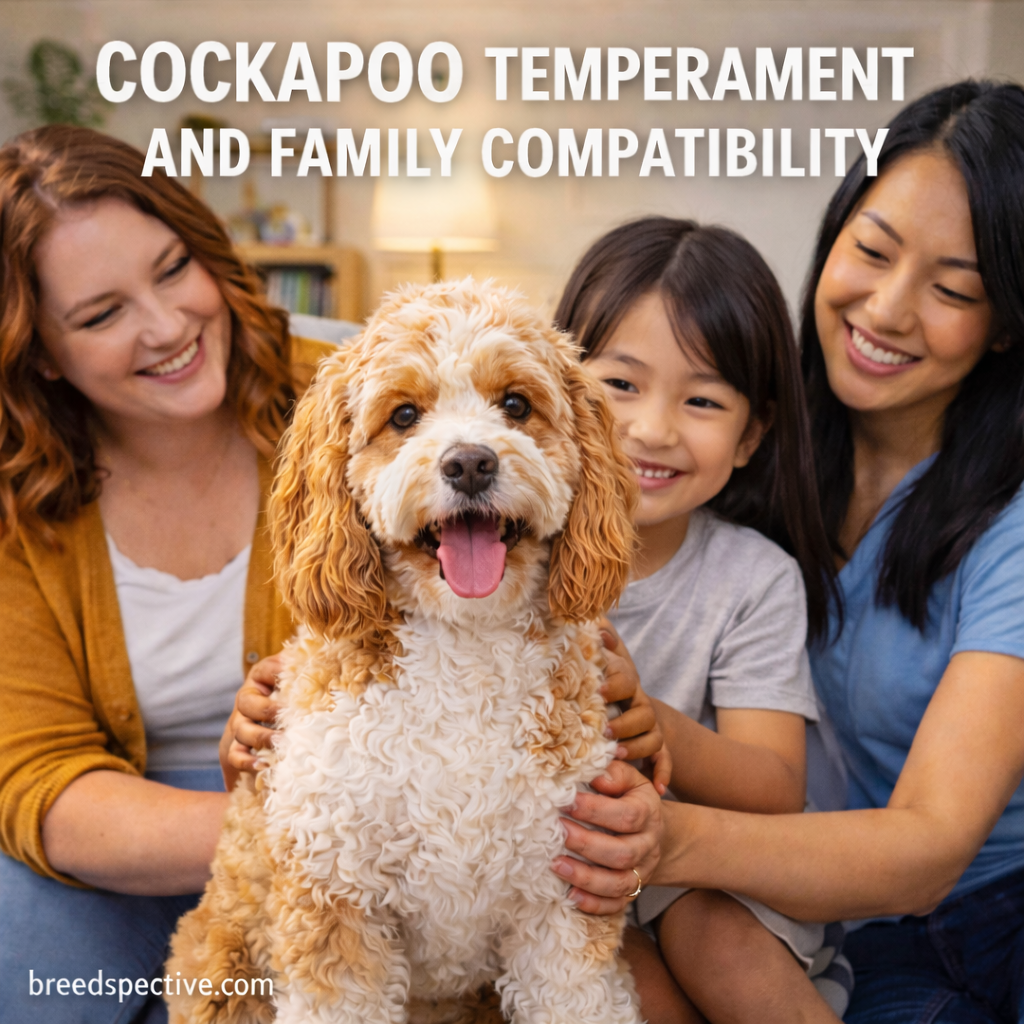

The Chiweenie— a mix between the Chihuahua and the Dachshund— is a small dog with a big personality. Known for loyalty, alertness, and a strong attachment to their people, Chiweenies often surprise owners with how expressive and opinionated they can be. While they make loving companions in the right home, their temperament and family compatibility depend heavily on training, socialization, and household dynamics.
This guide breaks down the Chiweenie’s personality traits, energy level, and how well this mixed breed fits into different types of families.
Chiweenie Temperament Overview
Chiweenies tend to inherit a blend of traits from both parent breeds, resulting in a dog that is affectionate, bold, and sometimes stubborn.
Common temperament traits include:
- Strong loyalty to one or two primary people
- Alert and vocal behavior
- Confident, sometimes fearless attitude
- Affectionate but selective with attention
- Curious and intelligent
Many Chiweenies form intense bonds with their owners and may act protective despite their small size.
Personality Strengths of the Chiweenie
Deeply Affectionate and Loyal
Chiweenies are known for attaching closely to their families. They enjoy lap time, cuddling, and being involved in daily routines.
Strengths include:
- Strong emotional bonding
- Enjoys physical closeness
- Often follows owners from room to room
This makes them excellent companion dogs for people who enjoy close interaction.
Alert and Watchful
Thanks to their Chihuahua influence, Chiweenies are naturally alert.
They often:
- Notice unfamiliar sounds quickly
- Bark to alert owners of visitors
- Act protective of their home and people
While this makes them good watchdogs, it can also lead to excessive barking if not managed early.
Potential Temperament Challenges
Stubbornness and Independence
Chiweenies may inherit the Dachshund’s independent streak, which can make training more challenging.
Common issues include:
- Selective listening
- Resistance to repetitive commands
- Testing boundaries
Positive reinforcement and consistency are essential for success.
Sensitivity and Reactivity
Many Chiweenies are emotionally sensitive and can become reactive if overwhelmed.
Triggers may include:
- Loud noises
- Rough handling
- Sudden changes in routine
Calm environments and predictable schedules help them feel secure.
Energy Level and Activity Needs

Chiweenies typically have a low-to-moderate energy level.
Daily Activity Expectations
Most Chiweenies are satisfied with:
- Short daily walks
- Indoor play sessions
- Brief bursts of energetic play
They enjoy activity but tire quickly and are not suited for long-distance exercise.
Mental Stimulation Is Important
Despite their size, Chiweenies are intelligent and benefit from mental engagement.
Good options include:
- Puzzle toys
- Short training games
- Interactive play
Mental stimulation helps prevent boredom-related behaviors like barking or chewing.
Chiweenies and Family Compatibility
With Adults and Seniors
Chiweenies are often an excellent match for adults and seniors.
They thrive in homes that offer:
- Calm environments
- Consistent routines
- Plenty of companionship
Their small size and moderate energy make them easy to manage.
With Children
Chiweenies can do well with children, but compatibility depends on the child’s age and behavior.
Best fit situations include:
- Older children who understand gentle handling
- Supervised interactions
- Respectful boundaries
They may not tolerate rough play and can become defensive if mishandled.
With Other Pets
Compatibility with other pets varies.
- Some Chiweenies get along well with other dogs
- Early socialization is critical
- They may chase smaller animals due to prey drive
Slow introductions and supervision help ensure harmony.
Living Environment Compatibility
Apartment Living
Chiweenies are well-suited for apartments due to their size.
However, owners should manage:
- Barking tendencies
- Separation anxiety
- Need for mental stimulation
With proper training, they adapt well to small spaces.
Houses With Yards
A fenced yard can be a bonus but is not required.
Chiweenies enjoy:
- Short outdoor exploration
- Supervised playtime
- Safe, enclosed areas
They should not be left unattended outside due to escape risk.
Training and Socialization Tips
Training Approach
Chiweenies respond best to:
- Positive reinforcement
- Short, engaging sessions
- Gentle correction
Harsh training methods can lead to fear or stubborn behavior.
Importance of Early Socialization
Early exposure to people, pets, and environments helps prevent:
- Excessive fearfulness
- Territorial aggression
- Reactivity toward strangers
Well-socialized Chiweenies are more confident and adaptable.
Ideal Owner Profile
Chiweenies are best suited for owners who value companionship and structure.
They are a strong match for:
- Singles or couples
- Seniors
- Remote workers
- Calm households
They may struggle in chaotic homes or with owners who are away for long periods.
Is a Chiweenie Right for Your Family?
A Chiweenie can be a loving and devoted family companion when placed in the right environment. They thrive on attention, consistency, and emotional connection.
Choose a Chiweenie if you want:
- A loyal, affectionate companion
- A small dog with personality
- Moderate activity needs
- Strong emotional bonding
If you prefer an easygoing, highly social dog that loves everyone equally, another mix may be a better fit.
Final Thoughts
The Chiweenie’s temperament reflects its heritage: bold, affectionate, and deeply attached to its people. While not ideal for every household, this mixed breed shines in calm, attentive homes that appreciate a small dog with a big heart and strong opinions.
With proper training and understanding, a Chiweenie can be a devoted and entertaining addition to the right family.