

Winter can be challenging for pets, especially when cold temperatures, snow, ice, and dry indoor air affect their comfort and health. While all dogs and cats need extra care during colder months, winter care needs vary significantly by breed, coat type, body size, age, and overall health.
This guide explains winter care needs by dog and cat breed, helping pet owners understand how to protect their pets from cold-weather risks while maintaining comfort, safety, and routine.
Why Winter Care Varies by Breed
Not all pets are built for cold weather. Some breeds evolved in harsh climates, while others originated in warmer regions or were bred primarily for companionship.
Key factors that influence winter tolerance include:
- Coat length and density
- Body fat and size
- Ear, nose, and paw exposure
- Energy level and activity needs
- Age and underlying health conditions
Understanding your pet’s breed traits allows you to tailor winter care appropriately.
Cold-Weather Dog Breeds: Built for Winter
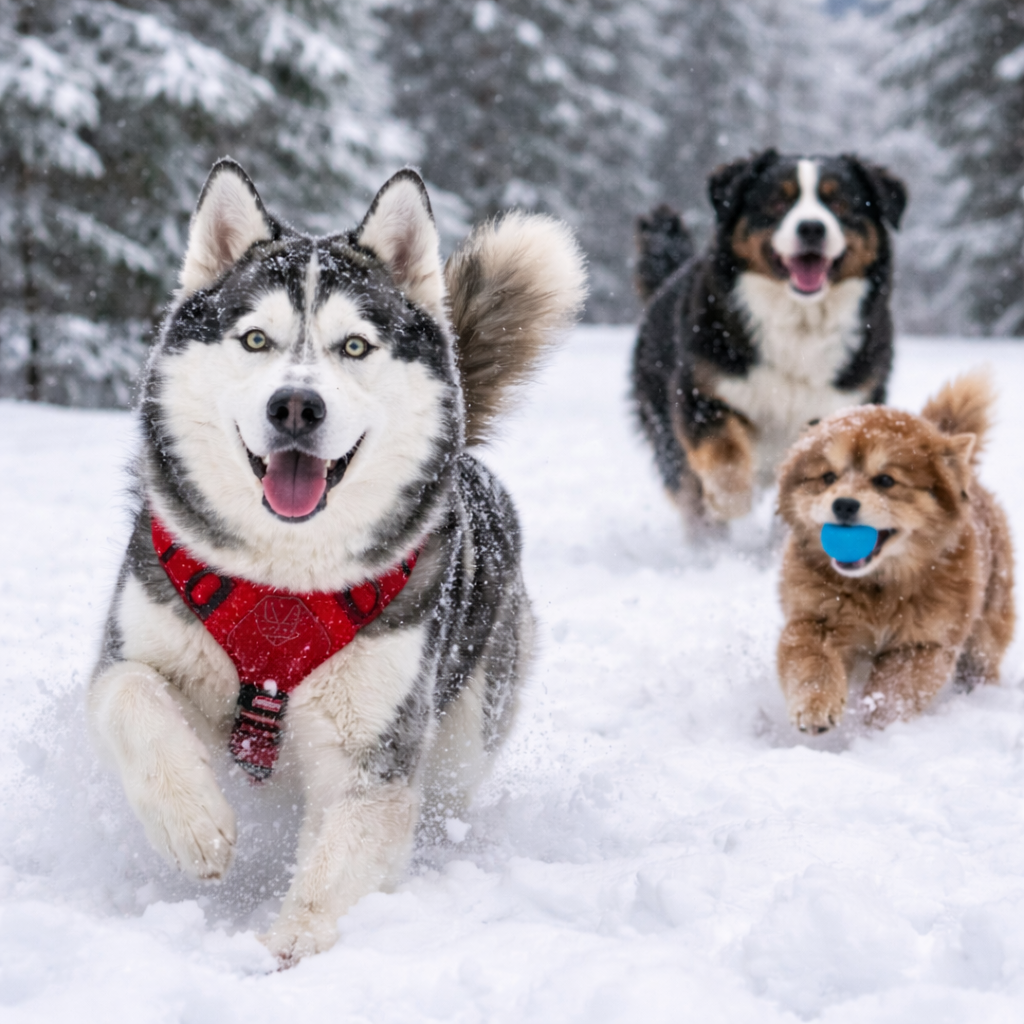
Certain dog breeds are naturally well-suited to cold climates due to thick coats and robust builds.
Common cold-tolerant dog breeds include:
- Siberian Husky
- Alaskan Malamute
- Samoyed
- Bernese Mountain Dog
- Newfoundland
Winter Care Tips for Cold-Adapted Dogs
Even winter breeds still need care:
- Limit time outdoors in extreme cold
- Check paws for ice buildup and cracks
- Provide extra calories if activity levels increase
- Ensure access to dry, insulated shelter
These breeds may enjoy winter weather but are not immune to frostbite or hypothermia.
Moderate-Coat Dog Breeds: Balanced Winter Needs
Many popular breeds fall somewhere in the middle—not fully cold-hardy, but not extremely sensitive either.
Examples include:
- Labrador Retriever
- Golden Retriever
- German Shepherd
- Border Collie
Winter Care Considerations
- Shorter outdoor sessions during freezing temperatures
- Paw protection from salt and ice melt
- Thorough drying after snow exposure
- Monitoring joint stiffness in cold weather
These dogs often tolerate winter well with minor adjustments.
Short-Coated and Small Dog Breeds: High Cold Sensitivity
Dogs with short coats, low body fat, or small frames struggle most in winter.
Cold-sensitive breeds include:
- Chihuahua
- Greyhound
- Whippet
- Dachshund
- Italian Greyhound
Essential Winter Care for Cold-Sensitive Dogs
- Use insulated dog sweaters or coats
- Keep walks brief during extreme cold
- Avoid icy surfaces
- Provide warm bedding indoors
Shivering, reluctance to walk, or lifting paws are signs it’s too cold.
Senior Dogs and Puppies in Winter
Age affects cold tolerance regardless of breed.
Special considerations include:
- Reduced circulation in senior dogs
- Developing immune systems in puppies
- Increased joint stiffness or arthritis pain
Winter care tips:
- Short, frequent walks
- Warm sleeping areas away from drafts
- Joint-supportive bedding
- Consistent indoor enrichment
Cold Tolerance in Cats: Breed Differences
Cats are generally more sensitive to cold than dogs, especially indoor breeds.
Cold-Tolerant Cat Breeds
Some cats have thicker coats and stronger cold tolerance:
- Maine Coon
- Norwegian Forest Cat
- Siberian Cat
These breeds still benefit from indoor living during winter.
Cold-Sensitive Cat Breeds
Cats with short or minimal fur are especially vulnerable:
- Sphynx
- Devon Rex
- Cornish Rex
- Oriental Shorthair
Winter care for these cats should focus on warmth and skin protection.
Winter Care for Indoor Cats
Even indoor cats feel winter effects.
Key indoor winter needs include:
- Warm sleeping spots
- Avoiding cold window drafts
- Increased humidity to prevent dry skin
- Extra calories if activity increases
Cats may sleep more during winter, which is normal.
Paw Care and Skin Protection
Winter conditions can be harsh on paws and skin.
Common winter hazards include:
- Ice melt chemicals
- Snow and ice buildup
- Dry, cracked pads
Protective steps:
- Wipe paws after walks
- Use pet-safe paw balms
- Avoid heavily salted walkways
Never allow pets to lick salt or ice melt off their paws.
Coat and Grooming Adjustments in Winter
Grooming routines may need adjustment during colder months.
Helpful tips:
- Continue regular brushing to prevent matting
- Avoid shaving dogs before winter
- Bathe less frequently to reduce skin dryness
- Use moisturizing, pet-safe shampoos
Healthy coats provide essential insulation.
Nutrition and Hydration During Winter
Cold weather often increases calorie needs, especially for active pets.
Winter nutrition tips:
- Monitor weight and adjust portions as needed
- Ensure constant access to fresh water
- Prevent outdoor water bowls from freezing
- Watch for dehydration due to dry indoor air
Consult your veterinarian before making major dietary changes.
Outdoor Safety Risks in Winter
Winter introduces unique dangers.
Common risks include:
- Antifreeze exposure
- Frozen ponds or lakes
- Snowdrifts hiding hazards
- Reduced visibility during storms
Always supervise outdoor time and keep pets on leash when conditions are unpredictable.
Creating a Winter-Safe Home Environment
A comfortable indoor environment is essential.
Best practices:
- Provide warm bedding
- Keep pets away from space heaters
- Use humidifiers if air is very dry
- Maintain consistent routines
Comfort and predictability reduce winter stress.
Signs Your Pet Is Too Cold
Watch for warning signs:
- Shivering or trembling
- Lethargy or reluctance to move
- Seeking constant warmth
- Pale gums or ears (in severe cases)
If symptoms persist, consult a veterinarian immediately.
Final Thoughts on Winter Care by Breed
Winter care is not one-size-fits-all. A pet’s breed, coat type, size, and age all play a role in determining how much protection they need during colder months.
By understanding your dog or cat’s specific winter needs—and adjusting routines, grooming, and outdoor exposure accordingly—you can ensure your pet stays safe, comfortable, and healthy all winter long.