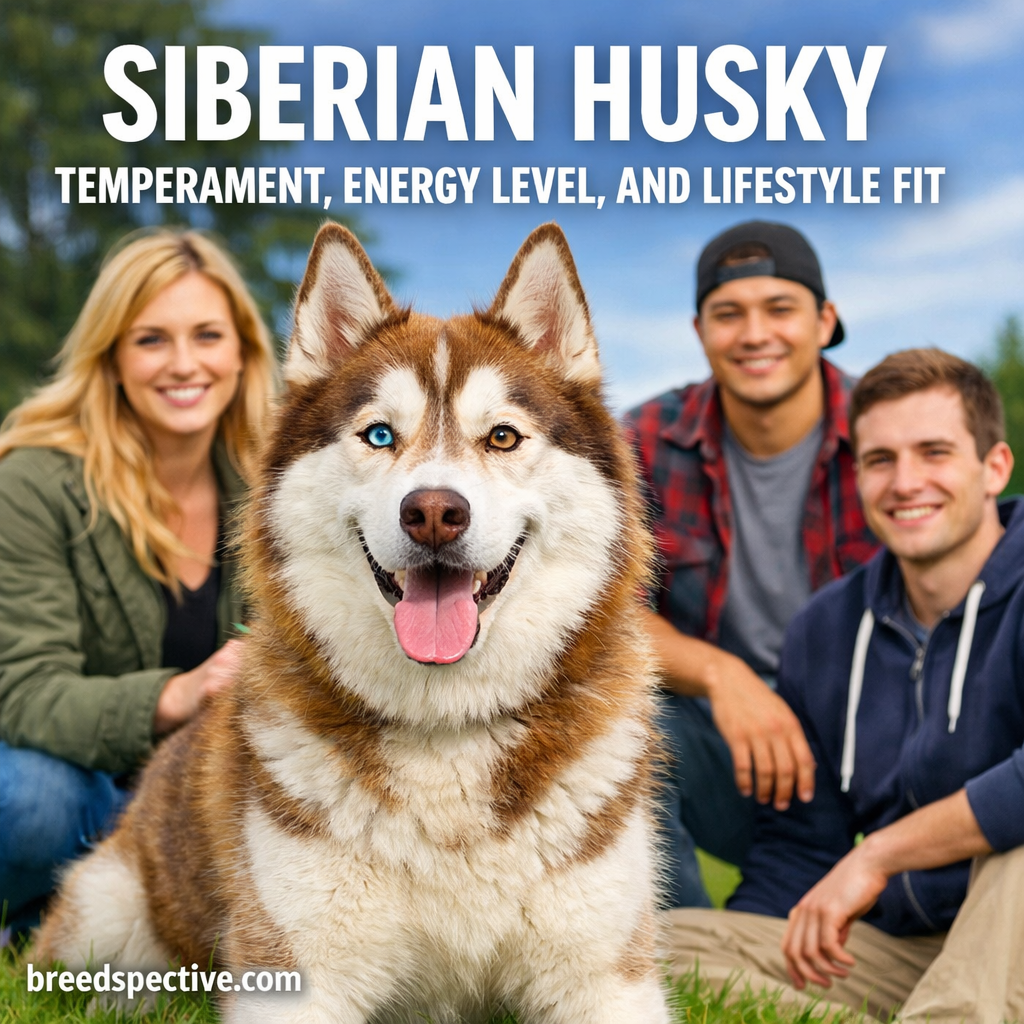
The Siberian Husky is one of the most recognizable dog breeds in the world, admired for its striking appearance, expressive eyes, and athletic build. However, living with a Husky is as much about understanding their temperament and energy level as it is appreciating their looks. This guide breaks down the Siberian Husky’s personality traits, daily activity needs, and the types of households where this breed truly thrives.
Siberian Husky Temperament
Siberian Huskies are known for having friendly, outgoing, and playful personalities. They are not typically aggressive and tend to enjoy the company of people, including strangers.
Key temperament traits include:
- Social and people-oriented
- Curious and adventurous
- Independent yet affectionate
- Intelligent but strong-willed
Huskies were bred to work closely with other dogs and humans, which explains their generally cooperative and sociable nature. They often enjoy being part of family activities and dislike being isolated for long periods.
That said, their independent streak can sometimes be mistaken for stubbornness. Huskies are capable of making their own decisions, which can present challenges during training if consistency is lacking.
Intelligence and Trainability
Siberian Huskies are highly intelligent, but intelligence does not always translate into easy obedience. They learn commands quickly, yet may choose not to follow them if they feel unmotivated.
Training considerations:
- Respond best to positive reinforcement
- Can become bored with repetitive drills
- Thrive with short, engaging training sessions
- Benefit from early socialization
Because Huskies are problem-solvers, they often test boundaries. Owners who use patience, structure, and rewards rather than harsh correction tend to see the best results.
Energy Level and Exercise Needs
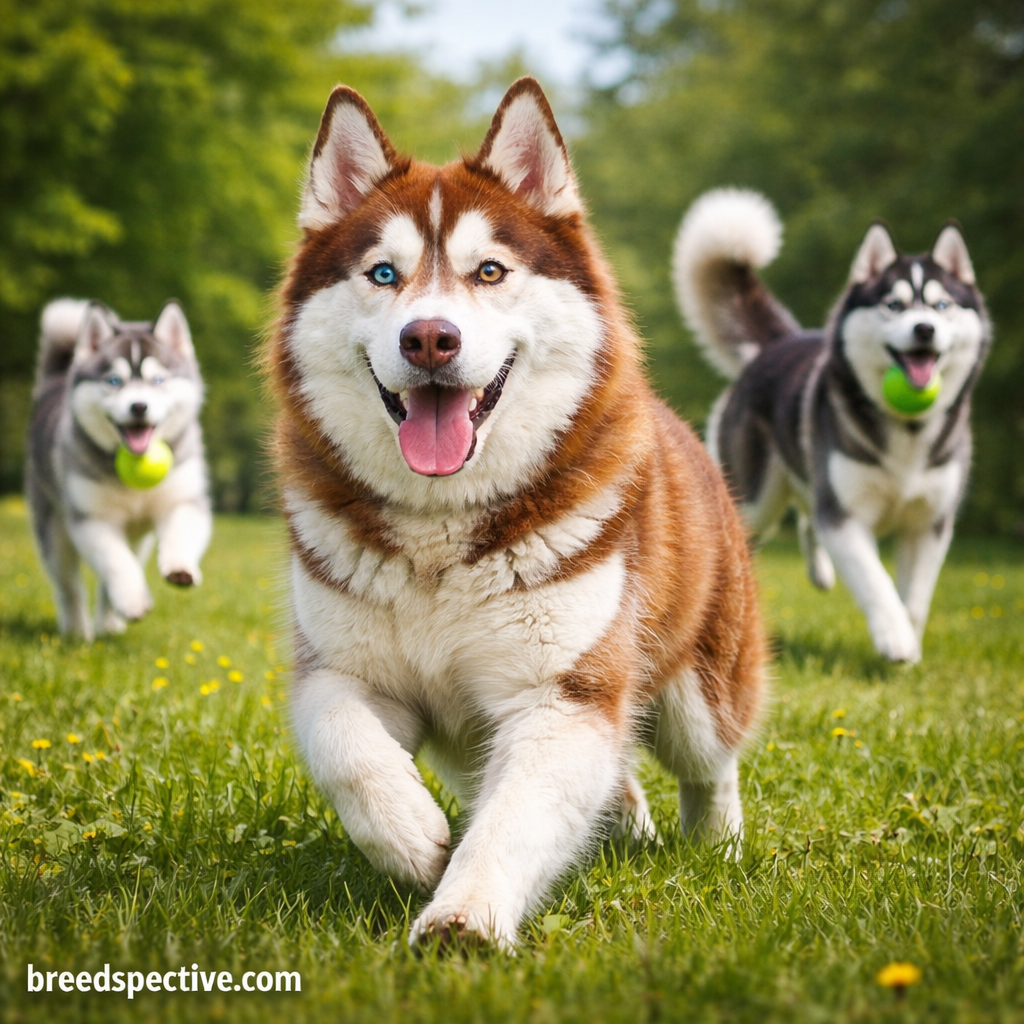
The Siberian Husky is a high-energy working breed that requires significant daily physical activity. Without adequate exercise, boredom can quickly lead to destructive behaviors.
Typical exercise needs include:
- At least 1.5 to 2 hours of activity per day
- Long walks, jogging, or hiking
- Opportunities to run in secure, fenced areas
- Mental stimulation through games or training
This breed excels in activities such as sledding, skijoring, canicross, and agility. Simply letting a Husky roam in the backyard is rarely enough to meet their energy demands.
Playfulness and Behavior at Home
Huskies are playful well into adulthood and often retain a puppy-like attitude for many years. They enjoy games, interactive toys, and social engagement.
Common at-home behaviors include:
- Zooming or energetic bursts
- Playful vocalizations and “talking”
- Chewing when under-stimulated
- Exploring and testing boundaries
Because of their curiosity, Huskies are known escape artists. Secure fencing and supervision are essential, as they may dig under or jump over barriers if bored or motivated.
Social Compatibility With People and Pets
Siberian Huskies are generally good with children when properly socialized and supervised. Their friendly nature makes them poor guard dogs but excellent companions.
Social traits to consider:
- Usually friendly toward strangers
- Often enjoy living with other dogs
- May have a strong prey drive toward small animals
- Thrive in active, interactive households
Early exposure to different people, environments, and pets helps ensure balanced behavior. Households with cats or small animals may need extra caution and training.
Vocalization and Communication Style
Unlike many breeds, Siberian Huskies rarely bark excessively. Instead, they are famous for their unique vocalizations, including howling, “talking,” and expressive sounds.
What to expect:
- Howling instead of barking
- Vocal responses to people
- Increased noise when bored or excited
This trait can be charming for some owners but may not be ideal for those living in apartments with strict noise policies.
Lifestyle Fit: Who Is a Siberian Husky Best For?
The Siberian Husky is not a low-maintenance breed. They do best with owners who can match their physical and mental needs.
Ideal lifestyle matches include:
- Active individuals or families
- Owners who enjoy outdoor activities
- Homes with time for daily exercise
- People comfortable with consistent training
Less suitable situations:
- Sedentary lifestyles
- Long daily absences
- Small apartments without exercise access
- Owners seeking an off-leash reliable dog
Huskies crave engagement, movement, and companionship. When these needs are met, they are loyal, entertaining, and deeply affectionate dogs.
Grooming and Seasonal Shedding Considerations
While Siberian Huskies are relatively clean dogs, they do shed heavily, especially during seasonal coat changes.
Grooming expectations:
- Heavy shedding once or twice per year
- Weekly brushing, daily during shedding seasons
- Minimal bathing needed
- Moderate overall grooming time
Their double coat insulates them from both cold and heat, but it also means shedding can be intense for short periods.
Final Thoughts on Siberian Husky Temperament and Lifestyle
The Siberian Husky is a joyful, energetic, and intelligent breed that thrives in the right environment. They are affectionate without being clingy, playful without being aggressive, and independent without being aloof.
For owners who can provide structure, exercise, and attention, the Husky offers companionship filled with personality, humor, and adventure. For those unprepared for their energy and independence, the breed can quickly become overwhelming.
Understanding the Siberian Husky’s temperament and lifestyle needs is the key to a happy, healthy partnership for both dog and owner.