
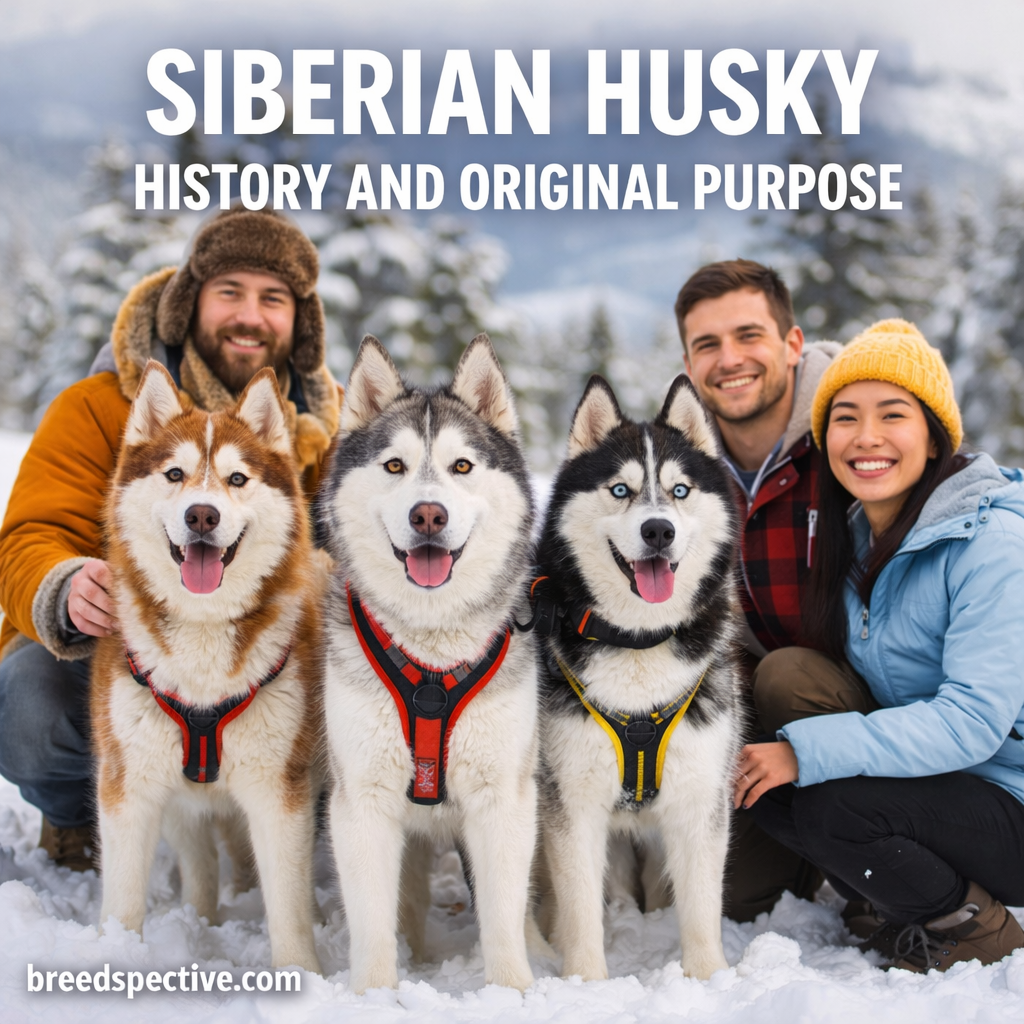
The Siberian Husky is a breed shaped by survival, endurance, and cooperation. Long before it became a popular companion dog, this breed played a vital role in human life in some of the harshest environments on Earth. Understanding the Siberian Husky’s history reveals why the breed is energetic, social, independent, and uniquely suited to active lifestyles today.
Ancient Origins of the Siberian Husky
The Siberian Husky is an ancient working breed that traces its roots back thousands of years. It was developed by indigenous Arctic communities who depended on dogs for transportation, survival, and daily life.
Key aspects of the breed’s early development include:
- Bred for stamina rather than speed
- Selected for cooperation with people and other dogs
- Designed to thrive in extreme cold
- Valued for efficiency and reliability
These early dogs were not bred for appearance. Every physical and behavioral trait served a purpose tied directly to survival.
The Breed’s Original Purpose
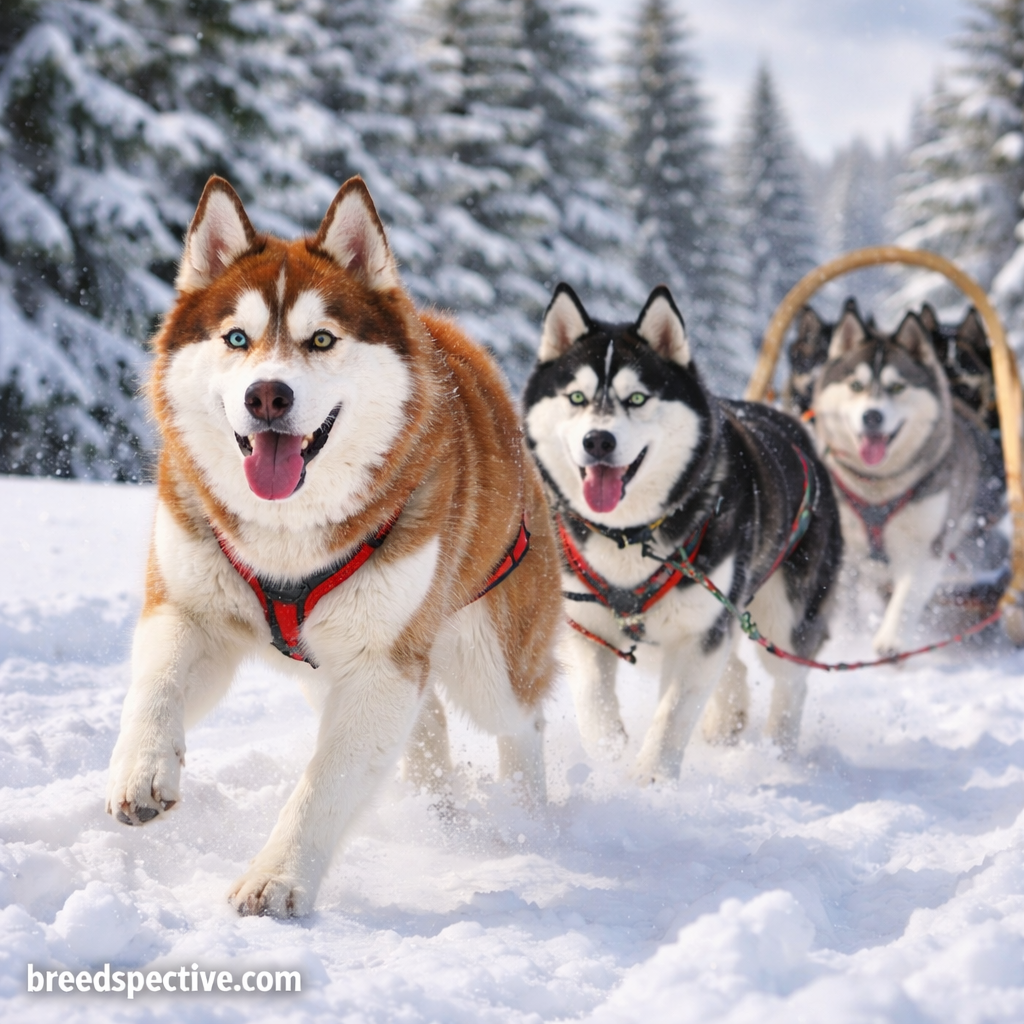
The original purpose of the Siberian Husky was long-distance transportation. These dogs were used to pull sleds across frozen terrain, carrying supplies, food, and people between remote settlements.
Primary working roles included:
- Pulling light loads over long distances
- Traveling efficiently with minimal food
- Navigating harsh Arctic conditions
- Working closely in teams
Unlike heavier sled dogs bred for hauling massive cargo, Siberian Huskies were optimized for endurance. Their ability to travel far while conserving energy made them invaluable.
Relationship With Indigenous Communities
Siberian Huskies were deeply integrated into daily life rather than treated as property or tools. They lived closely with families and were valued members of the community.
This close bond influenced the breed’s temperament:
- Strong social instincts
- Comfort living in groups
- Cooperative rather than territorial behavior
- High tolerance for people, including children
This history helps explain why modern Huskies are typically friendly, poor guard dogs, and deeply people-oriented.
Physical Traits Shaped by Function
Every defining physical trait of the Siberian Husky developed to support its original purpose.
Key functional traits include:
- Double coat for insulation in extreme cold
- Almond-shaped eyes to reduce glare from snow
- Compact, athletic frame for endurance
- Bushy tail used for warmth during rest
Even the breed’s well-known eye colors and markings evolved naturally, not through selective breeding for aesthetics.
Temperament Rooted in Survival
The Siberian Husky’s personality is a direct reflection of its working history. These dogs needed to think independently, adapt quickly, and work harmoniously within a team.
Historical temperament traits include:
- Independent decision-making
- High intelligence and problem-solving ability
- Playful and expressive communication
- Strong pack-oriented mindset
Because Huskies were trusted to make decisions on the trail, modern Huskies often show independence that can challenge inexperienced owners.
Introduction to the Western World
The Siberian Husky became widely known outside its native region in the early 20th century. Explorers and traders recognized the breed’s exceptional endurance and efficiency.
Key milestones include:
- Participation in long-distance sled races
- Use in mail and supply transport
- Growing interest from dog breeders
These early demonstrations of ability helped establish the breed’s reputation as one of the world’s most capable sled dogs.
The Famous Serum Run and Public Recognition
One of the most defining moments in Siberian Husky history was their role in a historic lifesaving mission involving medical supply transport across frozen terrain.
This event showcased:
- Extreme endurance under dangerous conditions
- Reliability in severe weather
- Team coordination over long distances
Public attention following this event cemented the Siberian Husky’s place in history and accelerated interest in the breed worldwide.
Transition From Working Dog to Companion
As modern transportation reduced the need for sled dogs, Siberian Huskies gradually transitioned into companion and sport roles.
New roles included:
- Family companions
- Competitive sled racing
- Skijoring and recreational mushing
- Active lifestyle pets
Despite this shift, the breed retained its working-dog instincts, which continue to shape its needs today.
How History Influences Modern Siberian Huskies
Many common Husky behaviors make sense when viewed through a historical lens.
Examples include:
- High energy due to endurance breeding
- Love of running and roaming
- Social behavior with other dogs
- Vocal communication instead of guarding
Owners who understand the breed’s history are better prepared to meet its physical and mental needs.
Common Misconceptions About the Breed’s Past
Some people mistakenly assume Siberian Huskies were bred for guarding or hunting. In reality, these traits were never priorities.
Historical realities:
- Guarding was unnecessary in close-knit communities
- Cooperation mattered more than aggression
- Hunting assistance was secondary at best
This explains why Huskies tend to be friendly toward strangers and unreliable as watchdogs.
Why Breed History Still Matters Today
Understanding the Siberian Husky’s history is essential for responsible ownership. This breed thrives when its instincts are acknowledged rather than suppressed.
Key takeaways for modern owners:
- Daily exercise is non-negotiable
- Mental stimulation is as important as physical activity
- Social interaction prevents behavioral issues
- Independence requires patient training
When treated as the working athlete it was designed to be, the Siberian Husky becomes a loyal, joyful, and deeply engaging companion.
Final Thoughts on Siberian Husky History
The Siberian Husky is not just a beautiful dog—it is a living piece of history. Shaped by endurance, cooperation, and survival, this breed carries ancient instincts into the modern world.
By understanding the Siberian Husky’s original purpose and historical role, owners gain insight into the breed’s energy, intelligence, and personality. Respecting that history is the key to building a fulfilling and lasting bond.