
Low-shedding dog breeds are often sought after by people who want a cleaner home, reduced allergens, or easier coat maintenance. While no dog is completely shed-free, some breeds shed far less than others due to coat type, hair growth cycles, and grooming needs.
This guide explains what “low-shedding” really means, why some dogs shed less, and which types of breeds fall into this category—along with the care they require.
What Does Low-Shedding Actually Mean?
Low-shedding dogs lose hair at a much slower and less noticeable rate than heavy-shedding breeds. Instead of constantly dropping fur, their hair often grows continuously and falls out gradually—similar to human hair.
Important things to understand:
- Low-shedding does not mean no shedding
- Hair is often trapped in the coat instead of falling out
- Regular grooming is essential to prevent matting
- Less visible fur does not always mean low maintenance
Low-shedding dogs usually trade shedding for higher grooming needs.
Why Some Dogs Shed Less Than Others
Shedding is influenced by coat structure and growth cycles.
Dogs that shed less typically have:
- Hair instead of fur
- Single-layer coats rather than double coats
- Slower hair replacement cycles
- Tighter curls or wiry textures that hold loose hair
By contrast, heavy shedders usually have thick undercoats designed for insulation and seasonal shedding.
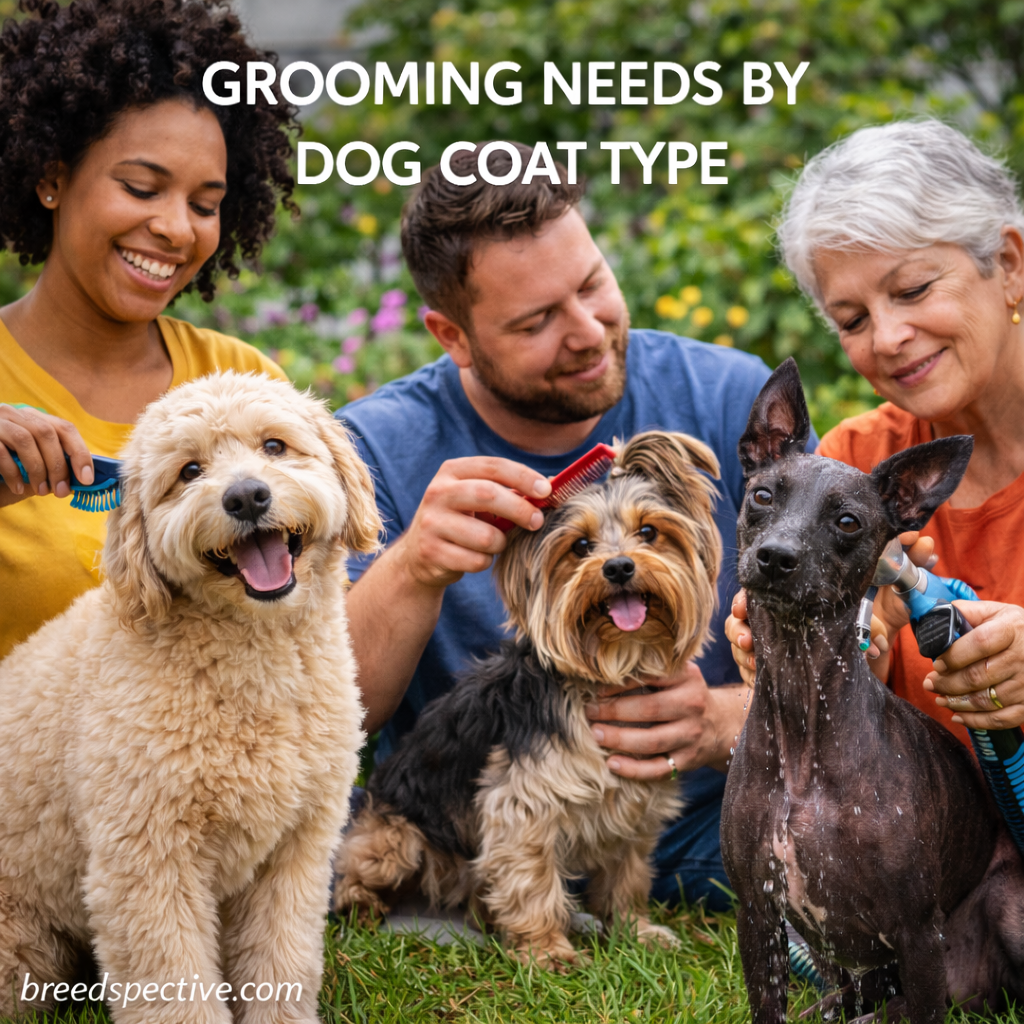
Coat Types Common in Low-Shedding Dogs
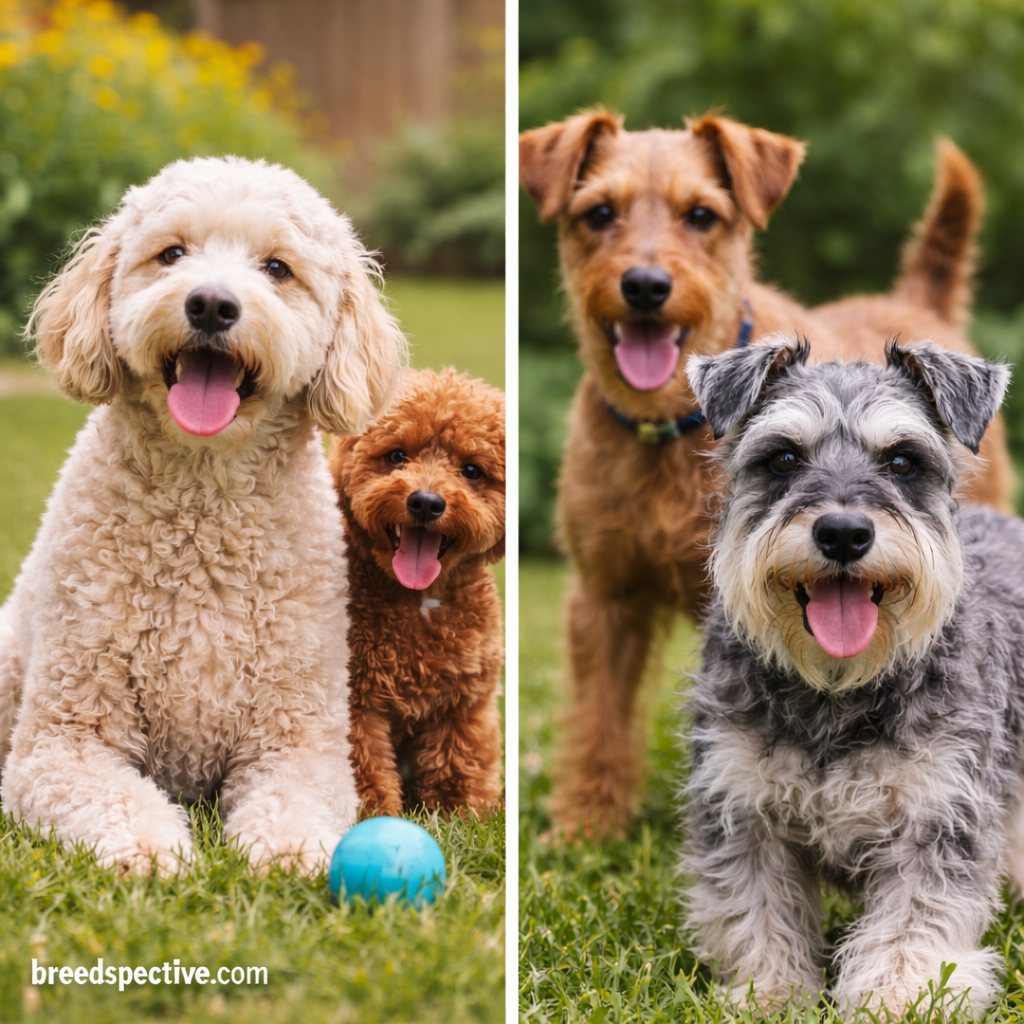
Understanding coat type helps explain why certain dogs shed less.
Hair Coats
Dogs with hair coats grow hair continuously rather than shedding it all at once.
Characteristics:
- Similar growth pattern to human hair
- Minimal seasonal shedding
- Requires regular trimming
- High grooming commitment
Common among many companion and working breeds.
Curly Coats
Curly coats trap loose hair, preventing it from falling onto floors and furniture.
Traits include:
- Tight or loose curls
- Reduced visible shedding
- High risk of matting
- Needs frequent brushing
Curly coats are common in many low-shedding and “hypoallergenic” dogs.
Wiry Coats
Wiry coats shed minimally but often require specialized grooming.
Key features:
- Coarse outer coat
- Minimal loose hair
- Often hand-stripped rather than clipped
- Maintains texture with proper care
Without correct grooming, wiry coats can lose their protective qualities.
Are Low-Shedding Dogs Hypoallergenic?
Low-shedding dogs are often labeled hypoallergenic, but this term can be misleading.
Important facts:
- Allergies are triggered by dander and saliva, not just hair
- Low-shedding dogs may spread fewer allergens
- Individual reactions vary from person to person
- No breed is 100% allergy-proof
People with allergies should spend time with a dog before committing, regardless of shedding level.
Grooming Needs of Low-Shedding Dogs
One of the biggest misconceptions is that low shedding equals low maintenance.
Typical grooming needs include:
- Brushing several times per week or daily
- Professional grooming every 4–8 weeks
- Regular bathing to prevent buildup
- Ear, eye, and paw maintenance
Skipping grooming often leads to:
- Painful mats
- Skin irritation
- Odor buildup
- Coat damage
Popular Types of Low-Shedding Dog Breeds
While individual breeds vary, many low-shedding dogs fall into these general categories:
- Poodle-type and curly-coated dogs
- Dogs with continuously growing hair
- Small companion breeds with fine coats
- Wire-coated terriers
Mixed breeds that inherit these coat traits may also shed very little.
Shedding vs Dander: What Matters More?
Shedding and allergens are related but not identical.
Key differences:
- Shedding refers to hair loss
- Dander consists of microscopic skin flakes
- Low shedding can reduce dander spread
- Poor grooming increases allergen buildup
Consistent grooming plays a larger role in allergen control than breed alone.
Choosing the Right Low-Shedding Dog
A low-shedding coat should match your lifestyle—not just your cleaning preferences.
Consider the following:
- Time available for grooming
- Budget for professional grooming
- Tolerance for brushing and coat care
- Climate and activity level
A well-maintained low-shedding dog is comfortable, clean, and healthy—while a neglected one can quickly develop serious coat issues.
Common Myths About Low-Shedding Dogs
Myth: Low-shedding dogs don’t need brushing
Truth: They often need more brushing than heavy shedders
Myth: Low-shedding dogs never trigger allergies
Truth: Allergies vary by individual, not breed alone
Myth: Mixed breeds always shed less
Truth: Shedding depends on inherited coat traits
Final Thoughts
Low-shedding dog breeds offer a cleaner home and may be easier for allergy-sensitive households—but they require consistent grooming and coat care. Understanding coat types, grooming demands, and realistic expectations helps owners make informed decisions.
When cared for properly, low-shedding dogs combine manageable shedding with beautiful, healthy coats that last a lifetime.