
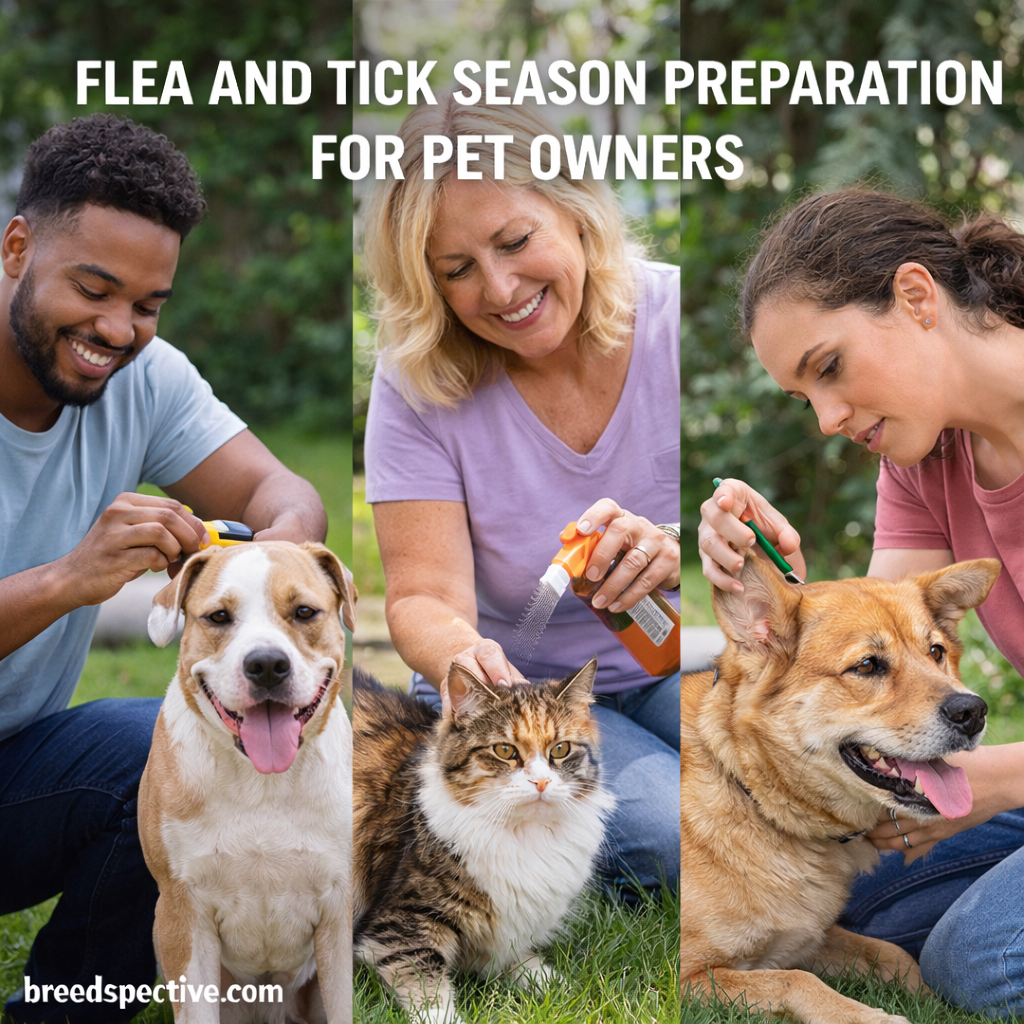
Flea and tick season can pose serious risks to pets and households if not addressed early. These parasites are more than just a nuisance—they can transmit diseases, cause allergic reactions, and lead to long-term health issues for dogs and cats.
Preparing ahead of flea and tick season helps protect your pet’s comfort, health, and daily routine while reducing infestations in your home and outdoor spaces.
When Flea and Tick Season Typically Starts
Fleas and ticks become active when temperatures rise, but their presence is not limited to summer alone.
Seasonal Activity Patterns
- Spring: Rapid increase in flea and tick populations
- Summer: Peak activity due to warmth and humidity
- Fall: Continued risk until temperatures consistently drop
- Winter: Reduced activity outdoors, but indoor infestations remain possible
In warmer climates, flea and tick prevention may be needed year-round.
Why Fleas and Ticks Are a Serious Concern
Fleas and ticks can affect pets of all ages, breeds, and lifestyles.
Health Risks Associated With Parasites
- Skin irritation and hair loss
- Flea allergy dermatitis
- Tick-borne diseases such as Lyme disease
- Anemia in severe flea infestations
- Transmission of parasites like tapeworms
Even indoor pets are at risk, as fleas and ticks can be carried inside on clothing or other animals.
Identifying Flea and Tick Exposure Early
Early detection reduces the chance of a widespread infestation.
Common Signs in Dogs and Cats
- Excessive scratching or biting
- Red, irritated skin or scabs
- Hair thinning or bald patches
- Flea dirt (small black specks) in fur
- Visible ticks attached to skin
Routine checks during grooming or petting sessions are one of the most effective early warning tools.
Choosing Flea and Tick Prevention Methods
There are several prevention options available, each with advantages depending on your pet’s needs.
Common Prevention Options
- Topical spot-on treatments
- Oral preventative medications
- Flea and tick collars
- Sprays and shampoos
- Environmental treatments for home and yard
Always choose products appropriate for your pet’s species, size, and age.
Preparing Your Home and Yard

Parasite control is most effective when pets and their environment are treated together.
Home Preparation Tips
- Vacuum carpets, rugs, and furniture frequently
- Wash pet bedding in hot water weekly
- Dispose of vacuum contents promptly
- Clean areas where pets rest or sleep
Yard Maintenance Tips
- Keep grass trimmed and debris cleared
- Remove leaf piles and shaded nesting areas
- Limit access to wooded or overgrown zones
- Treat outdoor spaces if infestations are present
Reducing habitat areas lowers flea and tick populations naturally.
Flea and Tick Prevention for Indoor Pets
Indoor pets are often mistakenly considered low-risk.
Why Indoor Pets Still Need Protection
- Fleas can enter through doors or windows
- Ticks can attach to humans or other animals
- Apartment buildings can spread infestations
- Boarding or grooming visits increase exposure
Preventative care helps avoid unexpected outbreaks.
Special Considerations for Puppies, Kittens, and Seniors
Age and health status affect prevention choices.
Extra Care Tips
- Use age-appropriate products only
- Avoid harsh chemicals for young pets
- Monitor seniors for skin sensitivity
- Consult a veterinarian for pets with medical conditions
Gentle, consistent protection is safer than reactive treatment.
Travel and Outdoor Activity Planning
Seasonal travel increases exposure risks.
Travel-Related Prevention Steps
- Apply prevention before trips
- Check pets daily after outdoor activities
- Avoid high-risk areas when possible
- Keep preventative schedules consistent
Preparation reduces the chance of bringing parasites home.
Common Mistakes to Avoid
Some prevention missteps can increase risk.
Mistakes Pet Owners Often Make
- Skipping preventative doses
- Using dog products on cats
- Waiting until fleas appear
- Inconsistent treatment schedules
- Ignoring environmental treatment
Consistency is key to effective control.
Creating a Year-Round Prevention Routine
Flea and tick prevention works best as part of a routine.
Helpful Routine Strategies
- Set monthly reminders
- Pair treatments with grooming days
- Track products and application dates
- Reassess needs as seasons change
A proactive approach is easier and more effective than treating infestations later.
Final Thoughts
Flea and tick season preparation is an essential part of responsible pet care. By planning ahead, maintaining preventative routines, and addressing both pets and their environment, owners can significantly reduce parasite risks.
Early action helps protect not only your pet’s health, but also your home and peace of mind throughout the warmer months.