
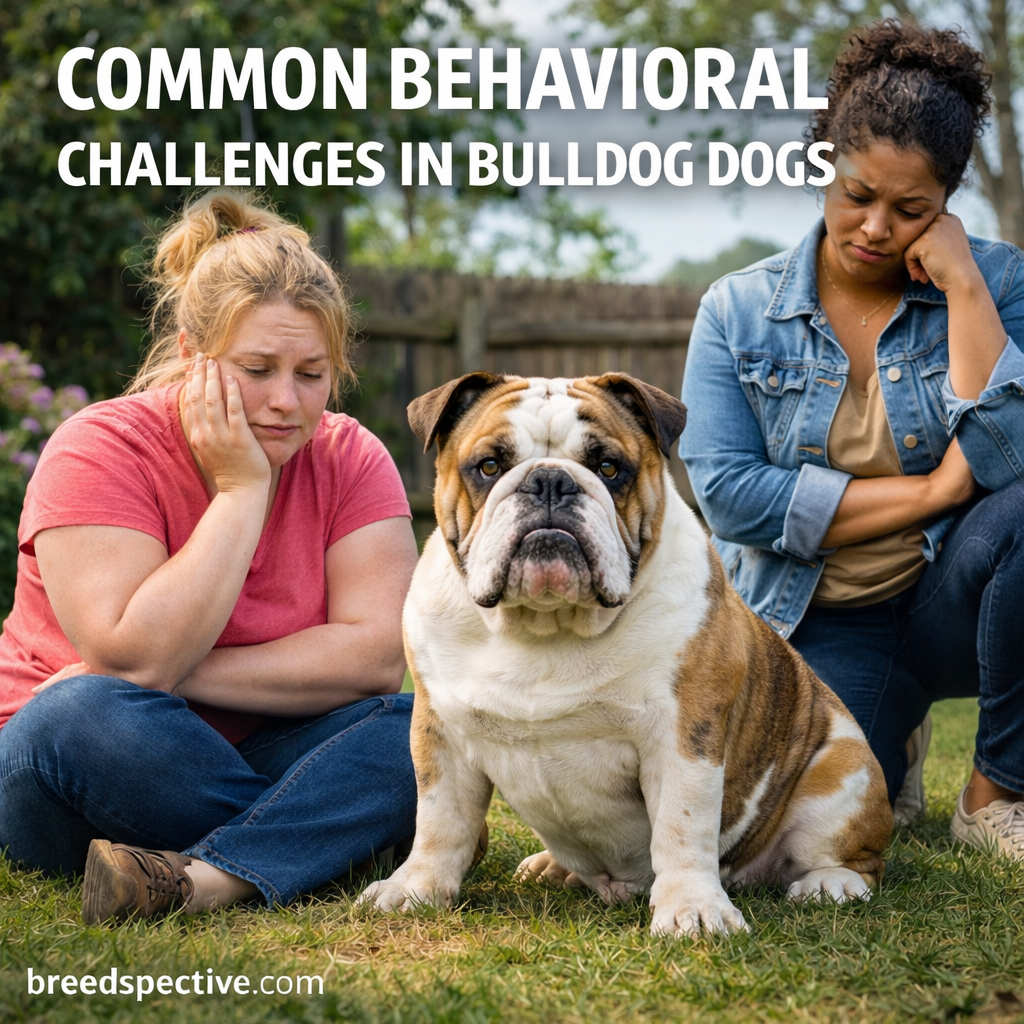
Bulldogs are affectionate, loyal, and famously charming—but like all breeds, they come with their own set of behavioral challenges. Many of these issues are closely tied to the Bulldog’s history, physical structure, and temperament. Understanding why these behaviors occur is the key to managing them effectively and building a calm, well-adjusted companion.
This guide explores the most common behavioral challenges in Bulldogs, why they happen, and how owners can address them with patience and consistency.
Stubbornness and Selective Listening
Bulldogs are intelligent, but they are also known for being stubborn. This isn’t a lack of intelligence—it’s a strong independent streak.
Common signs include:
- Ignoring commands they already know
- Refusing to move or comply when uninterested
- Responding only when motivated
This trait comes from their historical role, which required determination rather than obedience. Bulldogs respond best to positive reinforcement, short training sessions, and clear incentives like treats or praise.
Low Motivation for Exercise
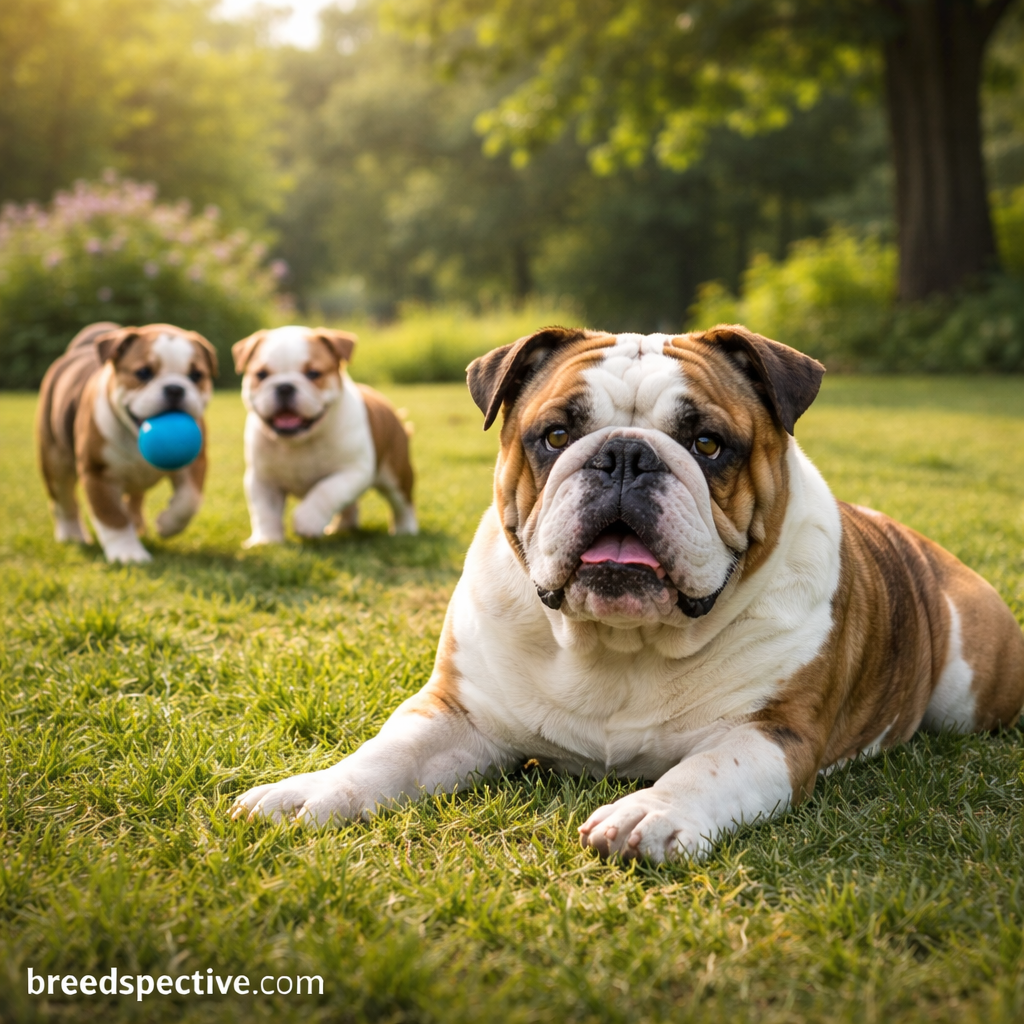
Many Bulldog behavior issues stem from low energy levels or physical limitations rather than disobedience.
You may notice:
- Reluctance to walk long distances
- Avoidance of play during warm weather
- Short bursts of activity followed by rest
Because Bulldogs tire easily, especially in heat, owners should focus on brief, engaging activities rather than prolonged exercise. Mental stimulation often works better than physical exertion.
Separation Anxiety
Bulldogs form strong bonds with their owners and often struggle when left alone.
Signs of separation anxiety include:
- Whining or barking when alone
- Destructive chewing
- Following owners constantly when home
This behavior is rooted in their companion-oriented nature. Gradual alone-time training, predictable routines, and providing safe comfort items can help reduce anxiety over time.
Possessiveness and Resource Guarding
Some Bulldogs may become possessive over food, toys, or favorite resting spots.
This can look like:
- Growling when approached during meals
- Guarding toys or chews
- Tension around other pets near valued items
Early socialization and consistent boundaries are essential. Teaching Bulldogs that resources are not threatened—and that good things come from sharing space—helps prevent escalation.
Reactivity Toward Other Dogs
While many Bulldogs are friendly, some display reactivity, especially toward unfamiliar dogs.
Common triggers include:
- Leash frustration
- Lack of early socialization
- Feeling physically vulnerable due to size or breathing limitations
Controlled introductions, calm environments, and confidence-building experiences can significantly reduce reactive behavior.
Attention-Seeking Behaviors
Bulldogs love human interaction and may act out when they feel ignored.
Typical behaviors include:
- Pawing or nudging for attention
- Vocalizing or grumbling
- Interrupting work or rest time
These behaviors are often unintentionally reinforced. Ignoring attention-seeking actions while rewarding calm behavior helps reset expectations.
House Training Challenges
Bulldogs can be slower to house train compared to some other breeds.
Common difficulties:
- Inconsistent bathroom habits
- Accidents during routine changes
- Resistance to outdoor bathroom trips in bad weather
Patience, consistency, and routine are critical. Bulldogs respond best to structured schedules rather than punishment-based corrections.
Sensitivity to Stress and Overstimulation
Bulldogs can become overwhelmed easily, especially in loud or chaotic environments.
Stress-related behaviors may include:
- Heavy panting or pacing
- Withdrawal or shutdown
- Irritability
Creating a predictable home environment and allowing Bulldogs to retreat to quiet spaces helps them self-regulate.
Final Thoughts
Bulldogs are deeply affectionate dogs whose behavioral challenges often stem from their history, physical traits, and emotional sensitivity—not from defiance or lack of intelligence. With positive reinforcement, clear routines, and realistic expectations, most Bulldog behavior issues can be successfully managed.
Understanding your Bulldog’s limits and motivations allows you to work with the breed’s nature rather than against it—resulting in a calmer, happier companion and a stronger bond.