

Beagles are lovable, curious, and full of personality—but they also come with a unique set of behavioral challenges. Bred as scent hounds, Beagles are driven by their noses and pack instincts, which can sometimes clash with modern household expectations. Understanding these common behavior issues helps owners respond with patience, structure, and effective training.
This guide explores the most common behavioral challenges in Beagle dogs and explains why they occur—along with practical ways to manage them.
Excessive Barking and Baying
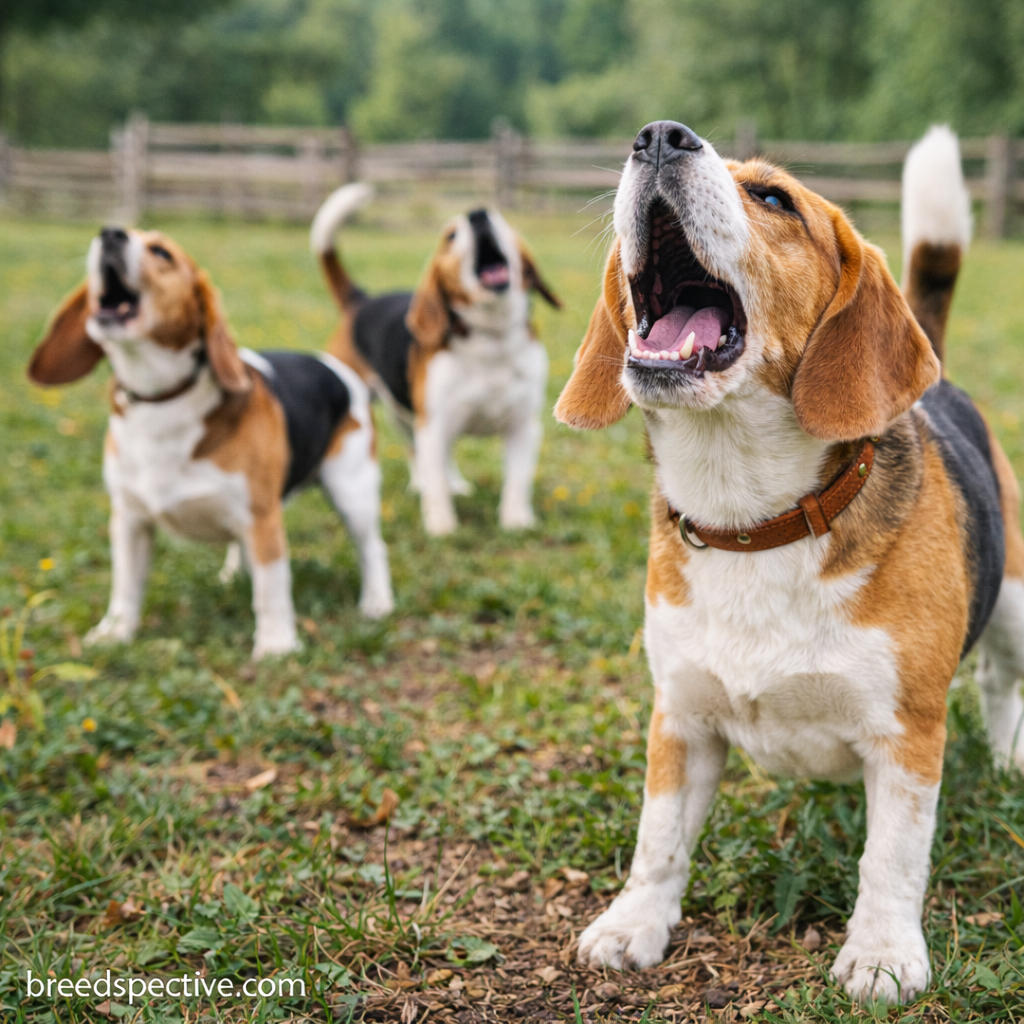
Beagles are naturally vocal dogs. Their distinctive bay was developed to help hunters locate them during scent tracking.
Why Beagles bark or bay:
- Following an interesting scent
- Excitement or frustration
- Loneliness or boredom
- Alerting owners to activity
This behavior can become problematic in quiet neighborhoods or apartments.
How to manage it:
- Provide sufficient daily exercise
- Use mental stimulation to reduce boredom
- Avoid reinforcing barking with attention
- Train a “quiet” cue using positive reinforcement
Following Scents and Wandering Off
One of the most common Beagle challenges is their tendency to follow scents without regard for surroundings.
Why it happens:
- Extremely strong sense of smell
- Instinct to track and pursue
- Difficulty disengaging once focused
This can lead to wandering, escaping yards, or ignoring recall commands.
Management tips:
- Always use a leash or secure fenced area
- Practice recall training in low-distraction environments
- Use scent-based games as controlled outlets
Stubbornness During Training
Beagles are intelligent, but their independence can be mistaken for stubbornness.
Training challenges include:
- Selective listening when distracted
- Prioritizing smells over commands
- Losing focus during repetitive training
They respond best to motivation rather than force.
How to improve training success:
- Use high-value food rewards
- Keep sessions short and engaging
- Train in distraction-free environments first
- Be patient and consistent
Separation Anxiety and Loneliness
Beagles are pack-oriented dogs that dislike being alone for long periods.
Common signs include:
- Excessive barking or howling
- Destructive behavior
- Pacing or restlessness
- Attempts to escape
This behavior often worsens when Beagles are left alone without stimulation.
Ways to reduce anxiety:
- Gradually increase alone time
- Provide enrichment toys when away
- Maintain consistent routines
- Consider companionship from another dog
Destructive Chewing
When bored or anxious, Beagles may chew furniture, shoes, or household items.
Why chewing occurs:
- Excess energy
- Teething in puppies
- Stress or frustration
Chewing is a natural behavior—but it needs proper outlets.
Prevention strategies:
- Offer durable chew toys
- Rotate toys to maintain interest
- Increase exercise and play
- Supervise and redirect inappropriate chewing
Food Obsession and Counter Surfing
Beagles are highly food-motivated, which can lead to scavenging behaviors.
Common food-related issues:
- Stealing food from counters
- Begging persistently
- Eating non-food items
This behavior stems from their hunting and foraging instincts.
How to manage food obsession:
- Keep food securely stored
- Avoid feeding table scraps
- Use puzzle feeders to slow eating
- Train impulse control commands
Digging Behavior
Digging is another instinct-driven behavior, especially when Beagles are bored or scent-driven.
Reasons Beagles dig:
- Searching for smells
- Releasing excess energy
- Cooling off in warm weather
Unmanaged digging can damage yards or landscaping.
Solutions include:
- Providing designated digging areas
- Increasing physical and mental activity
- Supervising outdoor time
Reactivity to Smells and Sounds
Beagles can become overly excited or reactive when exposed to strong stimuli.
Triggers may include:
- Wildlife scents
- Other dogs
- Loud or unfamiliar noises
This can lead to pulling on the leash or ignoring commands.
Management tips:
- Use harnesses for better control
- Practice calm exposure training
- Reward focus on the handler
Why These Behaviors Are Normal for Beagles
Most Beagle behavior issues are not signs of a “bad dog.” They are natural expressions of the breed’s history and purpose.
Key factors influencing behavior:
- Scent-hound genetics
- Pack-oriented nature
- High curiosity and energy
Understanding this helps owners respond with empathy rather than frustration.
When to Seek Professional Help
If behavioral challenges become overwhelming, professional guidance can help.
Consider help if:
- Behavior is escalating or aggressive
- Anxiety is severe
- Training progress stalls
Certified trainers or behaviorists can provide tailored solutions.
Final Thoughts
Beagles are joyful, intelligent dogs—but their instincts can create challenges without proper guidance. Excessive barking, wandering, stubbornness, and food obsession are all manageable when owners understand the “why” behind the behavior.
With patience, structure, and consistent training, Beagle behavior challenges can be transformed into strengths—allowing these curious, affectionate dogs to thrive as loving companions.