
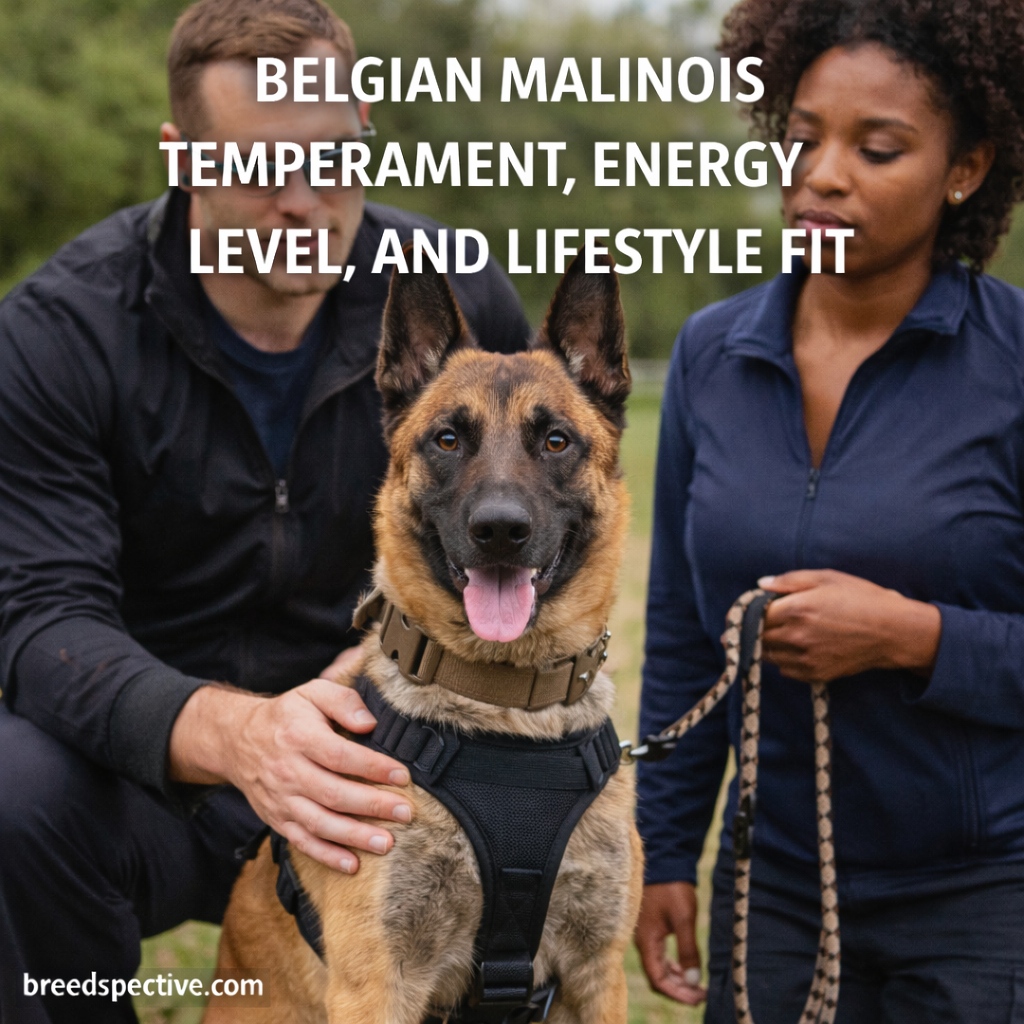
The Belgian Malinois is an elite working dog known for intensity, intelligence, and unmatched drive. Frequently used in police, military, and protection roles, this breed is not a casual companion. While incredibly loyal and capable, the Belgian Malinois requires a very specific lifestyle to thrive.
Understanding the breed’s temperament, energy level, and daily needs is essential before deciding if a Malinois is the right fit for your home.
Belgian Malinois Temperament Overview
Belgian Malinois are confident, alert, and highly driven dogs. Their temperament reflects generations of purposeful breeding for work that demands focus, speed, and resilience.
Core temperament traits include:
- Extremely intelligent and quick-learning
- Highly alert and environmentally aware
- Strong work ethic and task orientation
- Loyal and protective toward handlers
- Intense focus with minimal downtime
Malinois are not typically aggressive without cause, but they are serious dogs that assess situations quickly and respond decisively.
Intelligence and Trainability
Belgian Malinois rank among the most intelligent dog breeds in the world. They learn commands rapidly and excel at complex, multi-step tasks.
Training characteristics include:
- Fast learning with consistent structure
- Strong response to clear leadership
- High sensitivity to handler cues and energy
- Ability to generalize training across environments
Because of their intelligence, Malinois also learn bad habits quickly. Inconsistent rules, unclear boundaries, or lack of engagement can lead to problematic behaviors.
Energy Level: Extremely High
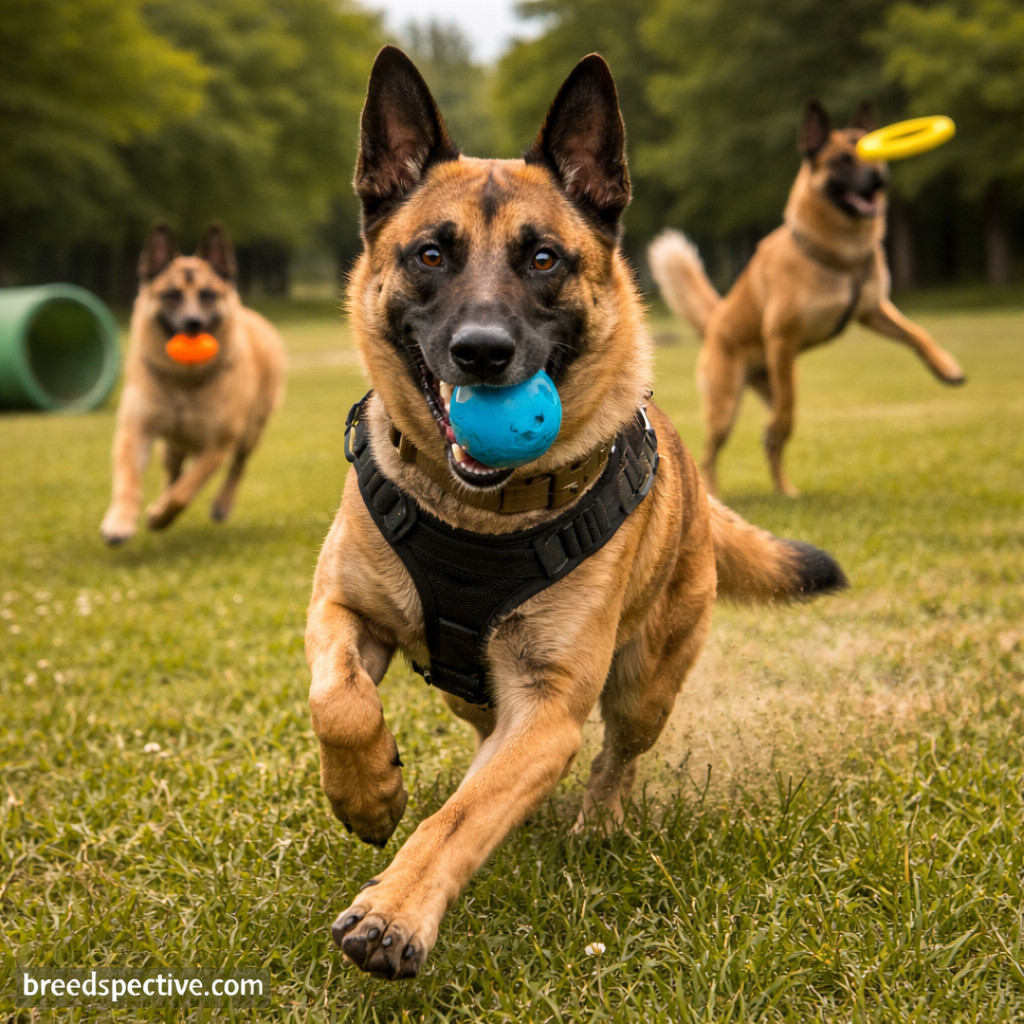
The Belgian Malinois has one of the highest energy levels of any dog breed. This is not a dog that can be satisfied with casual walks or occasional play.
Typical energy traits include:
- Needs multiple hours of activity daily
- Requires structured exercise, not free roaming
- Thrives on intensity and purpose
- Remains energetic well into adulthood
Most Malinois need a combination of physical exertion and mental work every single day to remain balanced.
Mental Stimulation Requirements
Mental stimulation is just as important—if not more so—than physical exercise for this breed.
Effective mental outlets include:
- Advanced obedience and skill training
- Protection sports or working tasks
- Scent detection and tracking exercises
- Problem-solving and handler-focused games
Without adequate mental engagement, Malinois often develop anxiety, reactivity, or destructive behaviors.
Protective Instincts and Guarding Behavior
Belgian Malinois are naturally protective and highly attuned to perceived threats.
This may show as:
- Strong territorial awareness
- Intense focus on unfamiliar people or environments
- Readiness to intervene when sensing danger
Proper socialization and training are critical. Without guidance, protective instincts can escalate into reactivity or inappropriate guarding.
Social Behavior With People
Malinois typically bond closely with one primary handler rather than spreading affection evenly.
Social tendencies include:
- Deep loyalty to their person
- Reserved behavior around strangers
- Preference for purposeful interaction over casual affection
They are not typically “cuddly” dogs, though they are deeply connected and attentive to their handler’s presence.
Interaction With Children and Other Pets
This breed requires careful consideration in family environments.
Potential challenges include:
- High prey drive around small animals
- Intense play style that may overwhelm children
- Herding or chasing behaviors
Malinois can coexist with children and other pets, but only with strong supervision, training, and clear boundaries. They are generally better suited to adult households or experienced handlers.
Lifestyle Fit: Who Is a Belgian Malinois For?
Belgian Malinois are not beginner dogs. They thrive with owners who treat dog ownership as an active, daily commitment.
Ideal owners include:
- Experienced dog handlers
- Working professionals in security, sport, or training
- Highly active individuals with structured routines
- Owners committed to daily training and exercise
They are poorly suited for:
- Sedentary lifestyles
- First-time dog owners
- Long workdays without engagement
- Apartment living without intensive activity plans
This breed needs a job—real or simulated—to remain stable.
Living Environment Considerations
While Malinois can adapt to various environments, structure matters more than space alone.
Best environments include:
- Secure, well-managed property
- Predictable daily routines
- Access to training facilities or working outlets
A large yard alone is not enough. Without interaction and purpose, even spacious environments fail to meet their needs.
Common Behavioral Challenges
When a Malinois’ needs are unmet, issues can develop quickly.
Common challenges include:
- Hypervigilance and anxiety
- Destructive behavior
- Reactivity toward movement or noise
- Obsessive behaviors
These issues are usually the result of under-stimulation, not poor temperament.
Why This Breed Is Often Misunderstood
The Belgian Malinois is sometimes chosen for its impressive reputation without understanding the daily reality.
Misunderstandings include:
- Confusing loyalty with low-maintenance companionship
- Underestimating exercise and training demands
- Assuming obedience comes without daily work
This breed is exceptional—but only in the right hands.
Final Thoughts: Is the Belgian Malinois Right for You?
The Belgian Malinois is one of the most capable working dogs in the world. With the right handler, they are loyal, focused, and extraordinarily effective. With the wrong lifestyle, they can become overwhelmed and difficult to manage.
If you’re seeking:
- A high-drive working partner
- Daily engagement and challenge
- A dog that thrives on structure and purpose
The Belgian Malinois may be an outstanding fit. If you want a relaxed, low-demand companion, this breed is likely not the right choice.