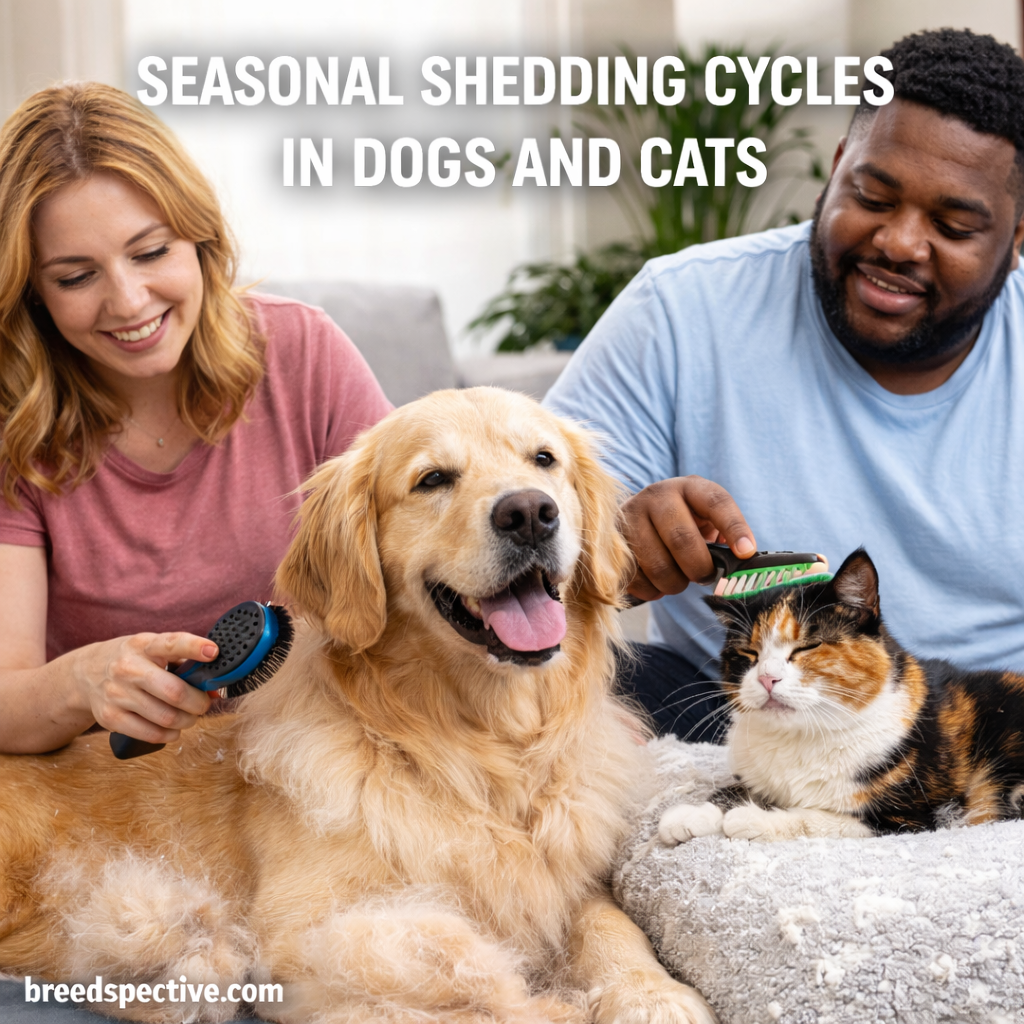
Shedding is a natural and healthy process for both dogs and cats. While some pets shed lightly year-round, many experience noticeable seasonal shedding cycles that can catch owners off guard. Understanding why shedding happens, when it peaks, and how to manage it can make coat care far easier and less stressful for both pets and their families.
This guide explains seasonal shedding cycles in dogs and cats, what influences them, and how to adjust grooming routines throughout the year.
What Is Seasonal Shedding?
Seasonal shedding refers to the natural process where pets lose old or damaged fur to make room for new coat growth. This process is influenced primarily by changes in daylight rather than temperature alone.
As days grow longer or shorter, hormonal changes trigger the hair growth cycle to shift, resulting in increased shedding during certain times of the year.
When Dogs and Cats Shed the Most
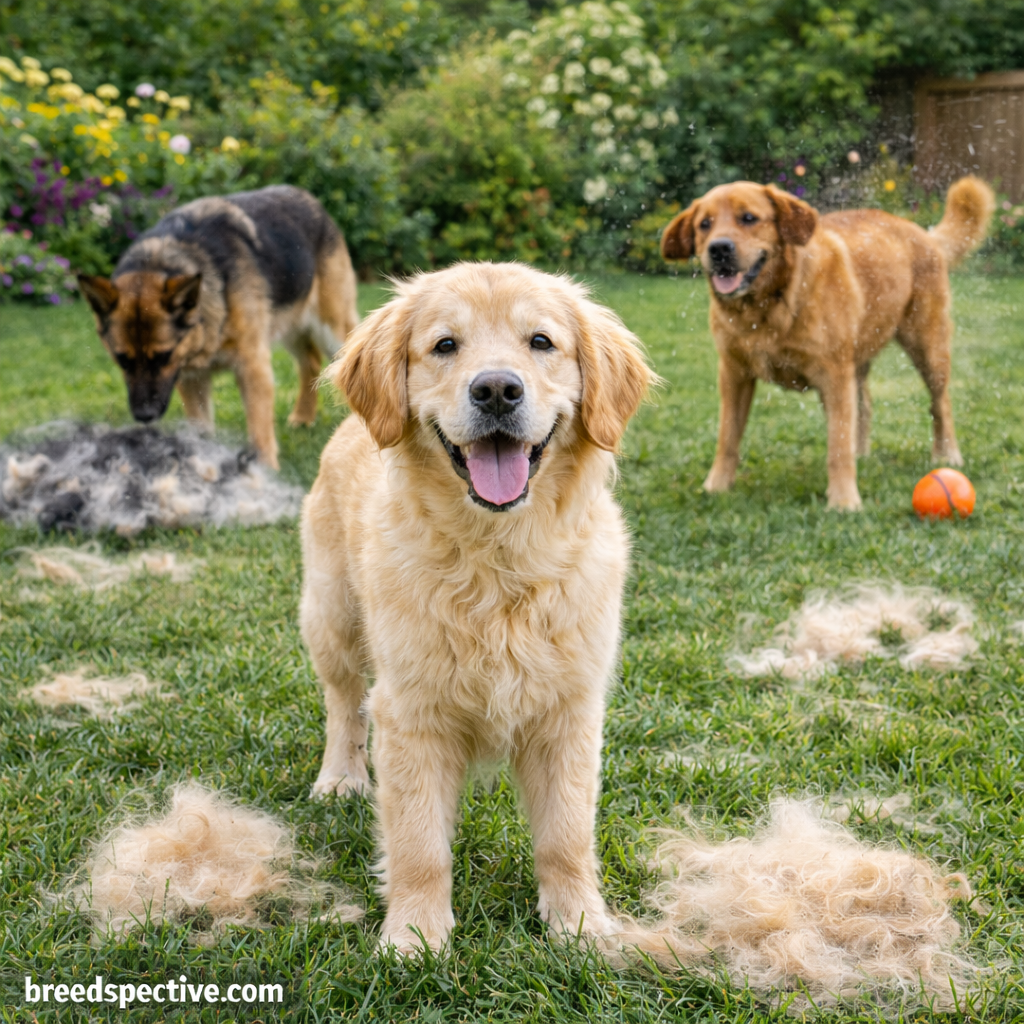
Most dogs and cats experience two major shedding periods each year.
Common Shedding Seasons
- Spring: shedding winter coats to prepare for warmer weather
- Fall: shedding lighter coats to grow thicker winter fur
Indoor pets may shed more evenly throughout the year due to artificial lighting and climate-controlled environments, but seasonal increases still often occur.
Differences Between Dog and Cat Shedding Cycles
Although dogs and cats both shed seasonally, their shedding patterns can differ.
Dogs
- Many breeds shed heavily in spring and fall
- Double-coated dogs experience more dramatic shedding
- Single-coated dogs shed more evenly year-round
Cats
- Most cats shed year-round with seasonal increases
- Short-haired cats shed less visibly than long-haired cats
- Indoor cats may shed consistently due to constant lighting
Breed, coat type, and living environment all influence shedding intensity.
Coat Types and Their Impact on Shedding
A pet’s coat type plays a major role in how noticeable shedding will be.
Common Coat Types
- Short coat: lighter, more frequent shedding
- Long coat: heavier shedding but less frequent
- Double coat: heavy seasonal shedding
- Curly or wiry coat: minimal shedding, more prone to matting
Understanding coat type helps set realistic grooming expectations.
Environmental Factors That Affect Shedding
Several external factors influence how much a pet sheds.
Key Influences
- Daylight exposure
- Indoor lighting
- Temperature stability
- Nutrition quality
- Stress levels
- Overall health
Pets living primarily indoors may shed differently than those spending significant time outdoors.
Nutrition and Seasonal Shedding
Diet has a direct impact on coat health and shedding patterns.
Nutritional Factors That Support Healthy Coats
- High-quality protein
- Omega-3 and omega-6 fatty acids
- Adequate hydration
- Balanced vitamins and minerals
Poor nutrition can lead to excessive shedding, dull coats, or skin irritation regardless of season.
Grooming During High-Shedding Seasons
Adjusting grooming routines during peak shedding periods can significantly reduce loose hair in the home.
Grooming Tips for Shedding Seasons
- Brush more frequently during spring and fall
- Use tools suited to coat type
- Brush before bathing to remove loose fur
- Bathe only as needed to avoid skin dryness
Regular grooming helps remove dead hair before it spreads throughout the home.
Managing Shedding in Indoor Pets
Indoor pets often shed year-round due to stable lighting and temperatures.
Indoor Shedding Management
- Maintain consistent grooming schedules
- Use air purifiers to reduce airborne hair
- Vacuum and wash bedding regularly
- Monitor humidity levels to prevent dry skin
Indoor shedding is normal and not a sign of poor health.
When Shedding May Signal a Problem
While shedding is normal, excessive or sudden hair loss may indicate an issue.
Warning Signs to Watch For
- Bald patches
- Red, inflamed skin
- Excessive scratching or licking
- Sudden changes in coat texture
- Hair loss outside normal seasonal patterns
If these signs appear, a veterinary evaluation is recommended.
Reducing Shedding Without Stopping It
Shedding cannot be eliminated entirely, but it can be managed effectively.
Best Practices for Shedding Control
- Consistent grooming
- Proper nutrition
- Stress reduction
- Clean living environments
- Regular health checkups
Healthy shedding is a sign that the coat growth cycle is functioning properly.
Final Thoughts
Seasonal shedding cycles are a natural part of life for dogs and cats. By understanding when shedding peaks and what influences it, pet owners can adapt grooming routines and reduce frustration during heavy-shedding periods.
With proper care, nutrition, and grooming, seasonal shedding becomes manageable—and your pet’s coat stays healthy year-round.