
The Pembroke Welsh Corgi is one of the most recognizable herding breeds in the world, known for its short legs, long body, and confident personality. While today they are beloved companions, Pembroke Welsh Corgis were originally bred for demanding farm work. Understanding Pembroke Welsh Corgi history and original purpose helps explain many of the breed’s defining traits, from intelligence and stamina to vocal alertness and herding instincts.
This article explores the origins of the Pembroke Welsh Corgi, the work it was bred to perform, and how its history continues to shape the breed today.
Origins of the Pembroke Welsh Corgi
The Pembroke Welsh Corgi originated in Wales, where small, sturdy herding dogs were essential to rural life. Historical records suggest the breed dates back over a thousand years.
The name itself reflects its background:
- “Welsh” refers to its country of origin
- “Corgi” is believed to come from Welsh words meaning dwarf dog
These compact dogs were ideally suited for navigating farms and managing livestock.
Original Purpose: Herding Cattle and Livestock
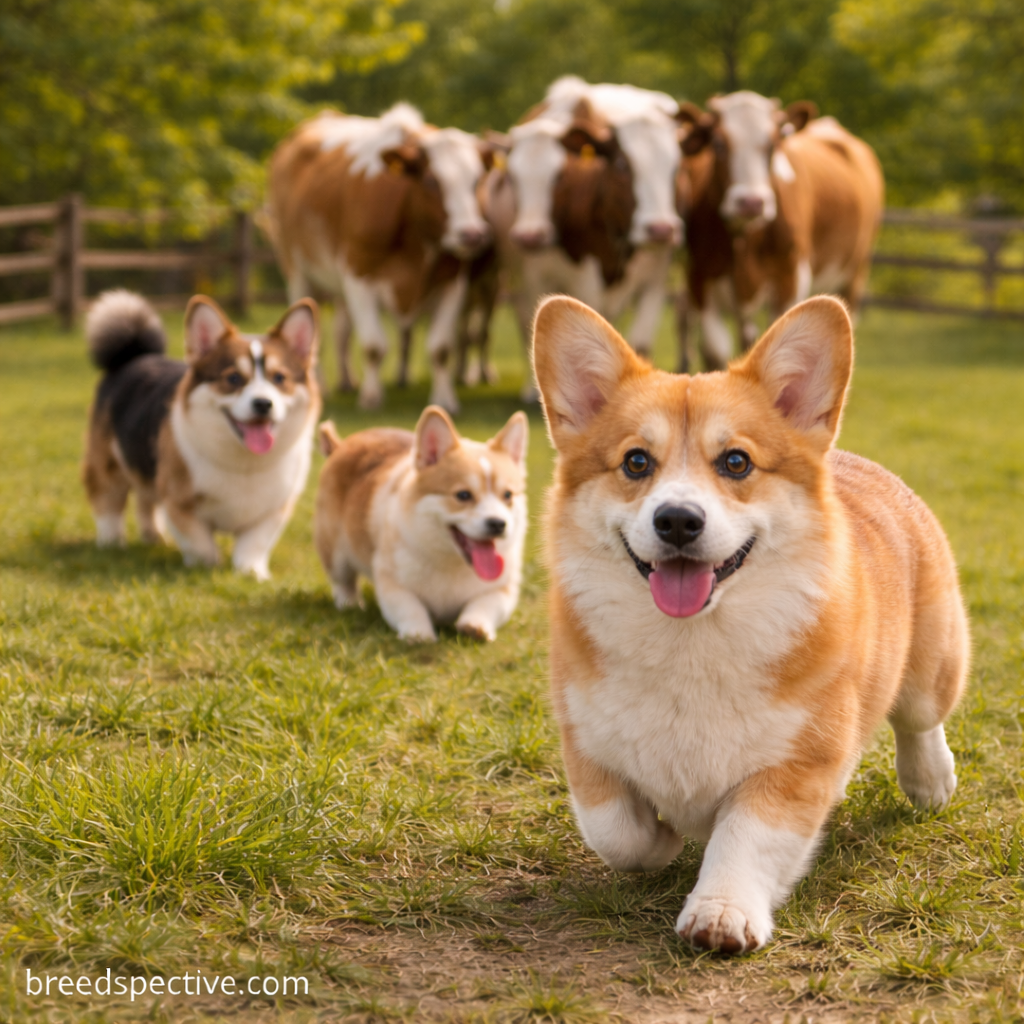
The primary role of the Pembroke Welsh Corgi was herding cattle, sheep, and ponies. Their low stature allowed them to nip at the heels of livestock while staying safely below kicking range.
Key herding responsibilities included:
- Driving cattle across fields and roads
- Moving livestock to market
- Guarding farm property
- Responding quickly to handler commands
Corgis were valued for their courage, intelligence, and efficiency despite their small size.
How Their Physical Build Supported Their Work
Every aspect of the Pembroke Welsh Corgi’s body served a functional purpose on the farm.
Important physical traits include:
- Short legs for avoiding kicks
- Strong hindquarters for quick movement
- Long, low body for agility under livestock
- Thick double coat for weather protection
These features allowed Corgis to work long hours in challenging conditions.
Development of the Pembroke Breed
In Wales, several types of Corgi-like dogs existed. Over time, the Pembroke Welsh Corgi emerged as a distinct type.
Notable differences from related breeds include:
- Naturally short or docked tail
- Slightly lighter build than the Cardigan Welsh Corgi
- More fox-like facial features
Selective breeding helped refine the Pembroke Welsh Corgi into a consistent working breed.
Corgis and Welsh Folklore
Welsh folklore plays a unique role in Corgi history. According to legend, Corgis were favored by fairies and elves.
Folklore stories include:
- Corgis serving as fairy steeds
- Saddle markings on their backs
- Magical origins tied to Welsh landscapes
While symbolic rather than factual, these stories contributed to the breed’s cultural significance.
Transition From Farm Dog to Companion
As farming practices changed, Pembroke Welsh Corgis gradually transitioned from working dogs to household companions.
Key milestones include:
- Recognition by kennel clubs
- Popularity among British royalty
- Increased presence in dog shows
- Growth as family pets
Their intelligence and adaptability helped them thrive in domestic settings.
Influence of Royal Patronage
The breed’s global popularity grew significantly due to royal endorsement.
Historical highlights include:
- Adoption by British royalty
- Increased visibility in public life
- Strong association with loyalty and tradition
This exposure introduced the Pembroke Welsh Corgi to audiences worldwide.
How History Shapes Modern Corgi Behavior
The working history of the Pembroke Welsh Corgi still strongly influences its temperament.
Historical traits seen today include:
- Strong herding instincts
- High intelligence and alertness
- Vocal communication
- Desire for structured activity
Understanding these traits helps modern owners manage behavior effectively.
Pembroke Welsh Corgis in Modern Times
Today, Pembroke Welsh Corgis are primarily companion animals but retain their working-dog mindset.
Modern roles include:
- Family companions
- Obedience and agility competitors
- Therapy and service support roles
Their versatility reflects centuries of purposeful breeding.
Why Understanding Corgi History Matters
Knowing the Pembroke Welsh Corgi’s original purpose helps owners meet their needs more effectively.
Benefits include:
- Improved training strategies
- Better exercise planning
- Reduced frustration with instinctive behaviors
- Stronger human-dog relationships
Breed history offers valuable insight into behavior and care requirements.
Final Thoughts
The Pembroke Welsh Corgi’s history as a fearless, intelligent herding dog explains much of what makes the breed unique today. From Welsh farms to modern living rooms, the Corgi has remained adaptable, hardworking, and deeply loyal.
Understanding Pembroke Welsh Corgi history and original purpose allows owners to appreciate the breed’s heritage and provide an environment where these remarkable dogs can truly thrive.