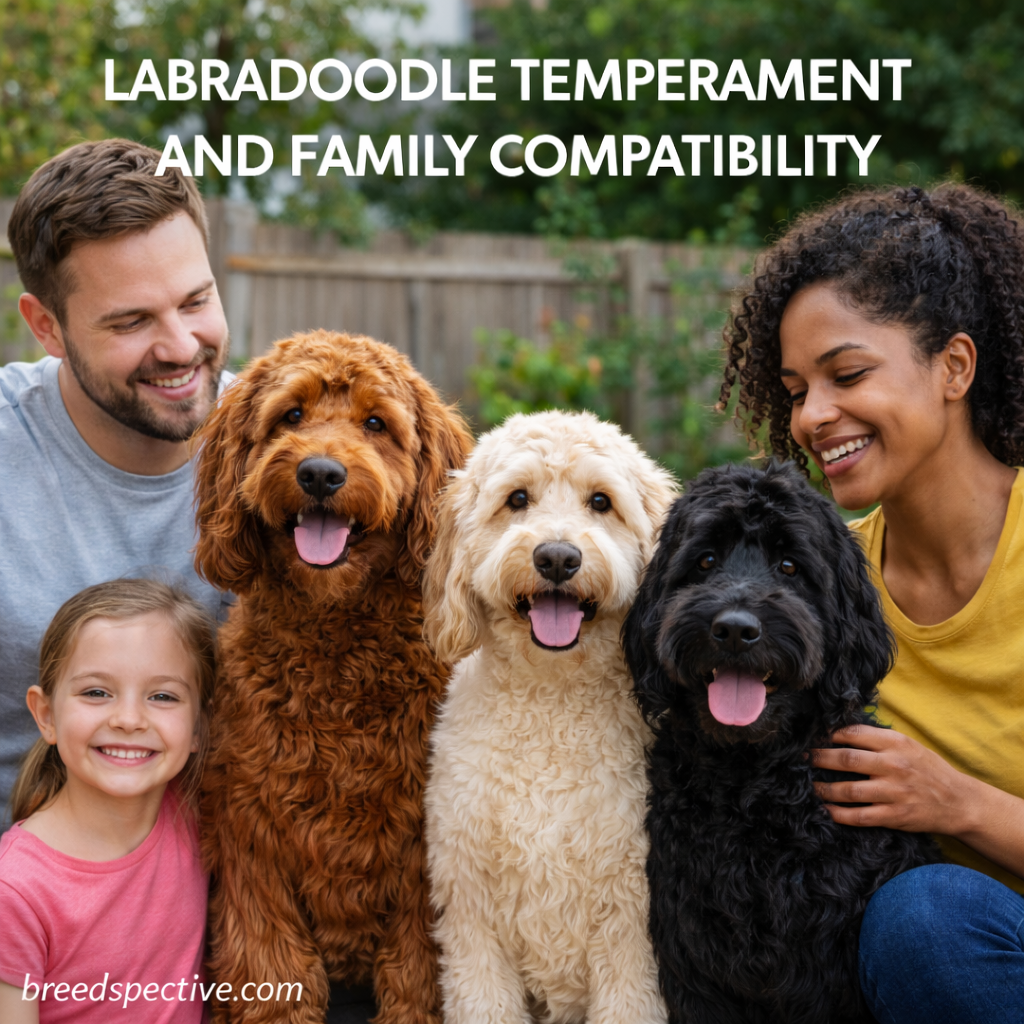
The Labradoodle is one of the most popular mixed-breed dogs in the world, prized for its friendly nature, intelligence, and family-oriented personality. Originally bred as a potential hypoallergenic service dog, the Labradoodle has since become a beloved companion in households of all types.
Understanding the Labradoodle’s temperament and how it fits into family life can help prospective owners determine whether this energetic and affectionate hybrid is the right match for their home.
What Is a Labradoodle?
A Labradoodle is a cross between a Labrador Retriever and a Poodle. Because it is a mixed breed, temperament and traits can vary depending on genetics, breeding practices, and generation.
Common Labradoodle types include:
- First generation (Labrador x Poodle)
- Multigenerational Labradoodles
- Miniature, medium, and standard sizes
While individual personalities vary, most Labradoodles share a similar temperament profile shaped by their parent breeds.
General Labradoodle Temperament
Labradoodles are widely known for being friendly, social, and eager to please. They tend to thrive on human interaction and form strong bonds with their families.
Typical temperament traits include:
- Affectionate and people-oriented
- Intelligent and quick to learn
- Playful and energetic
- Social with strangers
- Emotionally sensitive
Their temperament makes them especially appealing to families seeking a dog that enjoys companionship and daily involvement.
Intelligence and Trainability
Thanks to the high intelligence of both Labradors and Poodles, Labradoodles are generally easy to train. They respond well to positive reinforcement and enjoy learning new tasks.
Training strengths include:
- Strong food and praise motivation
- Quick command recognition
- Willingness to cooperate
- Adaptability to routines
However, their intelligence also means they require mental stimulation to avoid boredom-related behaviors.
Energy Level and Activity Needs
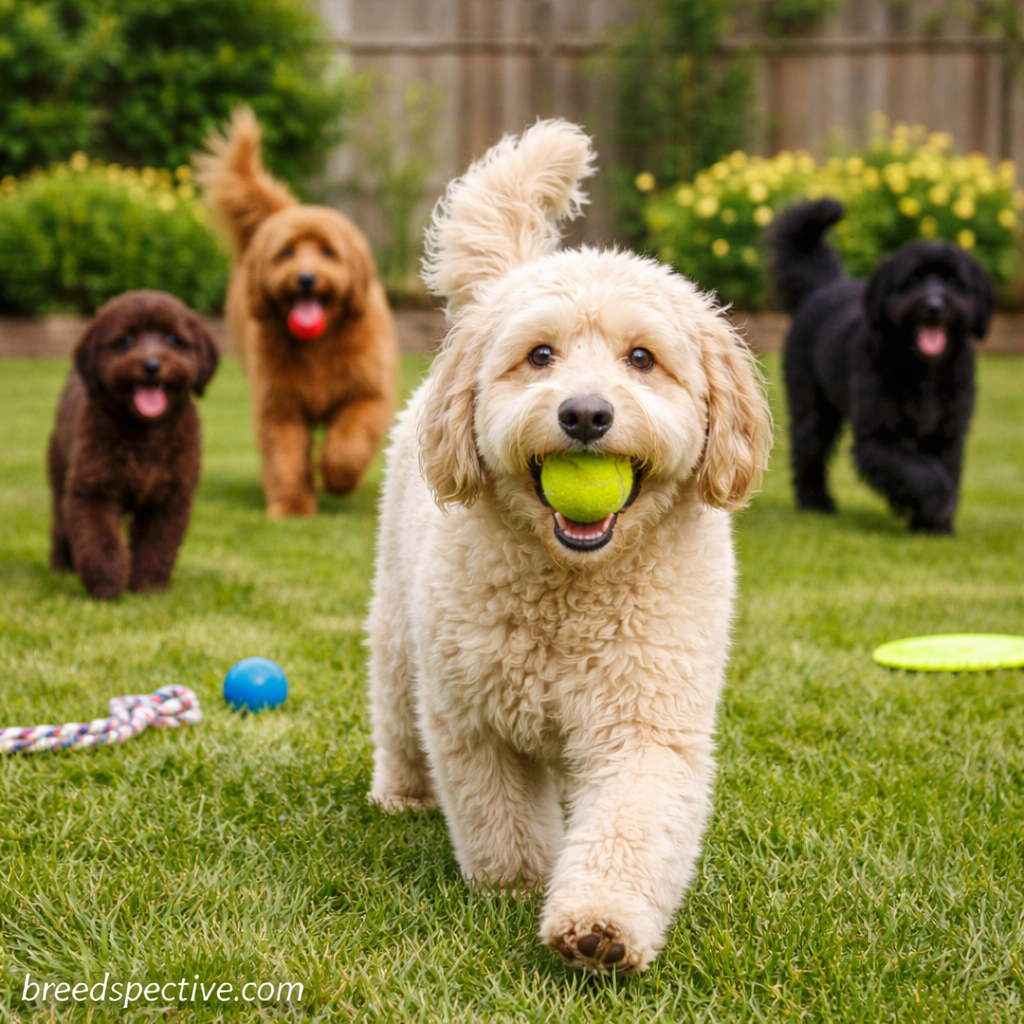
Labradoodles are moderately to highly energetic dogs, especially during puppyhood and adolescence. They benefit from regular exercise and structured activity.
Energy characteristics include:
- Daily need for physical exercise
- Enjoyment of walks, play, and games
- Love of interactive activities
- Calmer behavior after proper stimulation
Without sufficient activity, Labradoodles may become restless or develop unwanted behaviors such as chewing or excessive excitement.
Labradoodles With Children
Labradoodles are often an excellent fit for families with children. Their playful nature and gentle disposition make them patient companions when properly socialized.
Why they do well with kids:
- Tolerant and forgiving temperament
- Enjoy interactive play
- Strong bonding tendencies
- Low aggression when well trained
Supervision and teaching respectful handling are still essential, especially with younger children.
Interaction With Other Pets
Labradoodles typically get along well with other dogs and household pets when introduced properly.
Common multi-pet traits include:
- Friendly dog-to-dog interactions
- Low territorial behavior
- Curiosity rather than hostility
- Adaptability to shared spaces
Early socialization greatly improves compatibility with cats and other animals.
Emotional Sensitivity and Attachment
One defining Labradoodle trait is emotional sensitivity. These dogs often pick up on household moods and may become distressed by tension or prolonged isolation.
Emotional tendencies include:
- Strong attachment to family members
- Desire to stay near people
- Sensitivity to tone and environment
- Potential for separation anxiety if left alone too long
They are best suited to households where someone is home often or where companionship is consistent.
Suitability for First-Time Dog Owners
Labradoodles are frequently recommended for first-time dog owners due to their trainability and friendly nature.
Why they suit beginners:
- Generally forgiving temperament
- Respond well to basic training
- Social and adaptable
- Motivated to please
That said, owners should be prepared for grooming needs and exercise requirements.
Grooming and Shedding Considerations
Coat type varies widely among Labradoodles, influencing grooming needs.
Common coat types include:
- Curly (more Poodle-like)
- Wavy
- Straight (more Labrador-like)
Grooming considerations:
- Regular brushing needed
- Professional grooming every 6–8 weeks
- Shedding varies by coat type
- Not all Labradoodles are hypoallergenic
Families should be prepared for ongoing coat maintenance.
Adaptability to Different Living Environments
Labradoodles are adaptable dogs but thrive best in environments that meet their social and activity needs.
Living environment suitability:
- Houses with yards are ideal
- Apartments possible with sufficient exercise
- Thrive in active households
- Not ideal for long periods of isolation
Mental and physical engagement matter more than space alone.
Common Behavioral Challenges
While generally well-behaved, Labradoodles can develop challenges if their needs are unmet.
Common issues include:
- Jumping due to excitement
- Mouthiness in younger dogs
- Separation anxiety
- Overstimulation in busy environments
Most issues are manageable with consistent training and routine.
Is a Labradoodle a Good Family Dog?
For many families, the Labradoodle is an excellent choice. Their affectionate nature, adaptability, and playful energy make them well-suited to family life.
They are best for families who:
- Enjoy daily interaction with their dog
- Can provide regular exercise
- Value trainability and friendliness
- Are prepared for grooming needs
With proper care, Labradoodles often become deeply bonded, loyal family members.
Final Thoughts
Labradoodles combine many of the best traits of Labradors and Poodles into one versatile, family-friendly companion. Their temperament is affectionate, intelligent, and socially oriented, making them a strong match for households seeking an engaged and loving dog.
While they are not a low-effort breed, families willing to invest time, training, and attention are often rewarded with a joyful, adaptable, and deeply connected companion.