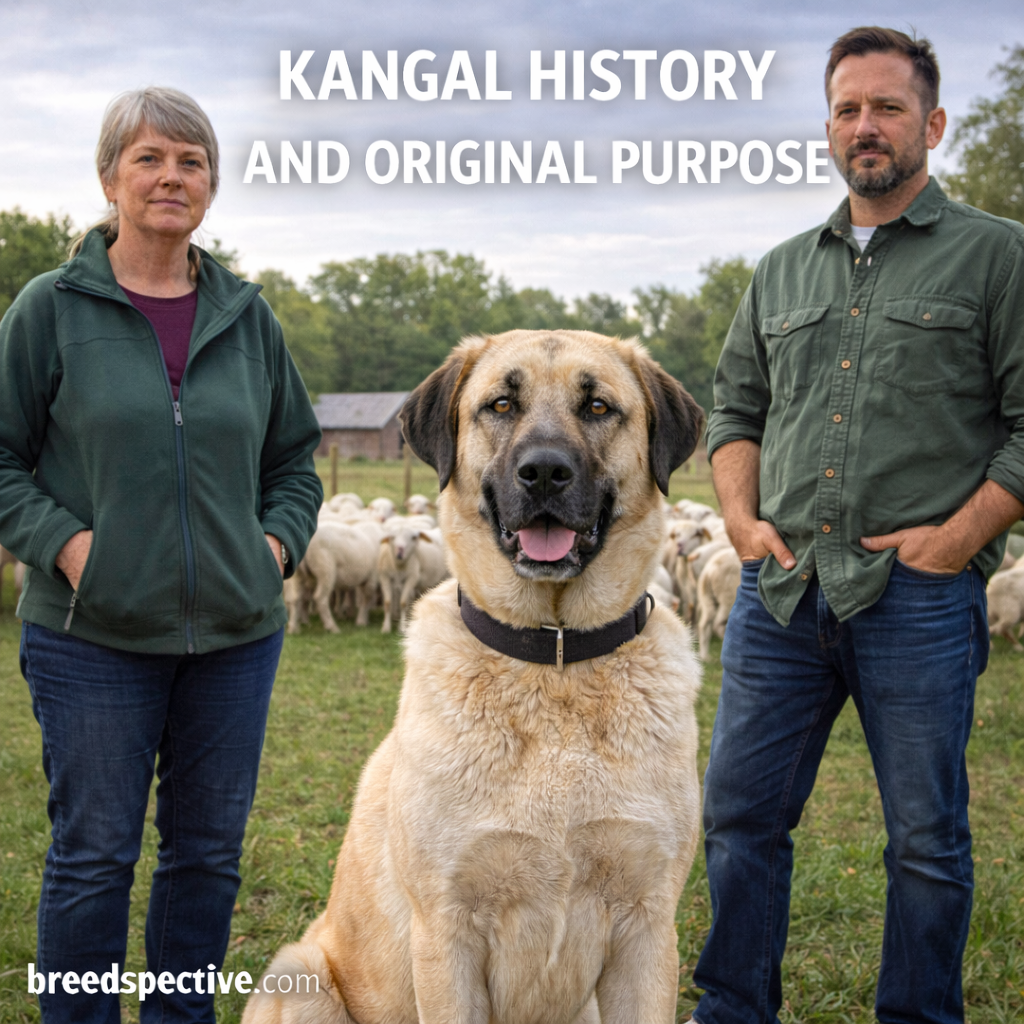
The Kangal is one of the most respected livestock guardian breeds in the world, valued for its strength, independence, and unwavering protective instincts. Developed over centuries for a specific purpose, the Kangal’s history is deeply tied to rural life and animal husbandry. Understanding the breed’s origins and original role provides important insight into its temperament and behavior today.
Origins in Anatolia
The Kangal originated in the Anatolian region of modern-day Turkey, where harsh terrain and predator threats required a dog capable of independent decision-making and physical endurance.
Key factors shaping early development include:
- Remote rural environments
- Frequent threats from wolves and other predators
- Nomadic and agricultural lifestyles
- Minimal human supervision during work
These conditions favored dogs that were calm, self-reliant, and fearless when defending livestock.
Role as a Livestock Guardian
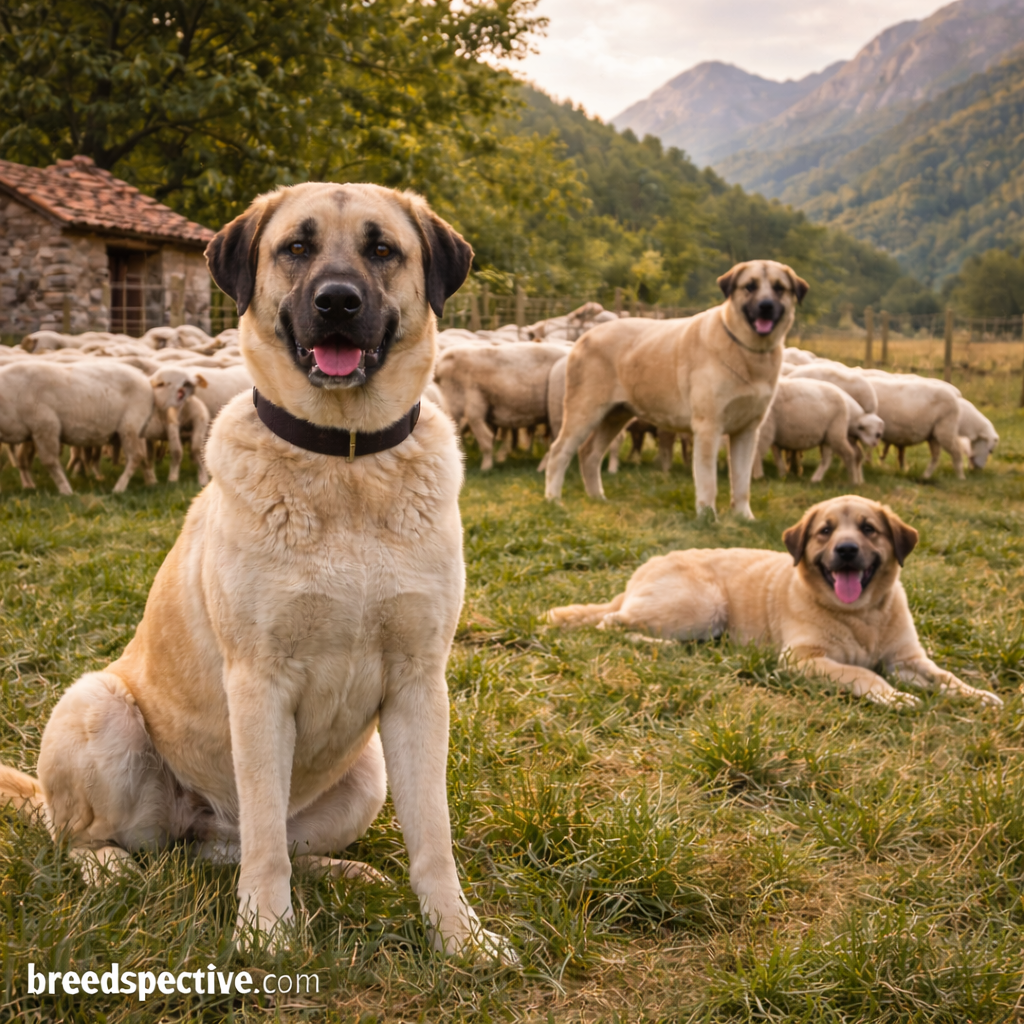
The Kangal was bred primarily to protect sheep and goats rather than herd them. Unlike herding breeds that respond constantly to commands, Kangals worked autonomously.
Traditional guardian duties included:
- Patrolling grazing areas
- Deterring predators through presence
- Confronting threats when necessary
- Remaining alert day and night
This role required sound judgment, restraint, and the ability to assess real danger without constant human input.
Relationship With Shepherds and Livestock
Kangals formed close bonds with both the animals they protected and the shepherds who relied on them.
Their working relationship involved:
- Living full-time with livestock
- Responding to threats without prompting
- Accepting minimal direction
- Showing loyalty through action rather than obedience
Trust was earned through performance rather than training drills.
Physical Traits Shaped by Purpose
The Kangal’s physical characteristics were shaped by function, not appearance.
Key traits developed for protection include:
- Large, muscular build
- Thick skin and dense coat
- Strong jaws and bite strength
- Speed and stamina for pursuit
Each feature contributed directly to survival and effectiveness in the field.
Cultural Significance in Turkey
In Turkey, the Kangal is considered a national treasure and symbol of rural heritage.
Cultural importance includes:
- Strong regional pride
- Protection of the breed’s bloodline
- Restrictions on export
- Recognition as a working dog rather than a show breed
This cultural value helped preserve the breed’s original traits over time.
Preservation and Breed Integrity
Efforts to protect the Kangal’s working ability have focused on preserving temperament and structure rather than exaggerating features.
Preservation priorities include:
- Maintaining strong guardian instincts
- Avoiding over-domestication
- Preventing crossbreeding
- Ensuring physical and mental soundness
These efforts help keep the breed true to its original purpose.
Expansion Beyond Turkey
As interest in livestock guardian dogs grew globally, Kangals began appearing in other countries.
This expansion led to:
- Use in predator control programs
- Introduction to ranches and farms worldwide
- Increased demand as a guardian breed
- Ongoing debates about breed classification
Despite wider distribution, the Kangal remains most effective when used for its original role.
Original Purpose vs. Modern Use
While some Kangals are now kept as companions, their historical purpose continues to influence their behavior.
Originally bred to:
- Guard livestock independently
- Remain calm under pressure
- Confront serious threats
- Work without constant human presence
These traits persist today and must be respected in modern settings.
Why History Matters for Today’s Owners
Understanding the Kangal’s background helps prevent mismatches between the breed and owner expectations.
Historical insight helps owners:
- Appreciate the breed’s independence
- Avoid inappropriate living environments
- Provide meaningful work or purpose
- Respect the dog’s natural instincts
Without this understanding, behavioral challenges are more likely.
Conclusion
The Kangal’s history is one of function, resilience, and purpose. Bred to protect livestock in demanding environments, the breed remains true to its roots. When placed in the right setting with knowledgeable owners, the Kangal continues to excel as one of the world’s most capable livestock guardians.