

Siberian Huskies are intelligent, energetic, and highly social dogs—but they also come with unique behavioral challenges that can surprise unprepared owners. Many of these behaviors are not flaws but natural expressions of a breed developed for endurance, independence, and teamwork. Understanding why these behaviors occur is the first step toward managing them effectively.
High Energy and Restlessness
One of the most common challenges with Siberian Huskies is their extremely high energy level. This breed was designed to travel long distances daily, which means inactivity often leads to frustration.
Common signs of pent-up energy include:
- Destructive chewing
- Excessive digging
- Zooming or pacing
- Difficulty settling indoors
Without sufficient daily exercise, Huskies may create their own stimulation—often in ways owners find problematic.
Escaping and Roaming Behavior
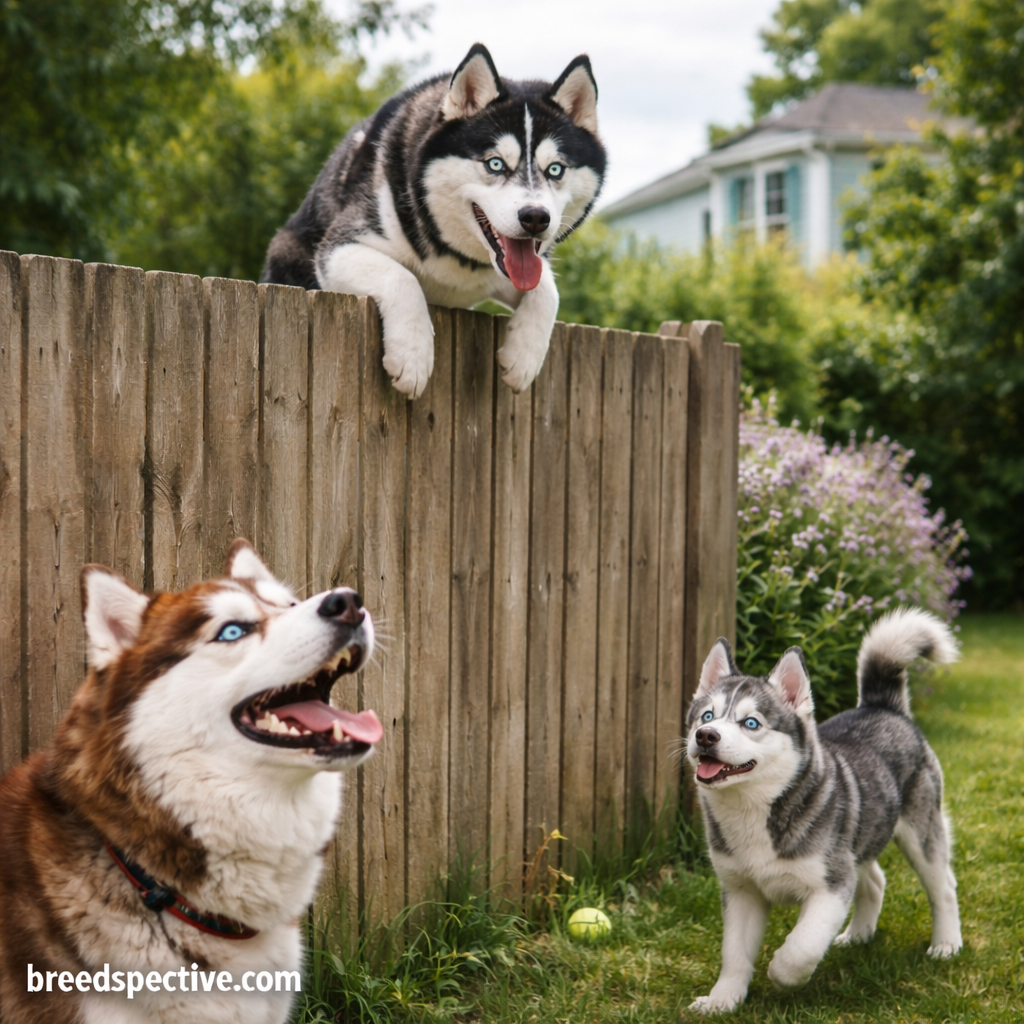
Siberian Huskies are well known for their escape abilities. Their intelligence and curiosity make them skilled at finding weaknesses in fencing or doors.
Typical escape behaviors include:
- Jumping or climbing fences
- Digging underneath barriers
- Slipping out of open gates
- Running off when off-leash
This behavior is tied to their historical need to travel and explore terrain. Secure containment and supervision are essential.
Poor Off-Leash Reliability
Unlike many breeds, Siberian Huskies often struggle with recall. Their independent nature means they may ignore commands if something more interesting captures their attention.
Reasons off-leash issues occur:
- Strong prey drive
- High curiosity
- Independent decision-making
- Environmental distractions
Even well-trained Huskies may not be reliable off-leash outside enclosed areas.
Excessive Vocalization
Siberian Huskies are vocal dogs, but their sounds are unique. Instead of barking, they often howl, talk, or produce expressive noises.
Common vocal behaviors include:
- Howling in response to sounds
- “Talking” to people
- Vocal protests when bored
- Noise during excitement or frustration
While charming to some, vocalization can be challenging in apartments or shared living spaces.
Stubbornness and Training Resistance
Huskies are intelligent but not naturally obedient. This can appear as stubbornness, especially during repetitive or boring training sessions.
Training challenges include:
- Ignoring known commands
- Testing boundaries
- Losing interest quickly
- Selective listening
This behavior reflects their history as problem-solving working dogs rather than command-driven pets.
Destructive Chewing and Digging
When bored or under-stimulated, Siberian Huskies may resort to destructive behaviors.
Common destructive habits include:
- Chewing furniture or shoes
- Digging holes in yards
- Tearing up bedding or toys
- Scratching doors or walls
These behaviors are typically signs of unmet physical or mental needs rather than intentional misbehavior.
Separation-Related Behaviors
Siberian Huskies are highly social and often struggle when left alone for long periods. While not always clinical separation anxiety, they can become distressed without companionship.
Signs of separation-related stress include:
- Howling or whining when alone
- Pacing or restlessness
- Destructive behavior during absences
- Escaping attempts
This breed thrives in homes where someone is around frequently or where they have canine companionship.
Strong Prey Drive
Many Siberian Huskies have a strong instinct to chase small animals. This behavior can be problematic in homes with cats or wildlife nearby.
Prey-driven behaviors may include:
- Chasing squirrels, rabbits, or birds
- Fixation on moving objects
- Difficulty disengaging once triggered
Early training and management are important, but prey drive can rarely be eliminated completely.
Resourcefulness and Problem-Solving Mischief
Huskies are natural problem solvers, which can lead to creative mischief.
Examples include:
- Opening doors or cabinets
- Unlatching gates
- Manipulating objects for access
- Learning routines to exploit gaps
What owners see as troublemaking is often a sign of intelligence without adequate stimulation.
How to Manage Behavioral Challenges
Most Siberian Husky behavioral issues improve when their core needs are met consistently.
Effective management strategies include:
- Daily structured exercise
- Mental stimulation through training and games
- Clear boundaries and routines
- Positive reinforcement training
- Secure fencing and supervision
Consistency and patience are critical. Punishment-based training often worsens behaviors in this breed.
When Professional Help May Be Needed
In some cases, behavioral challenges may escalate beyond basic management.
Consider professional support if you notice:
- Persistent destructive behavior
- Severe escape attempts
- Aggression toward animals
- Extreme anxiety or distress
A qualified trainer or behavior professional familiar with working breeds can provide tailored guidance.
Final Thoughts on Siberian Husky Behavior Challenges
Siberian Huskies are not “difficult dogs” by nature—but they are demanding. Their behavioral challenges stem from intelligence, energy, and independence rather than defiance.
For owners willing to meet those needs, Huskies become loyal, entertaining, and deeply engaging companions. Understanding and respecting their instincts is the key to turning common challenges into manageable traits.