
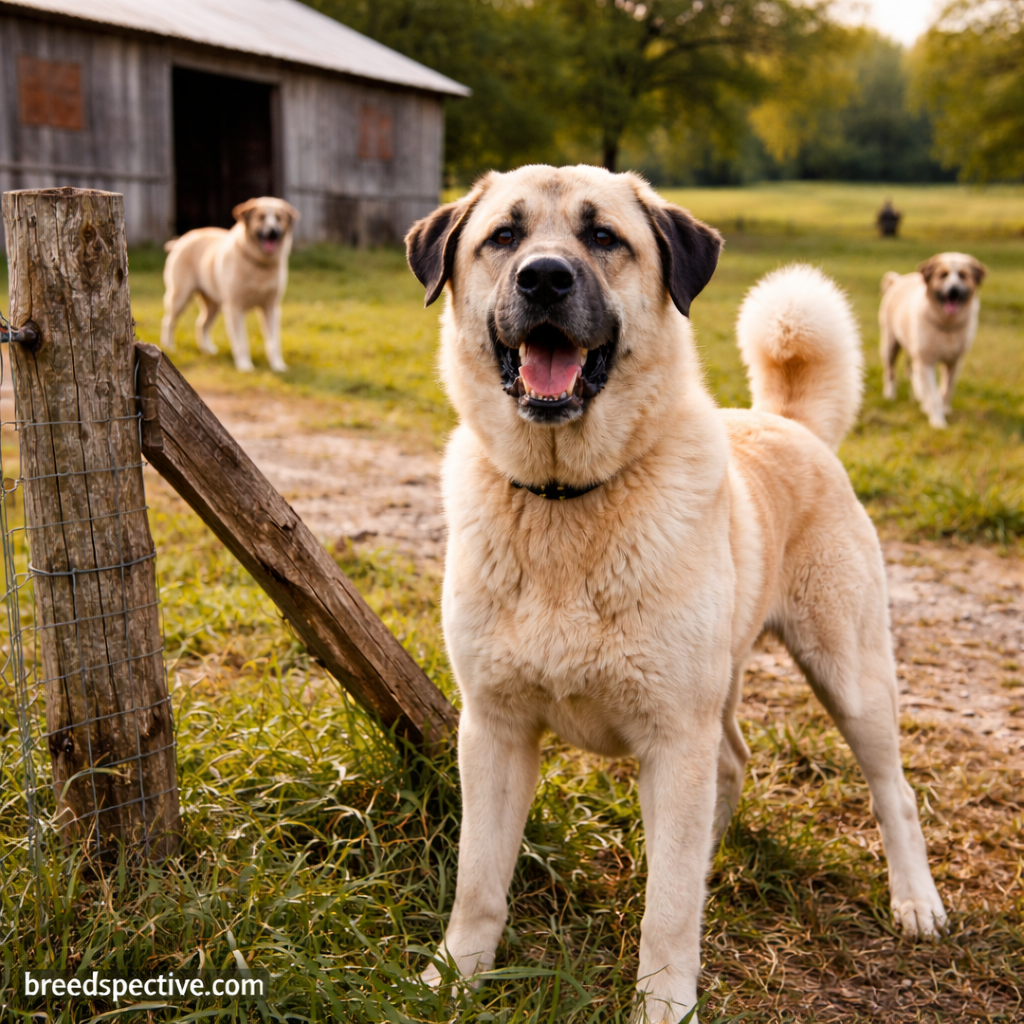
Kangal dogs are powerful, intelligent livestock guardian dogs known for their loyalty, independence, and protective instincts. Bred to guard flocks against predators in harsh environments, their behavior is deeply rooted in purpose-driven genetics.
While Kangals can be exceptional companions in the right setting, their natural traits can also lead to behavioral challenges—especially when their needs are misunderstood. This guide explores the most common behavioral issues seen in Kangal dogs, why they occur, and how owners can manage them responsibly.
Understanding Kangal Behavior at a Glance
Before addressing challenges, it’s important to understand what makes Kangals unique.
Key behavioral foundations include:
- Strong guardian instincts
- High independence and self-confidence
- Low tolerance for perceived threats
- Deep loyalty to territory and family
- Natural decision-making without human input
Many behaviors labeled as “problems” are actually expressions of these instincts in environments that don’t match the breed’s original purpose.
Excessive Guarding and Territorial Behavior
One of the most common challenges with Kangal dogs is intense territorial guarding.
This may appear as:
- Barking or posturing at strangers
- Blocking access to property or family members
- Patrolling fences or boundaries constantly
- Refusing entry to unfamiliar visitors
Because Kangals were bred to protect livestock without human supervision, they naturally assume responsibility for their space. Without clear boundaries and socialization, this behavior can escalate into reactivity.
Aggression Toward Other Dogs
Kangals can be selective or intolerant toward other dogs, particularly those of the same sex.
Common triggers include:
- New dogs entering their territory
- Resource guarding (food, space, owners)
- Challenges to perceived dominance
This is not typically uncontrolled aggression but rather a confident, assertive response rooted in guardian behavior. Early exposure, structured introductions, and firm leadership are critical for managing this tendency.
Strong Prey Drive and Chasing Behavior
Although Kangals are livestock guardians—not herders—they may still display prey-driven behaviors.
This can include:
- Chasing small animals
- Fixating on fast-moving objects
- Difficulty ignoring wildlife
In suburban or rural areas without livestock, this instinct can become misdirected. Secure fencing and controlled environments are essential to prevent dangerous situations.
Independence Mistaken for Stubbornness
Kangals are highly intelligent but not eager-to-please in the way many companion breeds are.
This often looks like:
- Ignoring commands they deem unnecessary
- Slow or selective responses to training
- Testing boundaries during adolescence
This independence is intentional. Kangals were bred to make decisions on their own, not wait for human instruction. Traditional obedience training methods often fail without adaptation.
Low Tolerance for Chaotic Environments
Kangals thrive in calm, structured settings. Overstimulating environments can trigger stress-related behaviors.
Potential issues include:
- Reactivity to loud noises or crowds
- Discomfort around unpredictable children
- Heightened alertness in busy households
When overwhelmed, a Kangal may withdraw, become defensive, or increase guarding behaviors. This breed is better suited to quiet homes with consistent routines.
Destructive Behavior From Understimulation
While not hyperactive, Kangals still require mental engagement and purpose.
When bored, they may:
- Dig extensively
- Damage fencing or gates
- Roam if given the opportunity
These behaviors are often attempts to “work” or patrol. Simply increasing physical exercise is rarely enough—mental fulfillment and responsibility matter more.
Difficulty With Recall and Off-Leash Control
Reliable recall can be challenging with Kangal dogs.
Reasons include:
- Strong instinct to remain on territory
- Low motivation for repetitive commands
- Preference for self-directed movement
Off-leash freedom should only be allowed in secure, controlled environments. Expecting perfect recall in open areas often leads to frustration for both dog and owner.
Overprotectiveness Toward Family Members
Kangals form deep bonds with their family and may become overly protective if not properly guided.
This may show as:
- Standing between owners and others
- Monitoring interactions closely
- Reacting to perceived emotional tension
Clear leadership, calm handling, and consistent social exposure help prevent this behavior from becoming excessive.
Why These Challenges Are Often Misunderstood
Many behavioral issues in Kangals stem from a mismatch between breed purpose and lifestyle.
Common mismatches include:
- Apartment or suburban living
- Inexperienced owners
- Lack of boundaries or structure
- Treating the Kangal as a typical pet
Without recognizing the breed’s guardian mindset, owners may unintentionally reinforce unwanted behaviors.
Managing Behavioral Challenges Effectively
Successful Kangal ownership focuses on guidance, not control.
Best practices include:
- Early and ongoing socialization
- Clear, calm leadership
- Secure property boundaries
- Purpose-driven routines
- Respect for the dog’s independence
Professional trainers experienced with guardian breeds are strongly recommended.
Final Thoughts on Kangal Behavioral Challenges
Kangal dogs are not difficult—they are specialized. Their behavioral challenges are reflections of a breed designed to protect, assess threats, and act independently.
For owners who understand and respect these traits, Kangals can be loyal, stable, and deeply trustworthy companions. For those seeking an easygoing, highly obedient pet, this breed may not be the right fit.