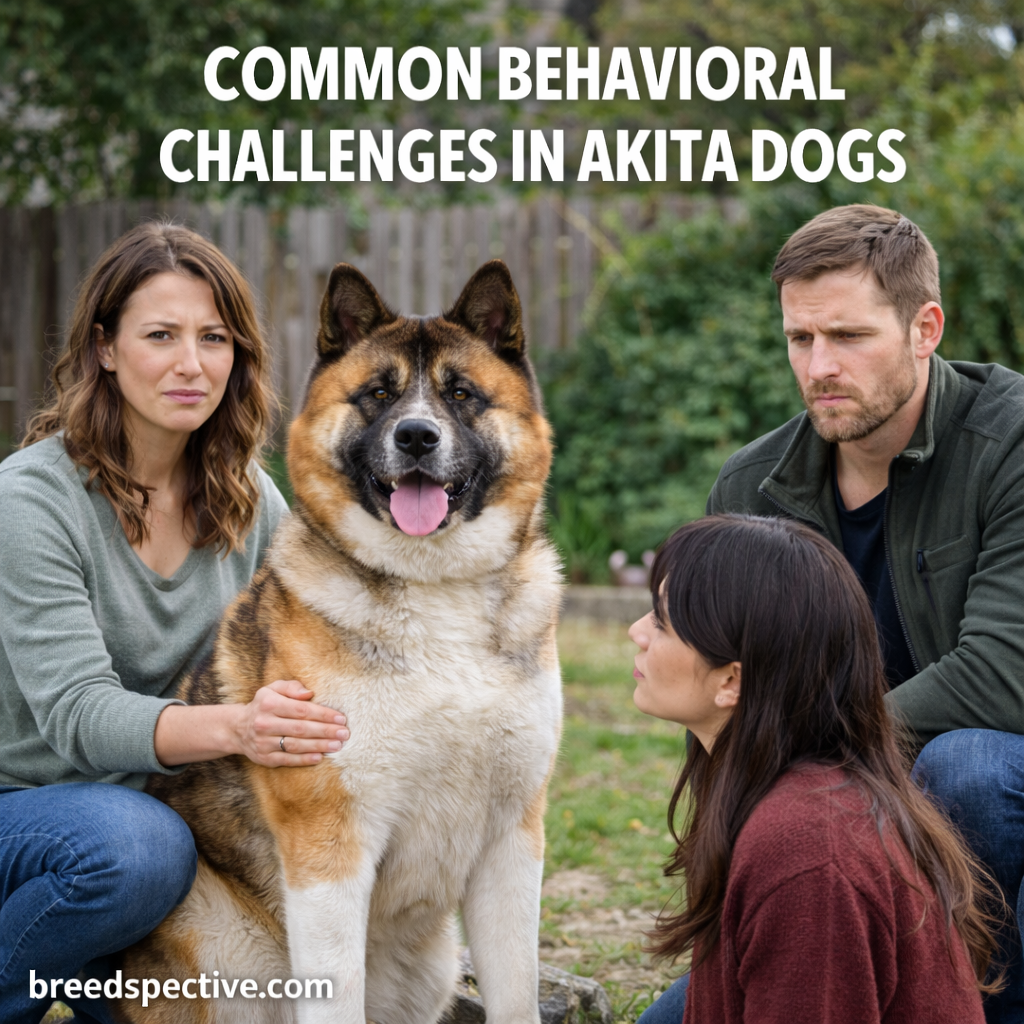
Akitas are intelligent, loyal, and dignified dogs—but they are not an easy breed. Many of the behavioral challenges seen in Akitas are not flaws; they are natural extensions of the breed’s history as an independent hunter and guardian. Problems usually arise when owners expect Akitas to behave like highly social, eager-to-please breeds.
Understanding common Akita behavior issues—and why they happen—can help owners prevent problems before they escalate.
Strong Independence and Selective Obedience
One of the most misunderstood Akita traits is independence. Akitas are capable learners, but they do not blindly obey commands.
Common signs include:
- Ignoring commands they consider unnecessary
- Responding only when motivated
- Pausing to assess situations before acting
This behavior is often mistaken for stubbornness, but it reflects the breed’s original purpose of making decisions without human guidance.
Why it becomes a problem:
- Inconsistent training
- Weak leadership
- Repetitive or boring training methods
Akitas respond best to calm, confident leadership and short, purposeful training sessions.
Same-Sex Dog Aggression
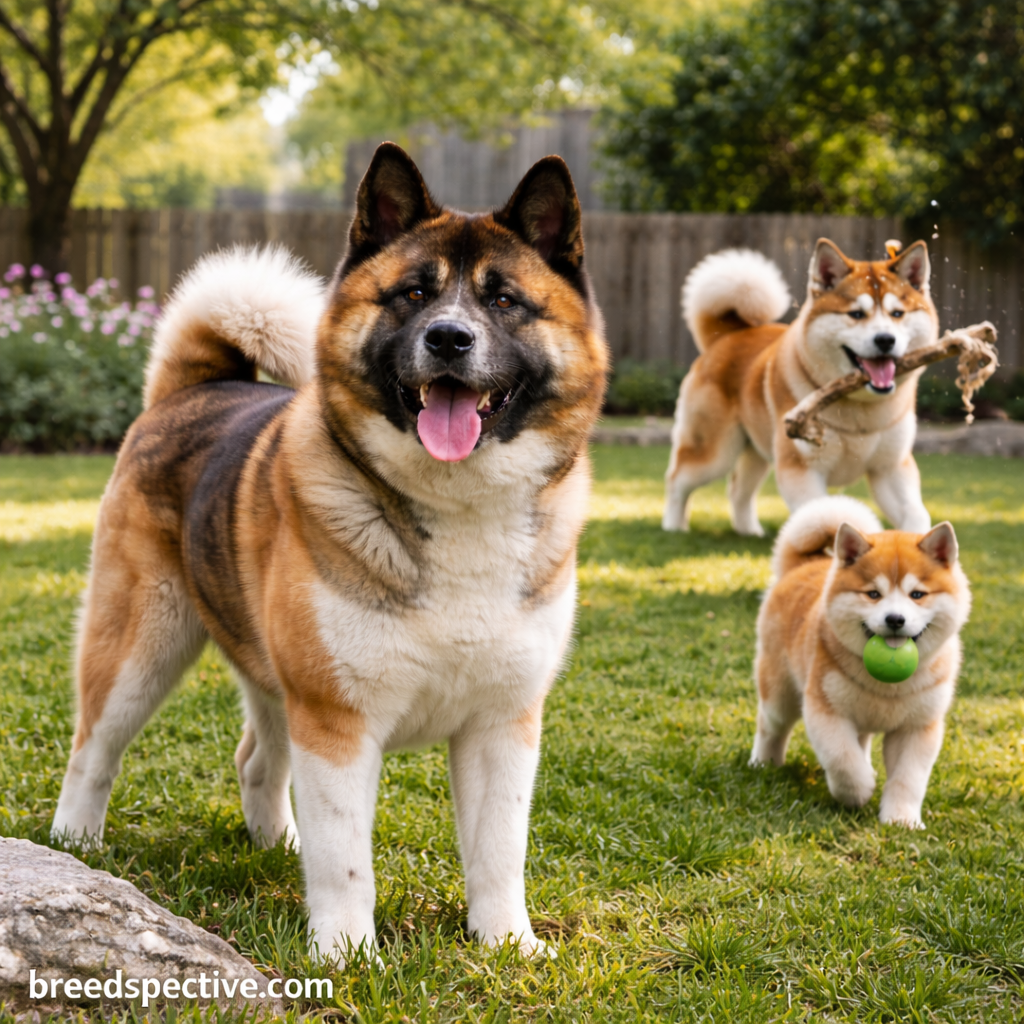
Same-sex aggression is one of the most serious and common challenges in Akitas.
Typical patterns include:
- Intolerance toward dogs of the same sex
- Escalation during maturity (12–24 months)
- Difficulty in multi-dog households
This behavior is instinctive rather than learned. Akitas were not bred to coexist peacefully with unfamiliar dogs.
Management strategies:
- Avoid dog parks
- Use structured introductions
- Maintain leash control at all times
- Consider single-dog households
Even well-socialized Akitas may never be fully dog-social.
Aloofness Toward Strangers
Akitas are naturally reserved and cautious with unfamiliar people. While not aggressive by default, they are rarely outgoing.
Common behaviors include:
- Ignoring guests
- Standing between owners and strangers
- Watching quietly instead of engaging
Problems arise when owners try to force friendliness or allow strangers to invade the dog’s space.
Best practices:
- Allow the Akita to approach on its own terms
- Avoid forced petting
- Provide clear boundaries during visits
Aloofness is normal for the breed and should not be corrected.
Overprotectiveness and Guarding Behavior
Akitas have strong guarding instincts. Without guidance, these instincts can turn into overprotectiveness.
Warning signs include:
- Blocking doorways
- Resource guarding (food, toys, owners)
- Excessive alertness inside the home
This usually develops when:
- Rules are inconsistent
- The dog is given too much responsibility
- Boundaries are unclear
Akitas should not be allowed to decide who is a threat. Owners must consistently manage situations and reinforce calm behavior.
Leash Reactivity
Leash reactivity is common in Akitas, especially around other dogs.
Behaviors may include:
- Stiff posture
- Staring or freezing
- Lunging or growling
Leash reactivity often stems from:
- Territorial instincts
- Frustration from restricted movement
- Previous negative encounters
Structured walks, controlled exposure, and avoiding crowded areas are more effective than social flooding.
Low Tolerance for Rough Handling
Akitas have limited patience for physical handling they consider intrusive.
Situations that trigger discomfort:
- Hugging
- Climbing or pulling by children
- Sudden physical restraint
This does not mean Akitas are unsafe—it means they require respectful interaction.
Households with children should:
- Supervise all interactions
- Teach boundaries early
- Avoid treating the dog like a toy
Akitas typically do best with older, respectful children.
Resource Guarding Tendencies
Some Akitas may guard food, toys, or resting spaces.
Signs include:
- Stiffening when approached
- Growling near food bowls
- Moving items away from others
This behavior is rooted in survival instincts rather than dominance.
Prevention strategies:
- Structured feeding routines
- Teaching “trade” commands
- Avoiding punishment-based corrections
Early management is key to preventing escalation.
Boredom-Related Destruction
Although Akitas are not hyperactive, boredom can lead to destructive behaviors.
Common outlets include:
- Chewing furniture
- Digging
- Escaping fenced areas
This usually occurs when:
- Mental stimulation is lacking
- Exercise is inconsistent
- The dog is left alone too long
Akitas need purpose, not constant activity.
Misinterpretation as Aggression
Many Akitas are labeled aggressive when they are simply communicating boundaries.
Misread behaviors include:
- Silent staring
- Body blocking
- Calm growling
Akitas often warn before acting. Ignoring or punishing these warnings increases risk rather than reducing it.
Why Most Akita Behavior Issues Are Preventable
The majority of Akita behavior problems stem from mismatched expectations rather than poor temperament.
Akitas thrive when:
- Boundaries are clear
- Leadership is calm and consistent
- Social exposure is controlled
- Independence is respected
They are not a breed that adapts easily to chaotic or highly social environments.
When Professional Help Is Necessary
Professional training support is recommended if:
- Aggression escalates
- Resource guarding intensifies
- Owners feel overwhelmed
- Safety concerns arise
Choose trainers experienced with guardian or working breeds—not generic obedience-only approaches.
Final Thoughts
Akitas are not difficult dogs—they are demanding dogs. Their behavioral challenges are deeply rooted in their history as independent hunters and protectors.
When owners understand these instincts and work with them instead of against them, Akitas become calm, confident, and deeply loyal companions. The key is respect, structure, and realistic expectations.