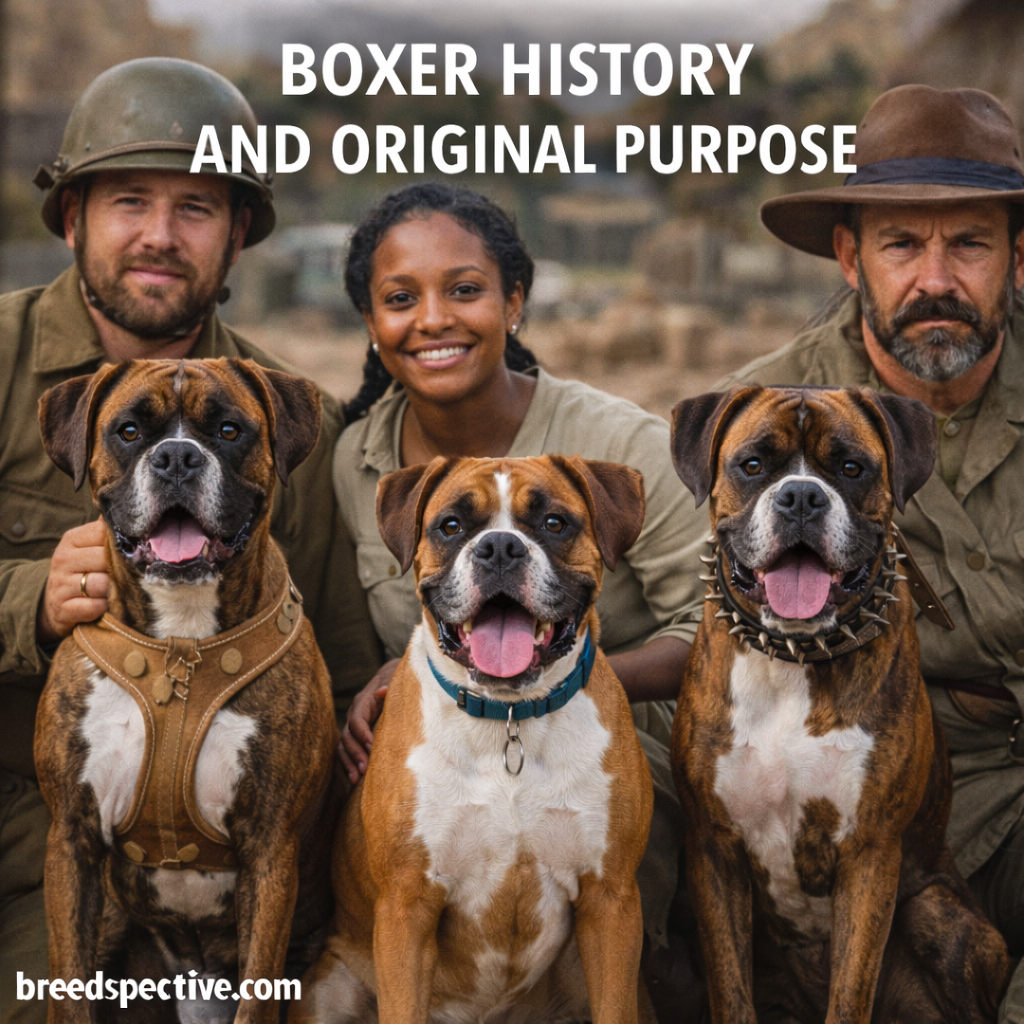
The Boxer is a powerful, athletic dog with a playful personality, but its roots trace back to a very different role. Originally bred for demanding working tasks, Boxers were developed for strength, endurance, and loyalty. Understanding the breed’s history and original purpose helps explain its confident temperament, protective instincts, and enduring popularity today.
This guide explores where the Boxer came from, what it was bred to do, and how its past still shapes the modern breed.
Origins of the Boxer Breed
The Boxer originated in Germany during the late 19th century.
Key historical influences include:
- Development in Germany by dedicated breeders
- Use of the now-extinct Bullenbeisser
- Influence from early Mastiff-type dogs
- Breeding focused on strength and control
These early dogs were selected for their ability to work closely with humans in physically demanding roles.
The Role of the Bullenbeisser
The Bullenbeisser was a strong, muscular hunting dog that played a central role in the Boxer’s development.
Key traits passed down from the Bullenbeisser include:
- Powerful jaws
- Athletic build
- Courage and confidence
- Strong prey drive
These traits made early Boxers capable of handling large and dangerous game.
Original Purpose as a Hunting Dog
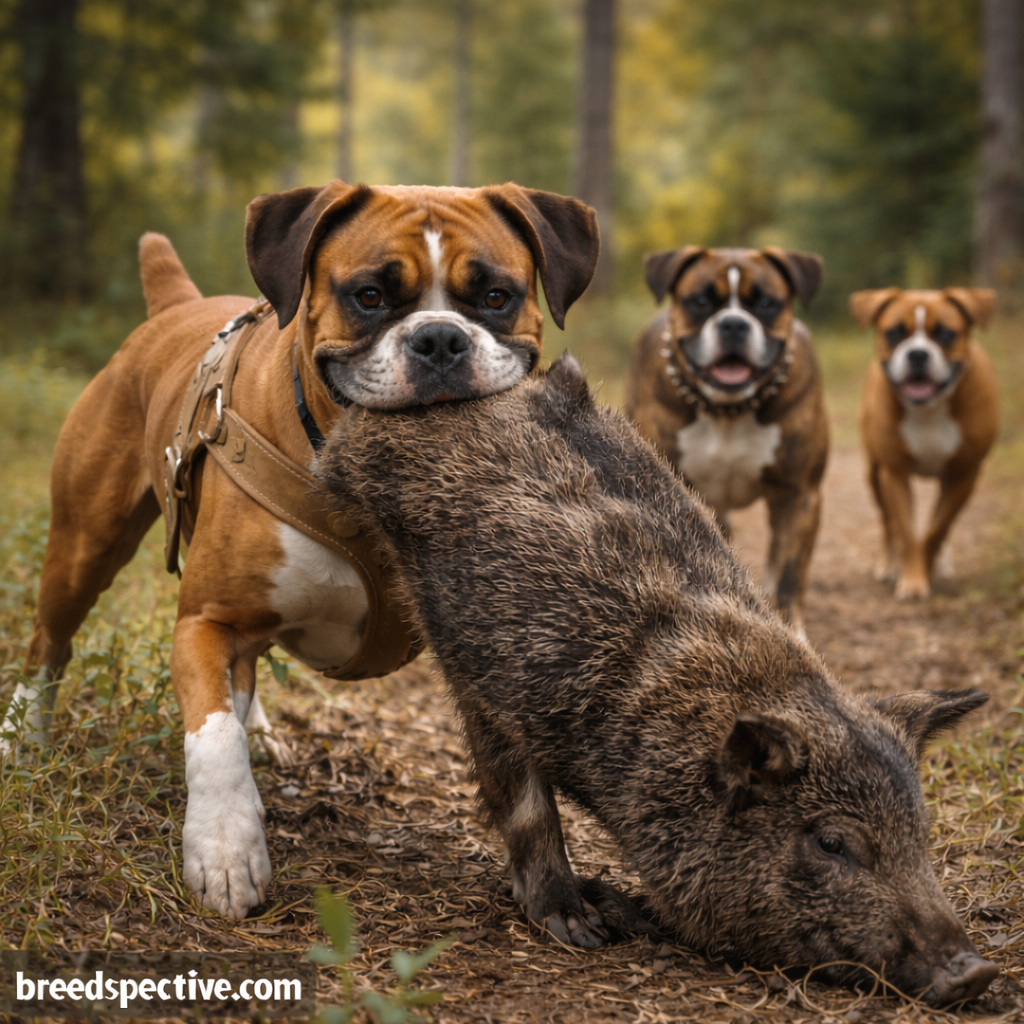
The earliest Boxers were bred for hunting large animals.
Their hunting roles included:
- Holding prey until hunters arrived
- Chasing and cornering large game
- Working in coordinated hunting groups
Their distinctive jaw structure helped them grip prey while maintaining airflow.
Transition to Guard and Working Roles
As hunting practices changed, Boxers were adapted for new working purposes.
New roles included:
- Guarding homes and property
- Protecting livestock
- Serving as personal protection dogs
Their intelligence and loyalty made them ideal for guarding tasks that required judgment rather than aggression.
Boxers as Military and Police Dogs
During the early 20th century, Boxers gained recognition as versatile working dogs.
They were used as:
- Military messenger dogs
- Guard dogs during wartime
- Police service dogs
- Pack carriers
Their discipline and trainability allowed them to excel in structured working environments.
Introduction to Companion Roles
After World War I, Boxers began transitioning into family life.
Contributing factors included:
- Stable temperament
- Strong bonds with handlers
- Adaptability to domestic settings
Their playful personality emerged more prominently as their working roles diminished.
Development of Modern Breed Standards
Breed standards were established to preserve the Boxer’s distinctive look and temperament.
Standardization focused on:
- Muscular yet balanced build
- Short, smooth coat
- Expressive facial features
- Confident, alert demeanor
These standards helped define the Boxer as both a working and companion breed.
Spread of the Boxer Beyond Germany
The Boxer gained international popularity in the mid-20th century.
Key milestones:
- Introduction to the United States
- Recognition by major kennel clubs
- Rapid rise in popularity as a family dog
Their versatility made them appealing to a wide range of owners.
How History Shaped the Boxer’s Temperament
The Boxer’s working background still influences its behavior today.
Historical traits still present include:
- Protective instincts
- High energy and stamina
- Strong loyalty to family
- Playful yet serious working drive
These qualities make Boxers both devoted companions and capable working dogs.
Common Myths About Boxer History
Some misconceptions surround the Boxer’s past.
Common myths include:
- Boxers were bred only as companion dogs
- They are naturally aggressive
- Their appearance was purely aesthetic
In reality, Boxers were bred for function, discipline, and reliability.
The Boxer in Modern Times
Today, Boxers are primarily family companions, but their working heritage remains evident.
Modern roles include:
- Family pets
- Therapy and service dogs
- Search and rescue work
- Obedience and agility sports
Their adaptability keeps them relevant in both working and home environments.
Final Thoughts
The Boxer’s journey from powerful hunting dog to beloved family companion reflects its versatility and resilience. Originally bred for strength, protection, and discipline, the breed evolved without losing its loyalty or energy.
Understanding the Boxer’s history and original purpose offers valuable insight into the breed’s temperament, exercise needs, and deep connection to its human companions.