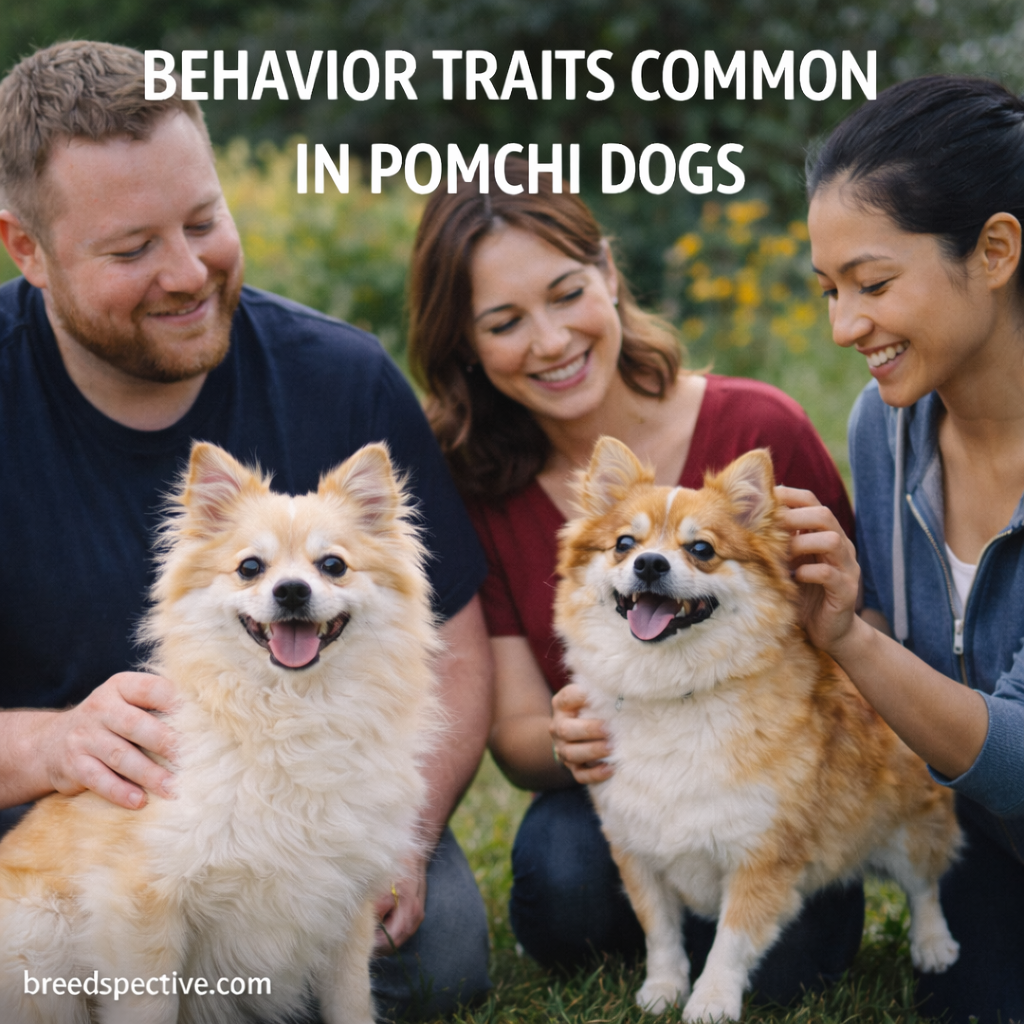
The Pomchi is a small mixed breed that combines the bold confidence of the Chihuahua with the alert, lively nature of the Pomeranian. Despite their compact size, the Pomchi often displays a big personality that surprises first-time owners.
Understanding common behavior traits in Pomchi dogs helps families set realistic expectations, provide proper training, and determine whether this spirited mixed breed is a good fit for their household.
Overall Pomchi Temperament
Pomchis are known for being expressive, confident, and emotionally connected to their owners.
Common temperament traits include:
- Loyal and strongly bonded to their family
- Alert and observant
- Confident, sometimes stubborn
- Intelligent and curious
- Emotionally responsive
Temperament can vary depending on whether the dog takes after the Chihuahua or Pomeranian parent more strongly.
Affection and Attachment to Owners
Pomchis tend to form strong attachments, often favoring one or two people in the home.
Typical Behaviors
- Seeking lap time and physical closeness
- Following owners from room to room
- Becoming protective of favored people
This close bond makes Pomchis affectionate companions but can also lead to clingy behavior if independence isn’t encouraged early.
Alertness and Watchdog Tendencies
Pomchis are naturally alert dogs and often act as enthusiastic watchdogs.
Common alert behaviors include:
- Barking at unfamiliar sounds
- Reacting to doorbells or visitors
- Watching windows and entry points
While this makes them attentive companions, consistent training is important to prevent excessive barking.
Confidence and “Small Dog Syndrome”
Despite their size, Pomchis often display bold, confident behavior.
This may appear as:
- Standing their ground with larger dogs
- Acting fearless in new environments
- Attempting to control situations
Early socialization and consistent boundaries help prevent overconfidence from turning into problematic behavior.
Social Behavior With Strangers
Pomchis can be reserved or cautious around unfamiliar people.
Typical reactions include:
- Initial barking or hesitation
- Observing before engaging
- Warming up once they feel secure
Positive early exposure to different people helps Pomchis develop polite, confident social behavior.
Compatibility With Children
Pomchis can live successfully in families, but they are usually better suited to homes with older children.
Positive Factors
- Enjoy calm interaction
- Bond well with respectful kids
- Thrive in predictable environments
Challenges
- Small size increases injury risk
- Low tolerance for rough handling
- May snap if startled
Supervision and gentle handling are essential when Pomchis interact with children.
Behavior With Other Pets
Pomchi behavior around other animals depends heavily on socialization.
With Dogs
- Often get along with small or calm dogs
- May challenge larger dogs despite size
- Can become territorial
With Cats
- Often compatible when introduced slowly
- Best results occur when raised together
Early exposure plays a major role in long-term pet compatibility.
Intelligence and Trainability
Pomchis are intelligent but can be selective listeners.
Training traits often include:
- Quick learning when motivated
- Short attention spans
- Sensitivity to tone
Effective training strategies:
- Short, positive sessions
- High-value rewards
- Consistent rules
- Avoiding harsh corrections
Patience and repetition are key to successful training.
Separation-Related Behaviors
Because Pomchis bond closely with their owners, they may struggle with being alone.
Possible signs include:
- Barking or whining
- Restlessness
- Mild destructive behavior
Gradual independence training and predictable routines help reduce separation-related issues.
Energy Level and Playfulness
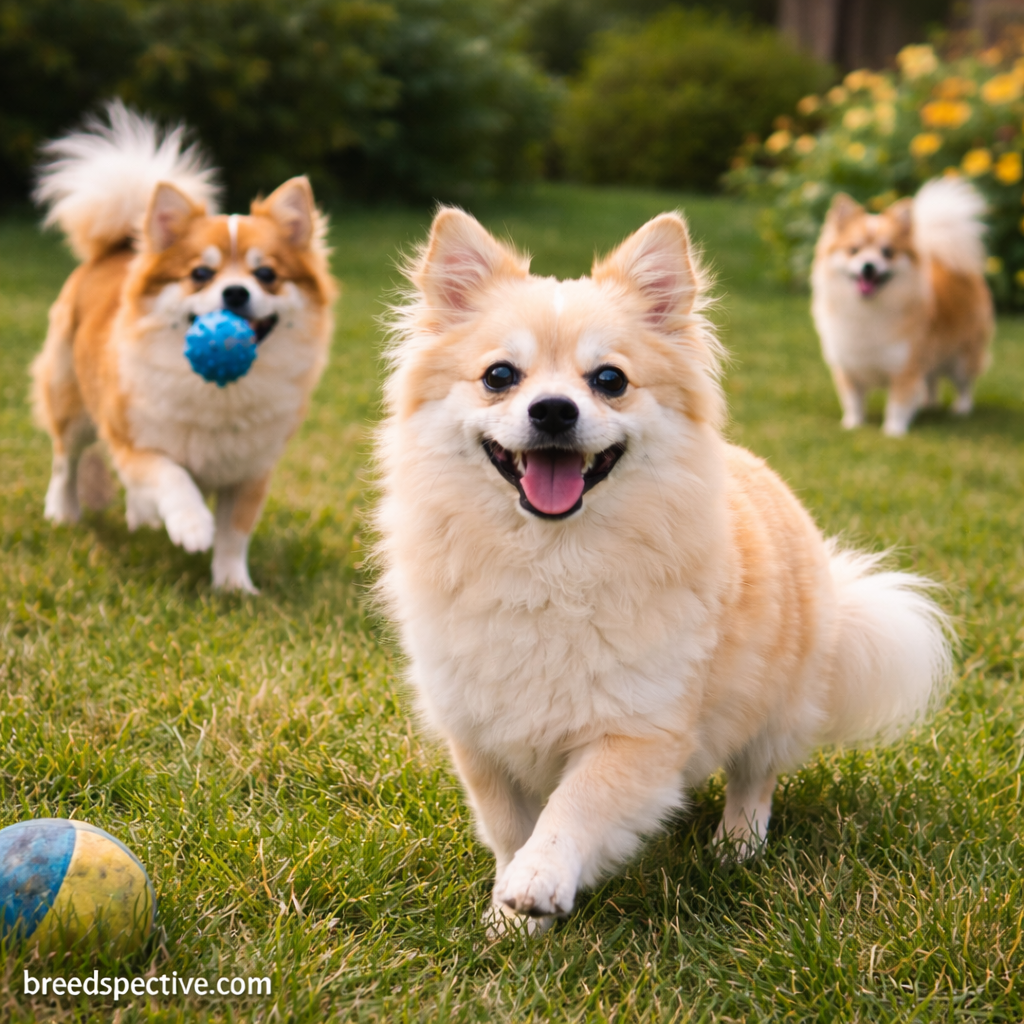
Pomchis have moderate energy levels.
Common activity preferences:
- Short daily walks
- Indoor play sessions
- Interactive toys and games
They enjoy activity but tire quickly, making them well-suited to apartments and smaller homes.
Common Behavior Misconceptions
Some Pomchi traits are often misunderstood.
Clarifications include:
- Confidence is not aggression
- Barking is usually alertness, not fear
- Clinginess reflects attachment, not dominance
Understanding these behaviors helps prevent frustration and improves owner-dog relationships.
Final Thoughts
Pomchis are alert, affectionate, and confident dogs with strong personalities packed into small frames. While they are not ideal for every household, they thrive in homes that value close companionship, gentle structure, and consistent training.
Understanding common Pomchi behavior traits allows owners to meet their needs, manage challenges early, and enjoy a balanced, rewarding relationship with this lively mixed breed.