
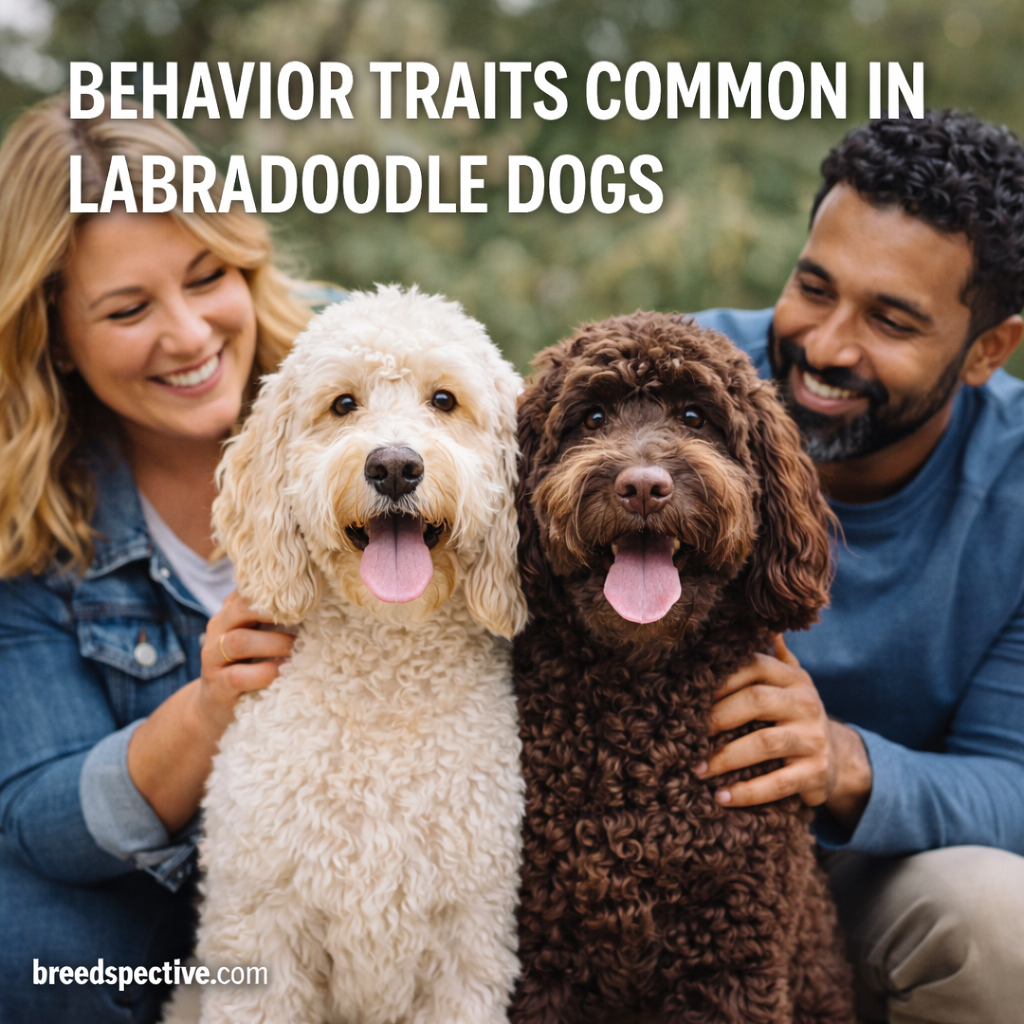
Labradoodles are a popular mixed breed known for their friendly personalities, intelligence, and adaptability. As a cross between Labrador Retrievers and Poodles, Labradoodles often inherit a blend of traits that make them affectionate family companions and capable working dogs. While individual behavior can vary based on genetics, training, and environment, many Labradoodles share common behavioral patterns.
This guide explores the most common behavior traits seen in Labradoodle dogs and what owners can expect at different life stages.
Friendly and People-Oriented Nature
Labradoodles are widely recognized for their social, people-loving temperament. Most thrive on human interaction and enjoy being included in daily activities.
Common social traits include:
- Strong desire to be near family members
- Friendly behavior toward visitors
- Enjoyment of attention and affection
- Tendency to follow owners around the house
Because of this people-oriented nature, Labradoodles typically do best in homes where they receive regular interaction rather than long periods of isolation.
High Intelligence and Trainability
Thanks to their Poodle and Labrador heritage, Labradoodles are highly intelligent and quick learners. They tend to pick up commands rapidly and respond well to positive reinforcement.
Behavioral characteristics tied to intelligence:
- Fast understanding of new cues
- Strong problem-solving abilities
- High responsiveness to praise and treats
- Enjoyment of training sessions
Their intelligence also means they need consistent mental stimulation to avoid boredom-related behaviors.
Energetic and Playful Behavior
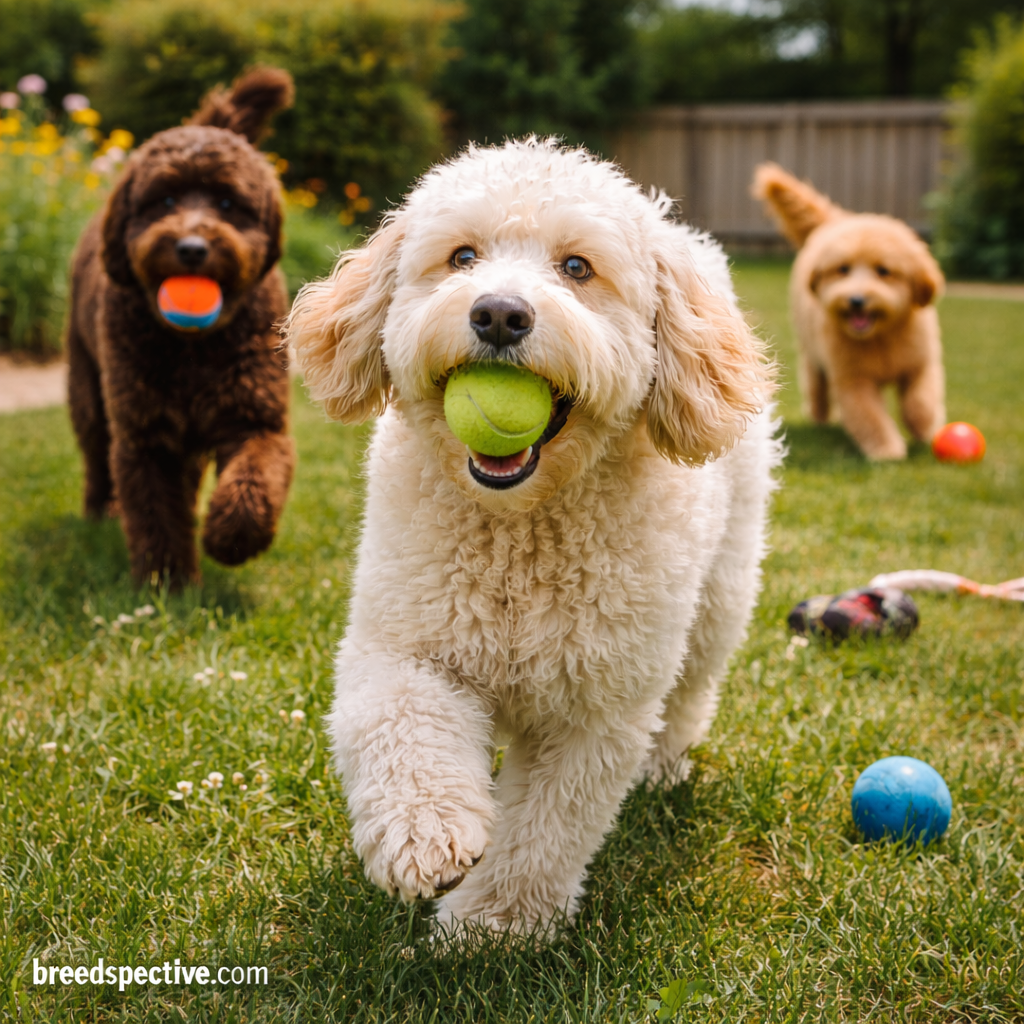
Most Labradoodles are energetic dogs that enjoy play, exercise, and interactive games. Energy levels can range from moderate to high depending on the individual dog.
Typical energy-related behaviors:
- Enthusiasm for walks, runs, and fetch
- Playful interactions with people and other dogs
- Excitement during outdoor activities
- Restlessness when under-exercised
Regular physical activity is essential for keeping Labradoodles balanced and well-behaved.
Affectionate and Emotionally Sensitive
Labradoodles often form strong emotional bonds with their owners and are known for being sensitive to household moods.
Emotional traits may include:
- Strong attachment to one or two primary caregivers
- Sensitivity to raised voices or tension
- Desire for reassurance during stressful moments
- Calmness when routines are predictable
This sensitivity makes gentle training methods especially effective and discourages harsh correction.
Social Compatibility With Other Pets
Labradoodles are generally sociable with other animals when properly introduced. Their friendly disposition often extends to dogs, cats, and other household pets.
Common interaction patterns:
- Playful engagement with other dogs
- Curiosity rather than aggression
- Adaptability in multi-pet households
- Reduced territorial behavior compared to some breeds
Early socialization plays a major role in shaping positive pet-to-pet interactions.
Mouthy and Chewing Tendencies
Many Labradoodles exhibit mouthy behavior, especially as puppies. This trait often comes from the Labrador side of their lineage.
Typical behaviors include:
- Chewing on toys, shoes, or furniture
- Carrying objects around the house
- Gentle mouthing during play
Providing appropriate chew toys and consistent boundaries helps reduce destructive habits.
Separation Anxiety Risk
Due to their strong attachment to people, Labradoodles can be prone to separation anxiety if left alone for extended periods.
Possible signs include:
- Excessive barking or whining when alone
- Destructive behavior near doors or windows
- Pacing or restlessness
- Difficulty settling without human presence
Gradual alone-time training and mental enrichment can help reduce anxiety-related behaviors.
Alertness and Moderate Watchfulness
While not typically aggressive guard dogs, Labradoodles are often alert and aware of their surroundings.
Watchful behaviors may include:
- Barking when someone approaches the home
- Curiosity toward unfamiliar sounds
- Quick reactions to changes in the environment
Their alertness makes them good watchdogs without excessive aggression.
Need for Mental Stimulation
Labradoodles are mentally active dogs that benefit from regular enrichment.
Signs of insufficient stimulation:
- Destructive chewing
- Excessive barking
- Digging or pacing
- Ignoring commands they already know
Effective enrichment options include:
- Puzzle toys
- Training games
- Scent-based activities
- Rotating toys and challenges
How Training Shapes Labradoodle Behavior
Training has a major influence on how Labradoodle behavior develops over time. Consistency, structure, and positive reinforcement help bring out their best traits.
Training principles that work well:
- Short, engaging sessions
- Clear rules and routines
- Reward-based methods
- Early obedience and social exposure
Well-trained Labradoodles are typically calm, cooperative, and eager to please.
Final Thoughts
Labradoodles are affectionate, intelligent, and energetic dogs with behavior traits that suit active families and social households. Their friendly nature, combined with strong emotional sensitivity, makes them deeply loyal companions when their needs are met.
With proper training, exercise, and mental enrichment, Labradoodle dogs develop into well-balanced pets that reflect the best qualities of both parent breeds.