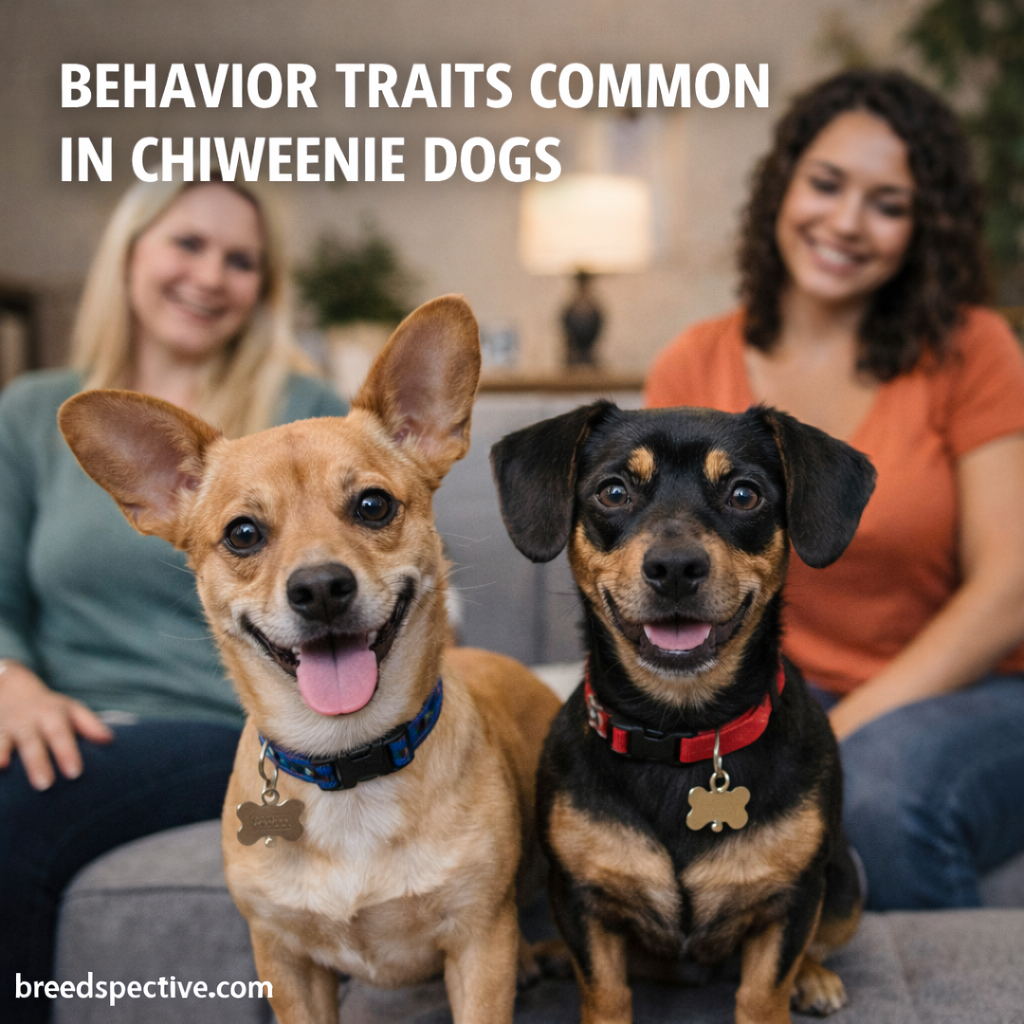
Chiweenies—a cross between the Chihuahua and the Dachshund—are small dogs with big personalities. This mixed breed is known for strong attachments, alert behavior, and a bold, sometimes stubborn nature. While Chiweenies can be affectionate and entertaining companions, their behavior traits are heavily influenced by genetics, training, and the home environment.
This guide breaks down the most common behavior traits seen in Chiweenie dogs, why they occur, and what owners should realistically expect.
Strong Attachment to Owners
One of the most defining behavior traits in Chiweenies is their deep attachment to people.
What This Looks Like
- Following owners from room to room
- Seeking frequent physical contact
- Preferring one primary person
- Becoming distressed when left alone
This trait comes from both parent breeds, which were bred to live closely with humans.
What Owners Should Know
While loyalty is a positive trait, over-attachment can lead to separation anxiety if independence isn’t encouraged early.
Alertness and Watchdog Behavior
Chiweenies are naturally alert and aware of their surroundings.
Common Alert Behaviors
- Barking at unfamiliar sounds
- Reacting quickly to movement
- Standing guard near doors or windows
Despite their small size, many Chiweenies take their watchdog role seriously.
Potential Challenges
Without guidance, alert barking can turn into excessive or nuisance barking, especially in apartments.
Bold and Confident Attitude
Chiweenies often behave as if they are much larger than they actually are.
Typical Confidence Traits
- Standing their ground with larger dogs
- Showing little fear in new environments
- Acting assertive during interactions
This confidence can be charming—but it also requires boundaries to prevent risky behavior.
Stubbornness and Selective Listening
Chiweenies are intelligent but can be strong-willed.
Why This Happens
- Dachshund independence
- Chihuahua confidence
- Low tolerance for repetitive training
They may understand commands but choose whether or not to comply.
Training Implications
- Short, positive sessions work best
- Patience is essential
- Consistency matters more than firmness
Sensitivity and Reactivity
Many Chiweenies are emotionally sensitive and can become reactive if overwhelmed.
Common Triggers
- Loud noises
- Sudden movements
- Rough handling
- Chaotic environments
Reactive Behaviors May Include
- Barking or snapping
- Trembling or hiding
- Defensive body language
Early socialization helps reduce reactivity.
Territorial Behavior
Chiweenies often develop territorial tendencies, especially in their home.
Common Signs
- Guarding favorite spots
- Barking at visitors
- Becoming defensive around food or toys
This behavior is usually rooted in insecurity rather than aggression.
Playfulness With Short Energy Bursts
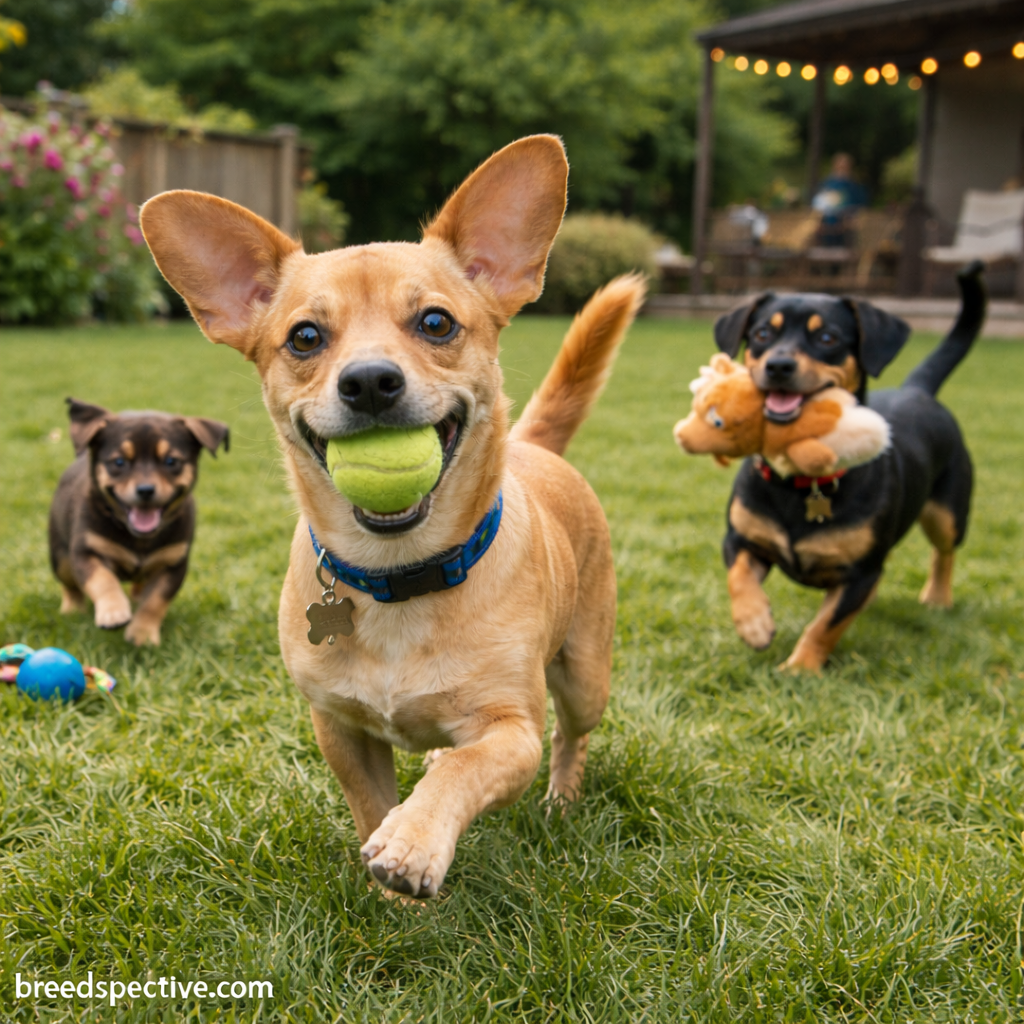
Chiweenies enjoy play, but their energy comes in bursts rather than long sessions.
Typical Play Behavior
- Short zoomies
- Interactive toy play
- Sudden enthusiasm followed by rest
They are playful but not endurance dogs.
Prey Drive and Chasing Instincts
Due to their Dachshund heritage, some Chiweenies have a noticeable prey drive.
What This Can Look Like
- Chasing squirrels or birds
- Fixating on small moving objects
- Digging or sniffing obsessively
This trait varies widely between individuals.
Separation Anxiety Tendencies
Chiweenies are prone to separation-related stress if left alone too often.
Common Signs
- Barking or whining when alone
- Destructive chewing
- Restlessness or pacing
Gradual independence training helps prevent this issue.
Behavior With Children
Chiweenies can do well with children, but boundaries are important.
Best Situations
- Older children who understand gentle handling
- Supervised interactions
- Calm household environments
They may react defensively to rough or unpredictable behavior.
Behavior With Other Pets
Compatibility with other pets depends heavily on socialization.
- Can coexist well with other dogs
- May chase smaller animals
- Early introductions are critical
Confidence without proper boundaries can cause friction.
Managing Common Chiweenie Behavior Traits
Successful Chiweenie ownership depends on proactive management.
Helpful Strategies
- Early training and socialization
- Clear routines and boundaries
- Mental stimulation through toys and training
- Encouraging calm independence
Understanding their temperament prevents many behavior issues.
Ideal Owner Fit for Chiweenie Behavior
Chiweenies are best suited for owners who appreciate personality and structure.
They thrive with:
- Attentive owners
- Calm households
- Consistent routines
- Positive reinforcement training
They may struggle in chaotic or hands-off environments.
Final Thoughts
Chiweenies are bold, loyal, and expressive dogs with behavior traits shaped by both the Chihuahua and Dachshund. While they can be affectionate and entertaining companions, they require patience, structure, and understanding to thrive.
When their emotional needs are met and their behavior is guided thoughtfully, Chiweenies make devoted and lively additions to the right home.