
The Aussiedoodle is a popular mixed breed created by crossing the Australian Shepherd with the Poodle. Known for intelligence, energy, and an engaging personality, Aussiedoodles can make wonderful companions—but their behavior traits are often more complex than many owners expect.
Because this mix combines two highly intelligent, active parent breeds, Aussiedoodles tend to display strong behavioral patterns that require structure, engagement, and consistency. Understanding these traits helps owners prevent frustration and build a well-balanced relationship.
High Intelligence and Problem-Solving Ability
Aussiedoodles are exceptionally smart dogs.
How intelligence shows up
- Rapid learning of commands and routines
- Strong problem-solving skills
- Ability to anticipate owner behavior
- Quick boredom with repetition
This intelligence is a strength, but it can become a challenge if the dog is not mentally stimulated. Aussiedoodles often invent their own activities when bored, which may include chewing, digging, or manipulating objects around the home.
High Energy and Activity Drive
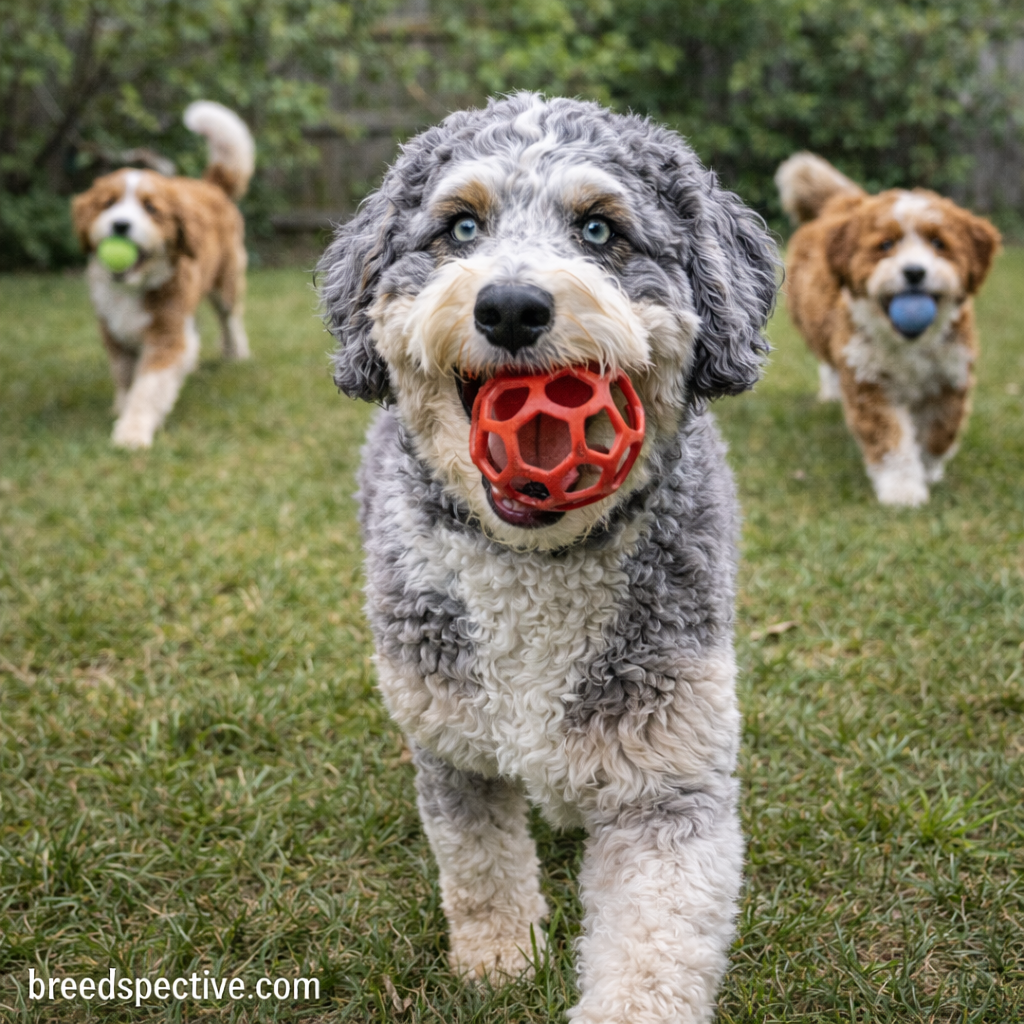
Energy is one of the most defining traits of the Aussiedoodle.
Common energy-related behaviors
- Restlessness when under-exercised
- Constant desire for play or movement
- Difficulty settling without activity
- High enthusiasm outdoors
Most Aussiedoodles need daily structured exercise combined with free play. Without consistent outlets, excess energy can translate into hyperactivity or attention-seeking behavior.
Strong Desire for Human Interaction
Aussiedoodles are highly people-oriented dogs.
Social attachment traits
- Enjoy constant proximity to family
- Thrive on interaction and engagement
- Often follow owners from room to room
- May struggle when left alone
This strong attachment makes Aussiedoodles affectionate companions, but it can also lead to separation-related behaviors if independence is not taught early.
Sensitivity to Environment and Emotions
Many Aussiedoodles are emotionally sensitive.
Signs of sensitivity
- Reacting to changes in tone or routine
- Stress during chaotic environments
- Sensitivity to harsh training methods
- Strong emotional responses to owner mood
Positive reinforcement and calm, consistent handling are essential. Harsh corrections or unpredictable environments may lead to anxiety or shutdown behaviors.
Herding and Control Tendencies
Thanks to their Australian Shepherd heritage, some Aussiedoodles display herding instincts.
Herding-related behaviors
- Nipping at heels or ankles
- Chasing children or pets
- Attempting to control movement
- Fixation on running or fast motion
These behaviors are not aggression but instinctive attempts to manage motion. Early training and redirection help prevent these tendencies from becoming disruptive.
Alertness and Vocalization
Aussiedoodles are often naturally alert.
Common alert behaviors
- Barking at unfamiliar sounds
- Reacting to movement outside the home
- Acting as informal watchdogs
- Vocalizing during excitement
While not typically aggressive, Aussiedoodles can be vocal if not taught appropriate alert boundaries.
Playfulness and Goofiness
Many Aussiedoodles retain puppy-like behavior well into adulthood.
Play-related traits
- Love of interactive games
- Silly or exaggerated movements
- Enjoyment of toys and fetch
- Strong enthusiasm for training games
This playful nature makes them enjoyable companions, but it also means they require consistent structure to prevent overexcitement.
Potential for Anxiety if Needs Are Unmet
Behavioral issues often emerge when expectations do not match reality.
Common anxiety triggers
- Lack of daily exercise
- Insufficient mental stimulation
- Extended isolation
- Inconsistent routines
An Aussiedoodle without structure may develop behaviors such as pacing, barking, chewing, or attention-seeking.
Trainability and Responsiveness
Aussiedoodles are typically very trainable.
Training characteristics
- Respond well to positive reinforcement
- Enjoy learning new tasks
- Excel in obedience, agility, and tricks
- May test boundaries if training is inconsistent
Clear rules, consistency, and mental challenges help channel their intelligence in positive ways.
Best Environment for Balanced Behavior
Aussiedoodles thrive in homes that match their needs.
Ideal lifestyle fit
- Active individuals or families
- Owners with time for daily interaction
- Homes that value training and engagement
- Not ideal for sedentary lifestyles
When their physical, mental, and social needs are met, Aussiedoodles are typically friendly, adaptable, and emotionally balanced dogs.
Final Thoughts
Behavior traits in Aussiedoodle dogs are shaped by intelligence, energy, and a strong desire for connection. While these qualities make them rewarding companions, they also require commitment and understanding.
Owners who provide consistent exercise, mental stimulation, and positive structure are far more likely to enjoy the best side of this intelligent and affectionate mixed breed.