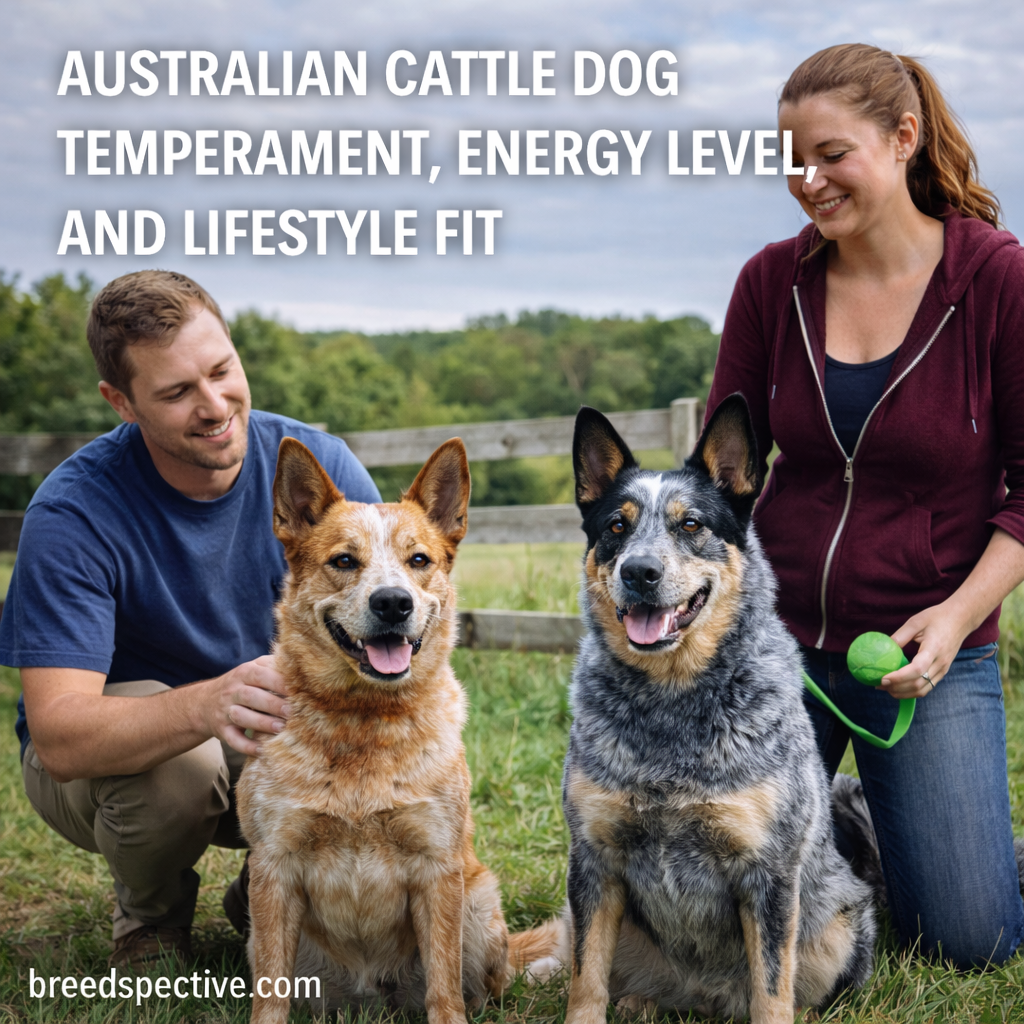
Australian Cattle Dog Temperament, Energy Level, and Lifestyle Fit

Australian Cattle Dogs with owners in a rural setting highlighting the breed’s temperament, energy level, and active lifestyle needs.
Australian Cattle Dogs pictured with their owners in an outdoor environment that reflects the breed’s intelligence, energy, and working nature. breedspective.com.

The Australian Cattle Dog is a highly driven, intelligent working breed developed for demanding physical labor and independent problem-solving. Known for stamina, focus, and loyalty, this breed excels when given structure and purpose—but can be challenging in the wrong environment.

Understanding the Australian Cattle Dog’s temperament, energy level, and lifestyle needs is essential before deciding if this breed is a good fit for your home.

Continue reading “Australian Cattle Dog Temperament, Energy Level, and Lifestyle Fit”
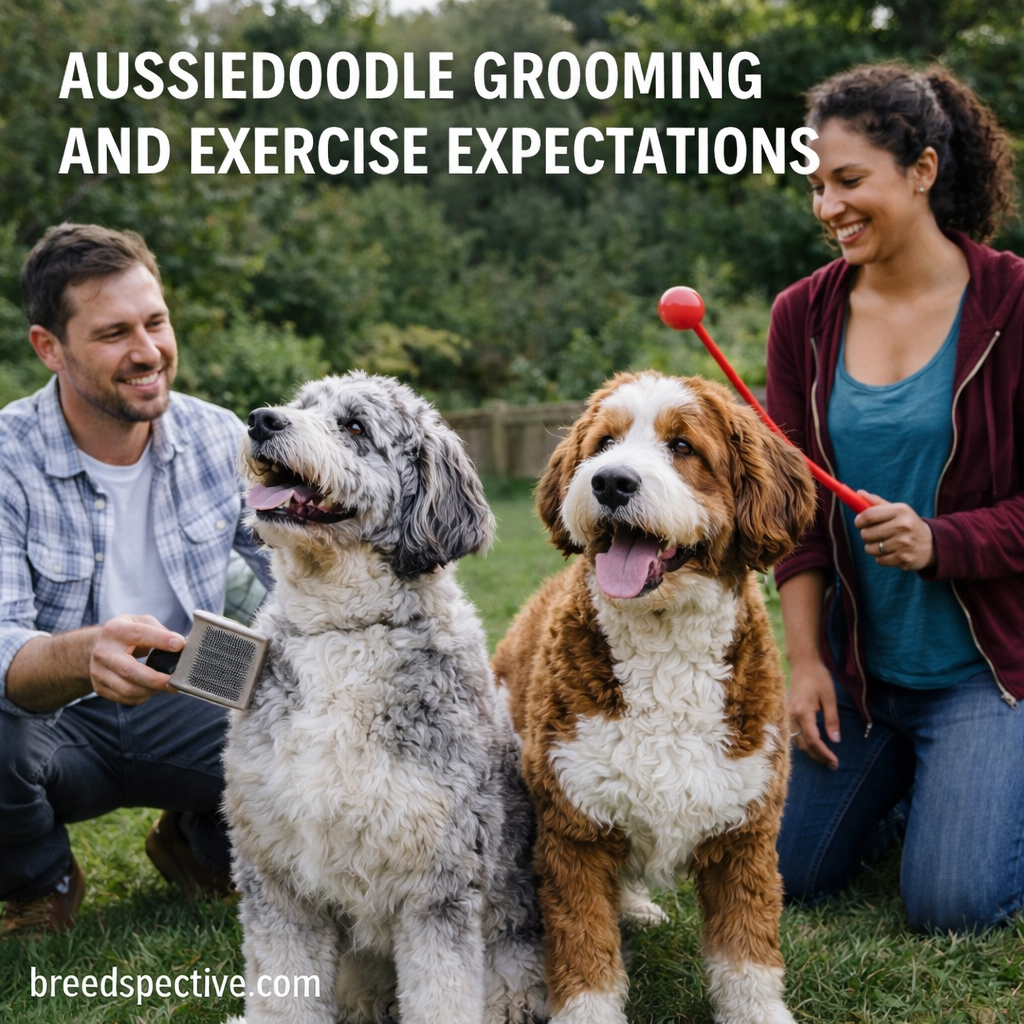
Aussiedoodle Grooming and Exercise Expectations

Aussiedoodles with owners demonstrating grooming and exercise routines in an outdoor setting.
Aussiedoodles shown with their owners during grooming and active play, highlighting daily care and exercise needs. breedspective.com.

The Aussiedoodle is a popular mixed breed known for intelligence, energy, and a friendly personality. As a cross between the Australian Shepherd and the Poodle, this hybrid inherits traits from two highly active and intelligent parent breeds. While Aussiedoodles can make excellent companions, their grooming and exercise needs are often underestimated by new owners.

Understanding what an Aussiedoodle requires on a daily and long-term basis is essential for keeping the dog healthy, comfortable, and well-behaved.

Continue reading “Aussiedoodle Grooming and Exercise Expectations”

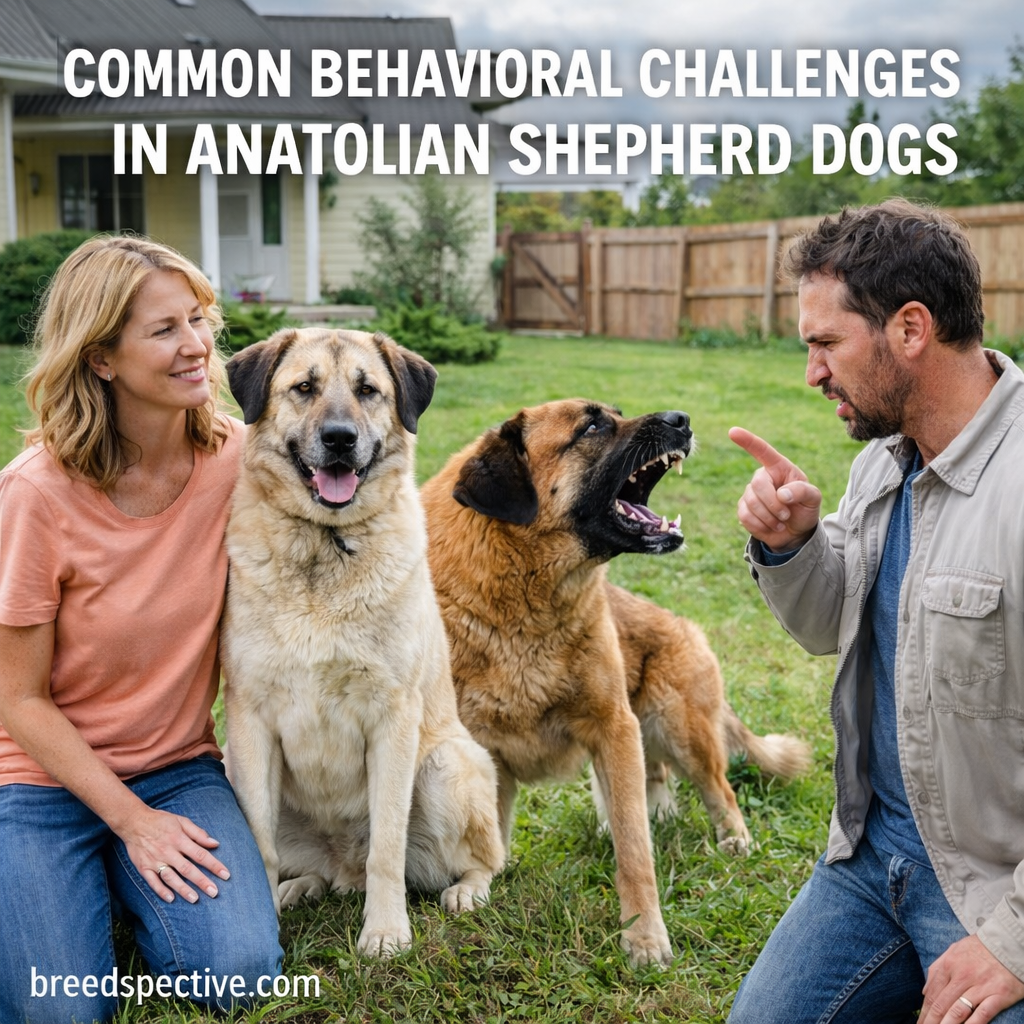
Common Behavioral Challenges in Anatolian Shepherd Dogs

Anatolian Shepherd dogs with owners demonstrating common behavioral challenges such as guarding and reactivity.
Anatolian Shepherds shown with owners in a residential setting, illustrating typical behavior challenges linked to guarding instincts. breedspective.com.

The Anatolian Shepherd is an intelligent, capable, and deeply instinct-driven livestock guardian breed. While these traits make the breed exceptional at protection and independent work, they can also lead to behavioral challenges—especially when the dog is placed in an environment that does not match its historical purpose.

Most behavioral issues seen in Anatolian Shepherds are not signs of a “bad dog,” but rather a mismatch between instincts, expectations, and lifestyle. Understanding these challenges is key to preventing problems and setting realistic ownership expectations.

Continue reading “Common Behavioral Challenges in Anatolian Shepherd Dogs”

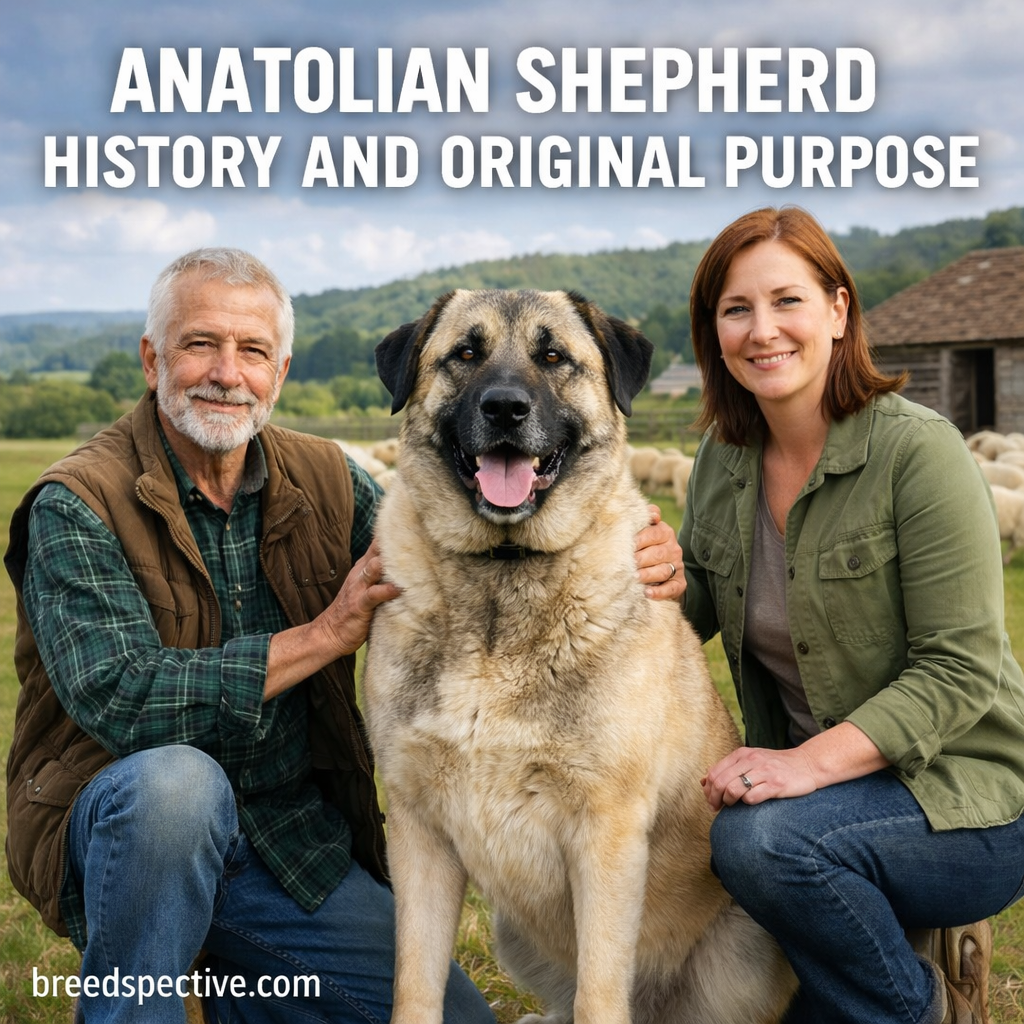
Anatolian Shepherd History and Original Purpose

Anatolian Shepherd with rural handlers illustrating the breed’s historical role as a livestock guardian.
An Anatolian Shepherd shown with handlers in a traditional rural setting that reflects its original working purpose. breedspective.com.

The Anatolian Shepherd is one of the oldest and most purpose-driven working dog breeds in the world. Its history is deeply tied to survival, livestock protection, and human cooperation in some of the harshest environments on Earth. Unlike many modern breeds developed for companionship or appearance, the Anatolian Shepherd was shaped almost entirely by function.

To understand this breed, it is essential to understand why it was created, what it was expected to do, and how centuries of real-world work forged its temperament and physical traits.

Continue reading “Anatolian Shepherd History and Original Purpose”

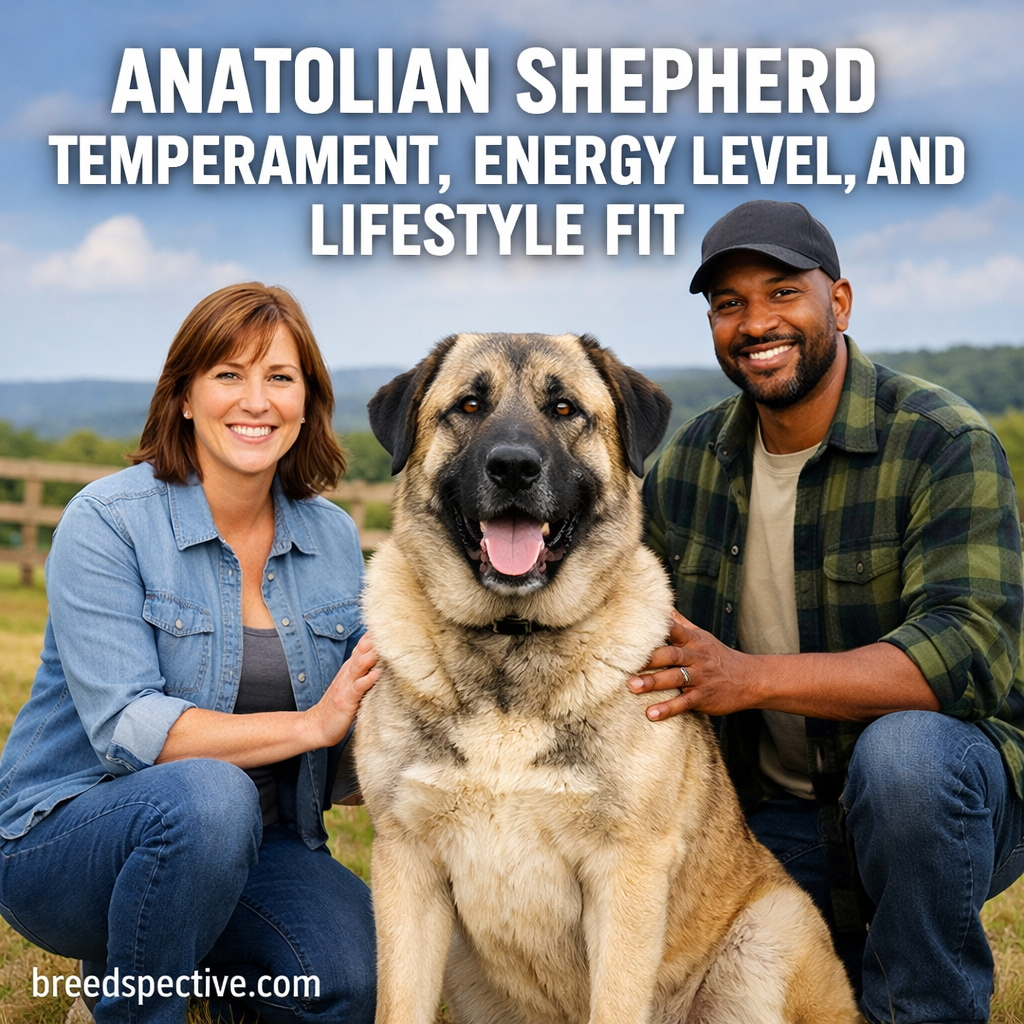
Anatolian Shepherd Temperament, Energy Level, and Lifestyle Fit

Anatolian Shepherd with owners illustrating temperament, energy level, and lifestyle fit.
An Anatolian Shepherd pictured with its owners in a rural setting. breedspective.com.

The Anatolian Shepherd is a powerful, intelligent livestock guardian breed known for independence, loyalty, and strong protective instincts. Bred to guard flocks across wide, rugged landscapes with little human supervision, this breed has a temperament and lifestyle requirement that differs greatly from typical family companion dogs.

Understanding how an Anatolian Shepherd thinks, moves, and interacts with its environment is essential before bringing one into your life.

Continue reading “Anatolian Shepherd Temperament, Energy Level, and Lifestyle Fit”
Aussiedoodle Temperament and Family Compatibility

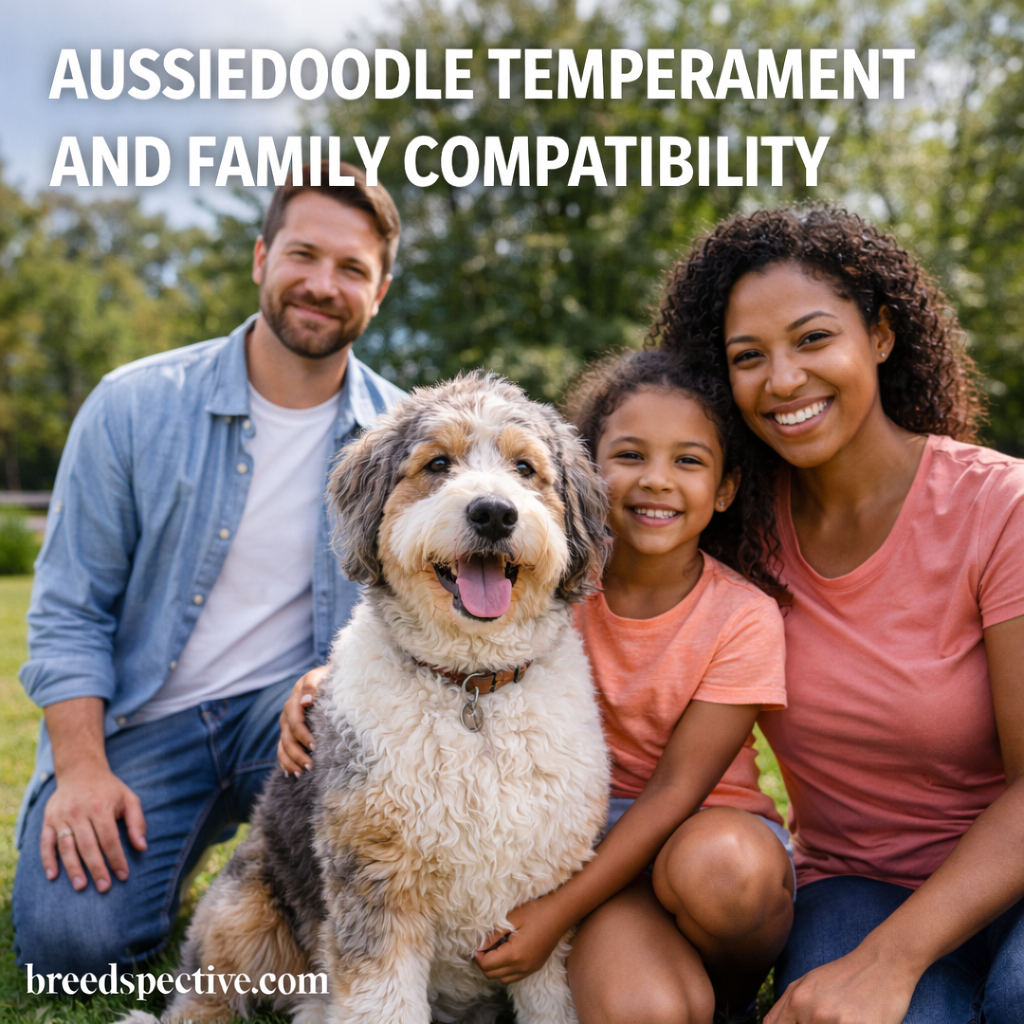
Aussiedoodle sitting with a family outdoors, highlighting the breed’s friendly temperament and family compatibility.
An Aussiedoodle with a family in an outdoor setting, showcasing the breed’s affectionate temperament and suitability for family life. breedspective.com.

Aussiedoodle Temperament Overview

The Aussiedoodle is a popular mixed breed created by crossing an Australian Shepherd with a Poodle. This combination produces a dog known for intelligence, energy, and strong people-focused behavior. Aussiedoodles are typically affectionate, alert, and highly responsive to their environment.

Because both parent breeds are intelligent and active, Aussiedoodles tend to be emotionally aware and eager to engage with their families. However, their temperament can vary depending on which traits are more dominant.

Common temperament traits include:

  • Highly intelligent and quick to learn
  • Affectionate and people-oriented
  • Energetic and enthusiastic
  • Emotionally sensitive
  • Social and engaging

They thrive in homes where they are mentally and physically involved in daily life.

Continue reading “Aussiedoodle Temperament and Family Compatibility”

Common Behavioral Challenges in Great Pyrenees Dogs

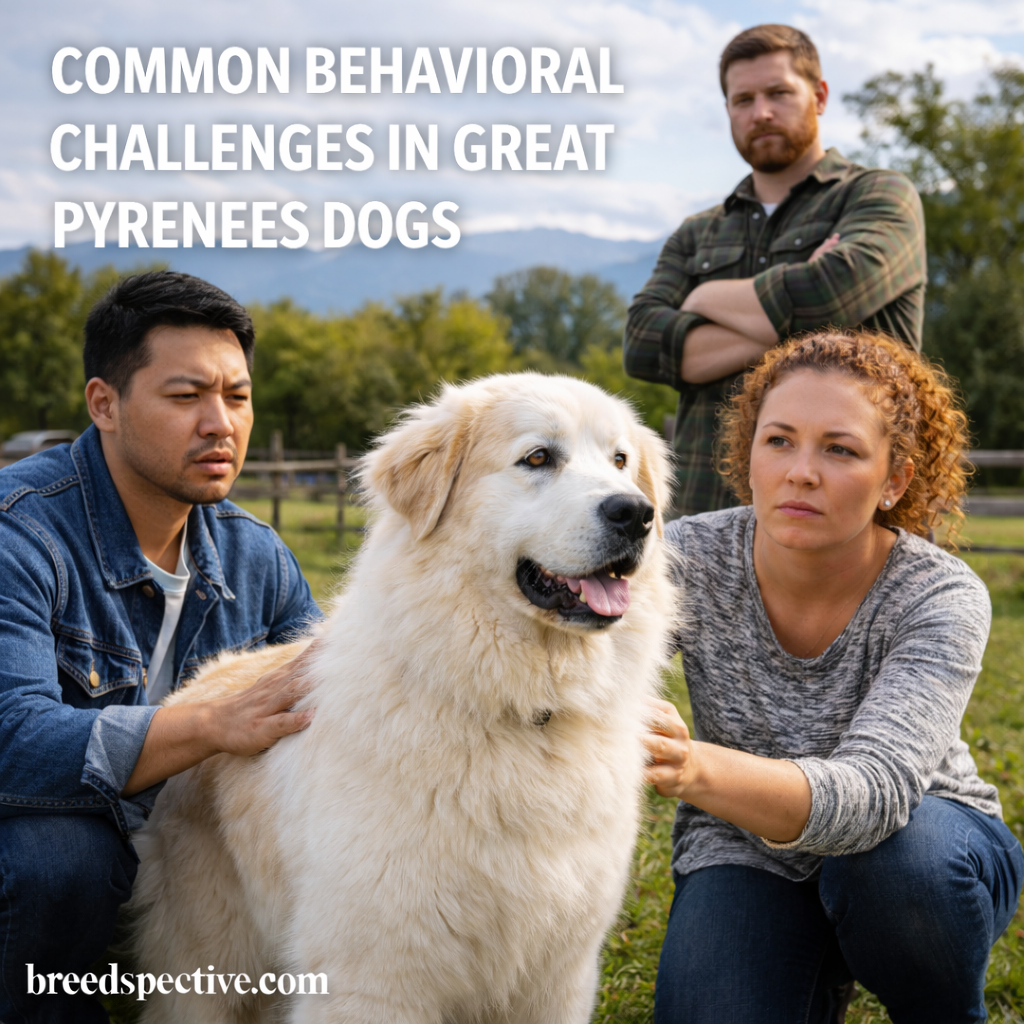
Great Pyrenees sitting outdoors with owners, illustrating common behavioral challenges such as independence and alert barking.
A Great Pyrenees with its owners in an outdoor setting, representing common behavioral challenges rooted in the breed’s guardian instincts. breedspective.com.

Overview of Great Pyrenees Behavior Challenges

Great Pyrenees dogs are calm, confident, and deeply instinctual guardians. While they are not aggressive or high-energy, their independent nature and livestock-guarding heritage can create behavioral challenges for owners who are unfamiliar with the breed.

Most behavioral issues in Great Pyrenees dogs are not the result of poor training or temperament flaws. Instead, they are natural expressions of instincts developed over centuries of autonomous guardian work.

Continue reading “Common Behavioral Challenges in Great Pyrenees Dogs”

Great Pyrenees History and Original Purpose

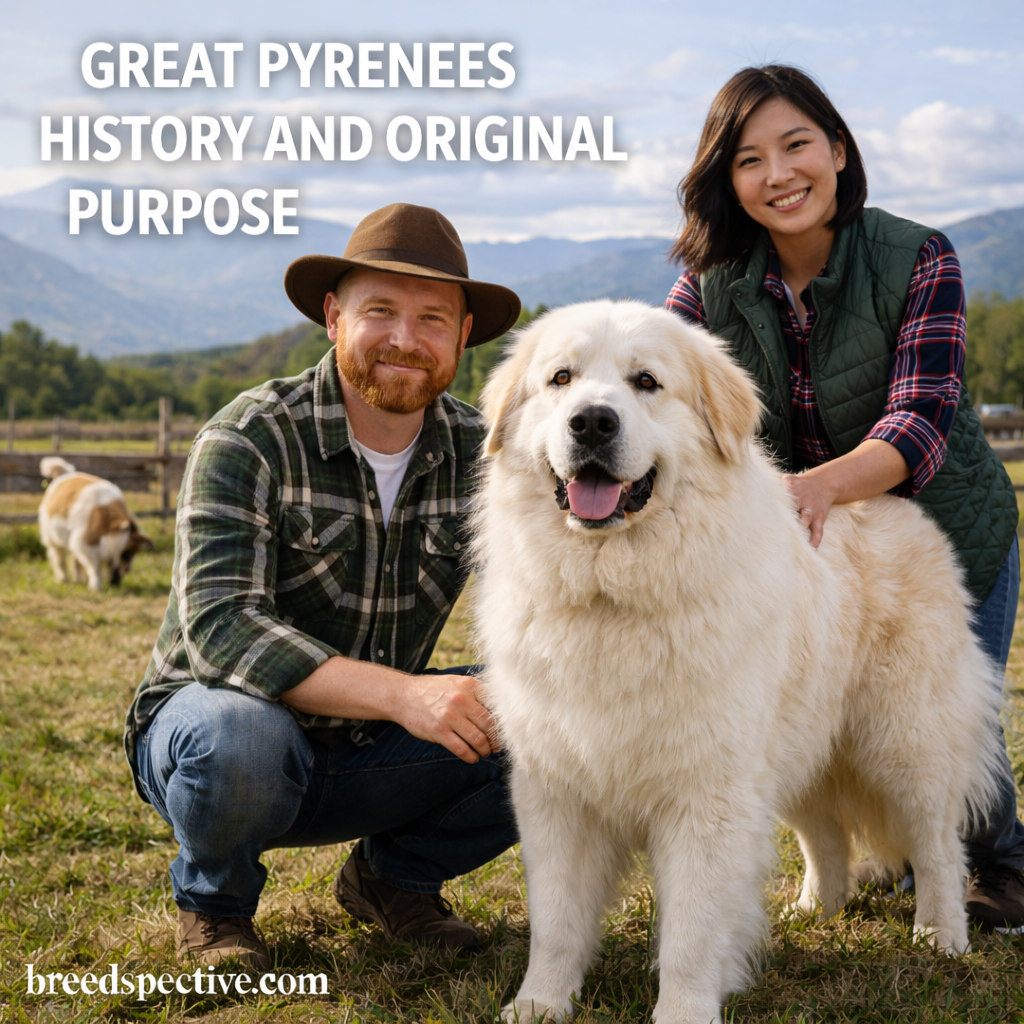
Great Pyrenees standing in a rural pasture with caretakers, representing the breed’s historical role as a livestock guardian.
A Great Pyrenees with caretakers in a pastoral setting, reflecting the breed’s history and original purpose as a livestock guardian. breedspective.com.

Great Pyrenees History Overview

The Great Pyrenees is an ancient working breed developed for one primary role: protecting livestock in harsh mountain environments. Unlike herding dogs that move animals under human direction, the Great Pyrenees was bred to work independently, making decisions without supervision and defending flocks against predators.

This long history of autonomous guardian work explains the breed’s calm confidence, strong instincts, and deeply ingrained sense of responsibility.

Continue reading “Great Pyrenees History and Original Purpose”

Great Pyrenees Temperament, Energy Level, and Lifestyle Fit

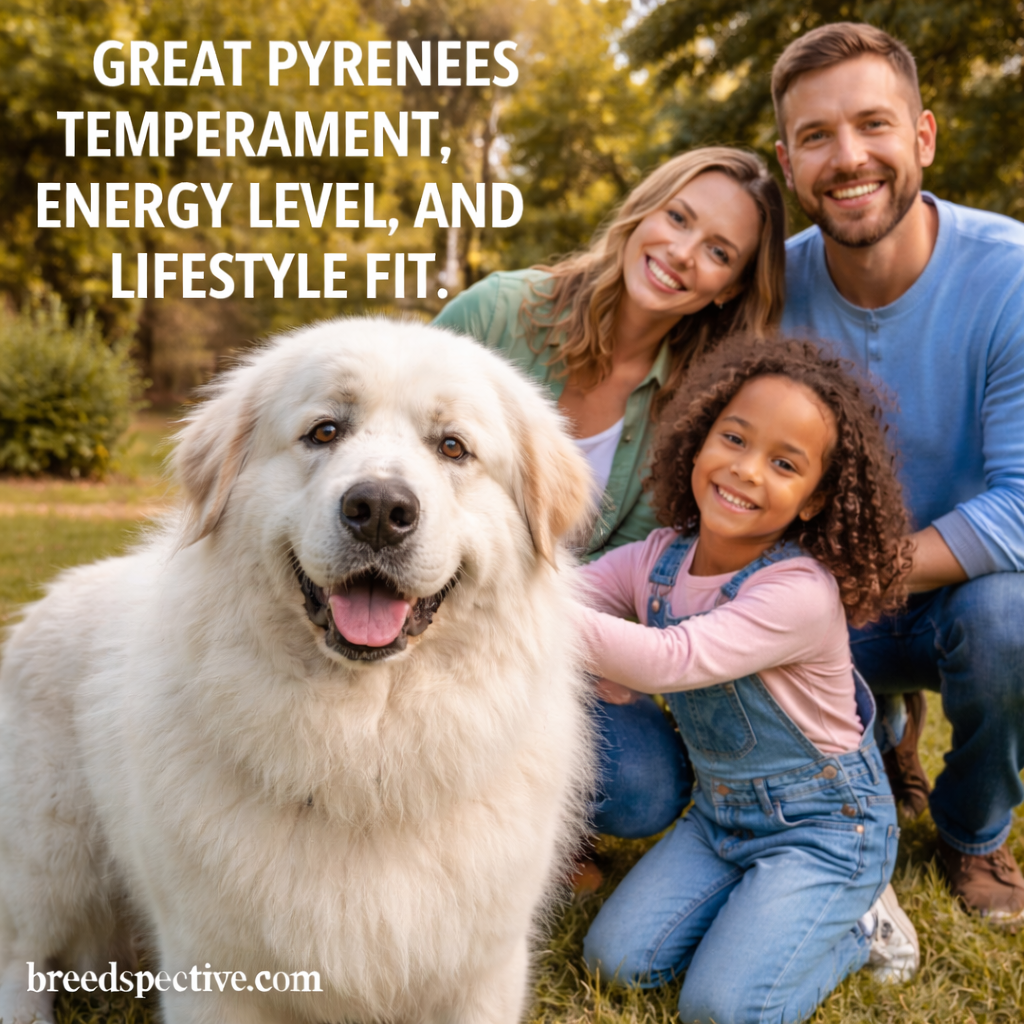
Great Pyrenees standing in a backyard with a family, showcasing the breed’s calm temperament and guardian nature.
A Great Pyrenees with a family outdoors, highlighting the breed’s gentle temperament, independence, and lifestyle compatibility. breedspective.com.

Great Pyrenees Temperament Overview

The Great Pyrenees is a calm, confident, and deeply independent breed originally developed to guard livestock in mountainous regions. Unlike highly people-focused companion breeds, the Great Pyrenees was bred to think for itself, make decisions without human direction, and remain composed in challenging situations.

As a result, their temperament combines gentleness with quiet authority. They are affectionate with family but not overly needy, protective without being aggressive, and calm even in high-pressure environments.

Key temperament traits include:

  • Calm and composed
  • Independent and thoughtful
  • Loyal to family
  • Naturally protective
  • Emotionally steady

They are not excitable dogs and tend to move through life at their own deliberate pace.

Continue reading “Great Pyrenees Temperament, Energy Level, and Lifestyle Fit”
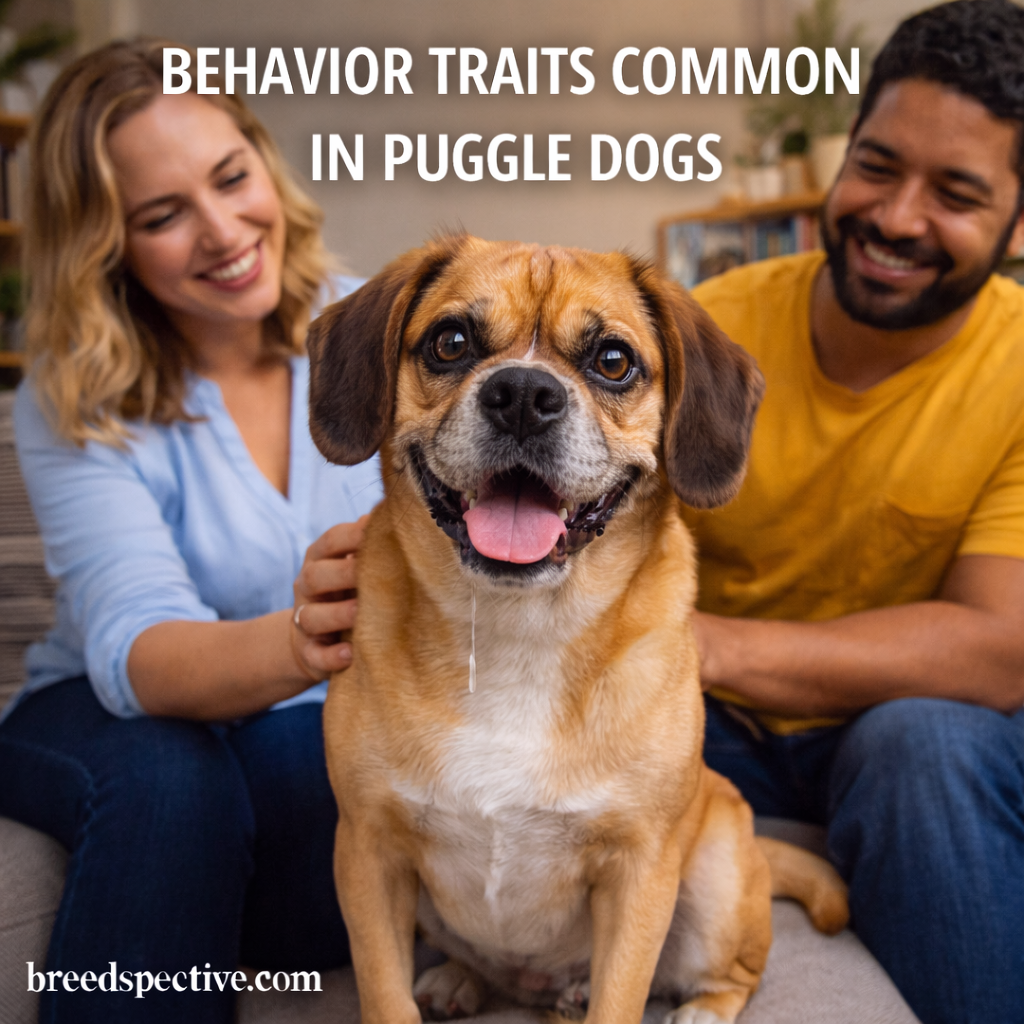
Behavior Traits Common in Puggle Dogs

Puggle sitting indoors with owners, highlighting common behavior traits such as friendliness and affection.
A Puggle with its owners in a home setting, showcasing the breed’s friendly and people-oriented behavior traits. breedspective.com.

Overview of Puggle Behavior Traits

Puggles are a mixed breed created by crossing a Pug with a Beagle. This combination results in a dog with a unique blend of curiosity, affection, and playfulness. While individual behavior can vary depending on which parent traits are more dominant, most Puggles share a set of recognizable behavioral patterns.

Understanding these traits helps owners set realistic expectations and create an environment where a Puggle can thrive emotionally and behaviorally.

Continue reading “Behavior Traits Common in Puggle Dogs”