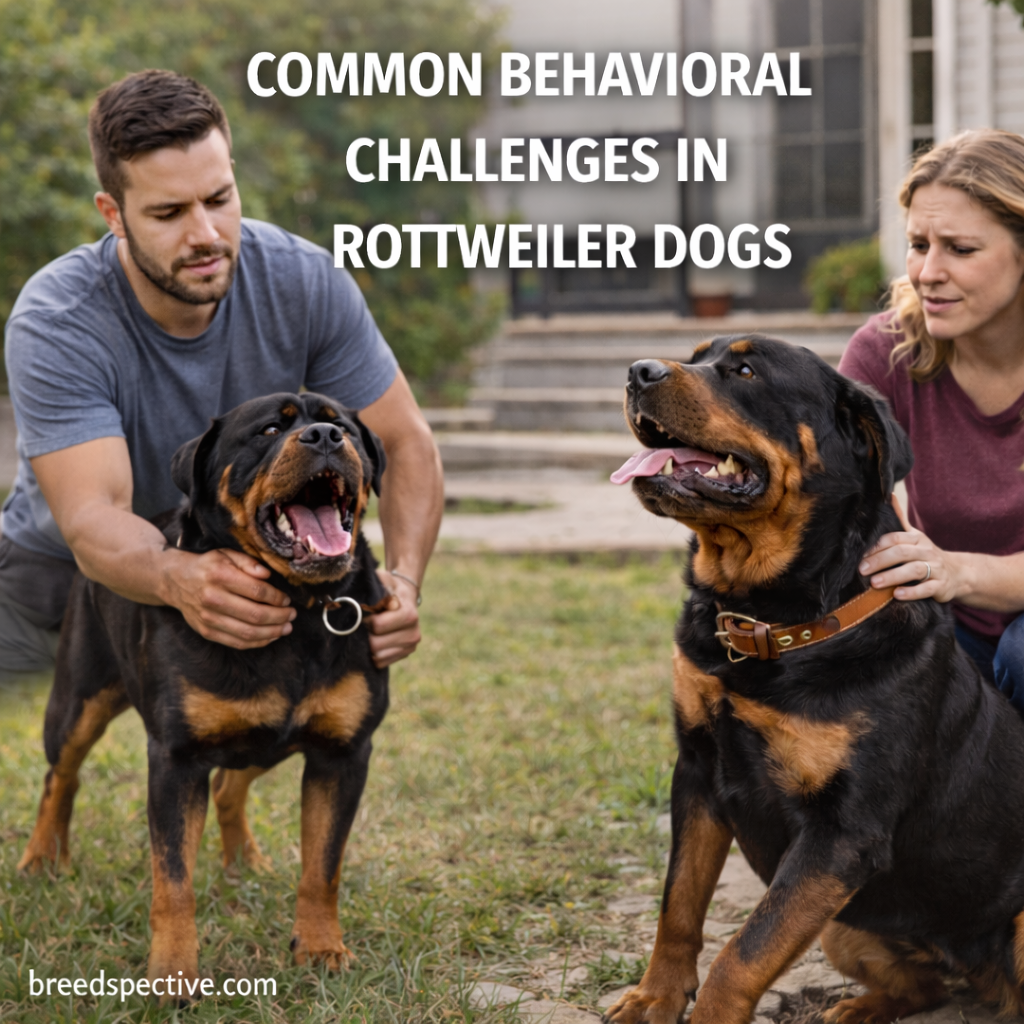

Yorkshire Terriers may be small, elegant, and affectionate, but they also come with a set of behavioral challenges that often surprise new owners. Bred originally as determined working terriers, Yorkies retain strong instincts that can show up as stubbornness, vocal behavior, or anxiety if not properly managed.
Understanding these common behavioral issues helps owners address problems early, train more effectively, and build a calm, confident companion.
Excessive Barking

One of the most common behavioral challenges in Yorkshire Terriers is frequent barking.
Why Yorkies bark:
- Strong watchdog instincts
- High alertness to sounds and movement
- Desire for attention
- Boredom or lack of stimulation
Without guidance, barking can become a learned habit rather than a response to real threats.
How to manage it:
- Teach a “quiet” command
- Reward calm behavior
- Provide daily mental stimulation
- Avoid reinforcing barking with attention
Separation Anxiety
Yorkshire Terriers are highly people-oriented and can struggle when left alone.
Signs of separation anxiety include:
- Excessive barking or whining when alone
- Destructive behavior
- Pacing or restlessness
- Accidents indoors despite house training
This issue often develops in dogs that form very strong bonds with one primary owner.
Helpful strategies:
- Gradual desensitization to alone time
- Consistent routines
- Providing safe toys or puzzles
- Avoiding dramatic departures and arrivals
Stubbornness During Training
Yorkies are intelligent but independent, which can make training inconsistent.
Common training challenges:
- Selective listening
- Ignoring commands they find boring
- Testing boundaries
This behavior is not defiance but a reflection of terrier problem-solving instincts.
Training tips:
- Use positive reinforcement
- Keep sessions short and engaging
- Be consistent with rules
- Avoid harsh corrections
House-Training Difficulties
House-training is a frequent frustration for Yorkshire Terrier owners.
Why it can be challenging:
- Small bladder size
- Sensitivity to weather changes
- Inconsistent schedules
- Delayed reinforcement
Indoor accidents are often misunderstood as stubbornness.
Solutions include:
- Frequent potty breaks
- Consistent feeding times
- Positive reinforcement immediately after success
- Using indoor potty options if needed
Overprotectiveness and Guarding Behavior
Yorkies often see themselves as much larger dogs and may become overly protective.
Guarding behaviors include:
- Barking at visitors
- Growling when approached
- Resource guarding toys or owners
This behavior usually stems from insecurity rather than aggression.
Management techniques:
- Early socialization
- Rewarding calm interactions
- Teaching impulse control
- Avoiding reinforcement of fearful reactions
Fearfulness or Nervousness
Despite their confidence, some Yorkshire Terriers develop anxiety or fear-based behaviors.
Triggers may include:
- Loud noises
- Unfamiliar environments
- Rough handling
- Lack of early social exposure
Fearful dogs may bark, hide, or snap defensively.
How to help:
- Gradual exposure to new experiences
- Calm reassurance without over-coddling
- Confidence-building activities
- Professional help if anxiety is severe
Small Dog Syndrome
Small dog syndrome occurs when behavioral issues are excused due to size.
Signs include:
- Demanding behavior
- Ignoring boundaries
- Reactivity toward larger dogs
- Possessiveness
This is a human-managed issue rather than a breed flaw.
Prevention tips:
- Enforce consistent rules
- Train as you would a larger dog
- Encourage independence
- Avoid excessive babying
Chasing and Prey Drive
Yorkshire Terriers were bred to hunt rodents, and that instinct remains strong.
Chase-related behaviors:
- Running after small animals
- Fixation on moving objects
- Pulling on the leash
This behavior is natural but must be managed for safety.
Helpful approaches:
- Leash training
- Secure fencing
- Channeling energy into play
- Avoiding off-leash exposure in unsafe areas
Sensitivity to Handling
Due to their small size, Yorkies can become defensive if handled improperly.
Common triggers:
- Sudden lifting
- Rough play
- Inconsistent handling by children
This can lead to snapping or avoidance.
Prevention strategies:
- Teaching gentle handling
- Supervising interactions with children
- Letting the dog choose contact
- Building trust through positive experiences
Attention-Seeking Behavior
Yorkshire Terriers thrive on interaction and may act out to get attention.
Examples include:
- Barking on cue
- Pawing or nudging
- Interrupting activities
Ignoring this behavior entirely can increase frustration.
Balanced response:
- Reward calm attention-seeking
- Ignore unwanted behaviors briefly
- Schedule daily interaction time
- Provide enrichment when alone
When to Seek Professional Help
Some behavioral challenges require additional support.
Consider professional help if:
- Anxiety worsens over time
- Aggression appears
- Training progress stalls
- Behavior affects quality of life
Certified trainers or behaviorists can provide tailored strategies.
Final Thoughts
Yorkshire Terrier behavioral challenges are deeply rooted in the breed’s history, intelligence, and emotional sensitivity. While issues like barking, anxiety, and stubbornness are common, they are highly manageable with consistency, patience, and proper training.
When owners understand why Yorkies behave the way they do, they can address challenges early and enjoy a confident, well-balanced companion.