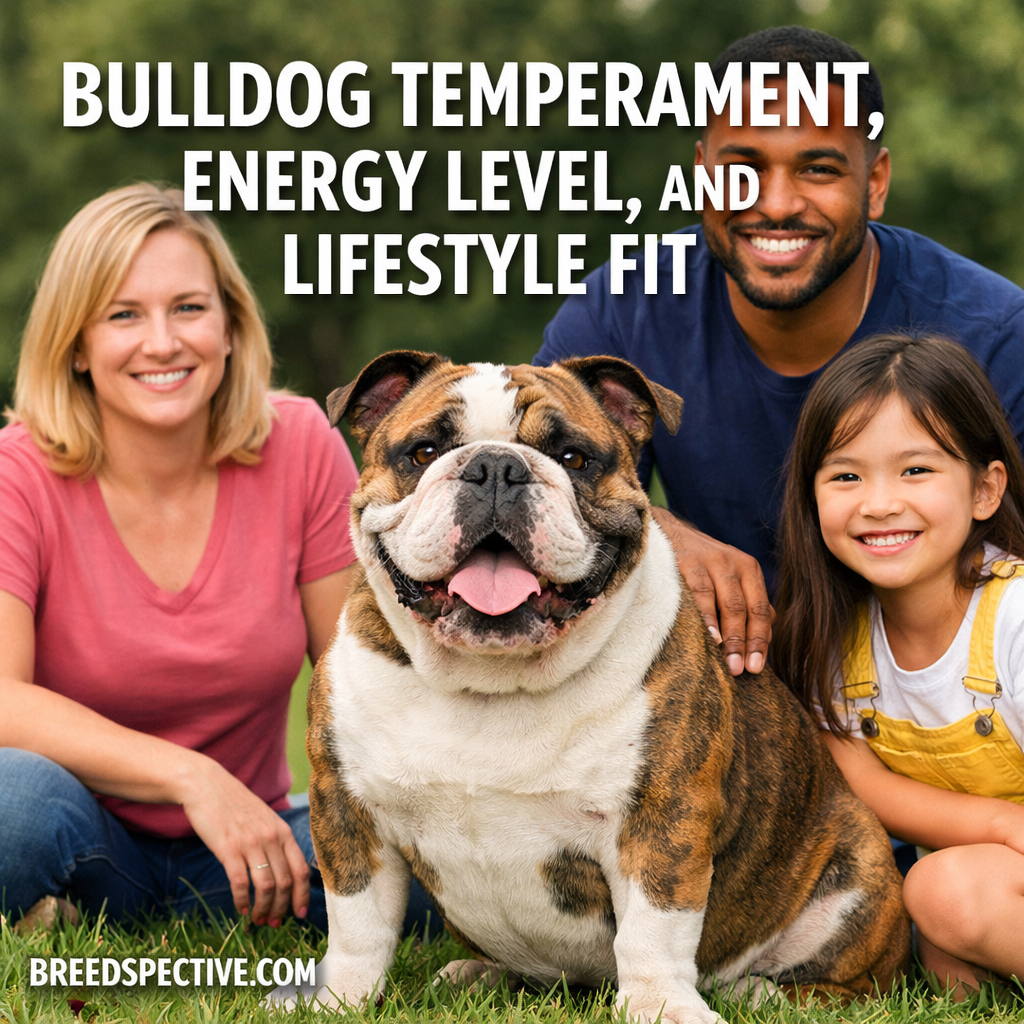
Bulldog Temperament, Energy Level, and Lifestyle Fit
Bulldogs are one of the most recognizable dog breeds in the world—stocky, wrinkled, and full of personality. But beyond their iconic appearance, understanding Bulldog temperament, energy level, and lifestyle fit is essential before deciding if this breed is right for you.
Bulldogs are affectionate, loyal, and calm—but they also have specific needs that make them better suited for certain households. This guide breaks down their personality, activity requirements, and real-life ownership expectations.
Bulldog Temperament: Calm, Loyal, and Affectionate
Bulldogs are known for their relaxed, easygoing nature. Despite their tough appearance, they are deeply people-focused and thrive on companionship.
Key temperament traits:
- Calm and laid-back
- Extremely loyal to their family
- Affectionate and people-oriented
- Patient with children
- Occasionally stubborn but rarely aggressive
Bulldogs form strong emotional bonds and prefer being near their owners rather than left alone for long periods.
👉 Compare with another companion breed:
French Bulldog Temperament, Energy Level, and Lifestyle Fit
Are Bulldogs Good Family Dogs?
Bulldogs are widely considered excellent family companions, especially in calm households.
With children:
- Patient and tolerant
- Less reactive than many breeds
- Enjoy gentle play and close contact
Their sturdy build also makes them less fragile than smaller dogs, though supervision is still important.
With other pets:
- Generally tolerant of other dogs
- Can live peacefully with cats if socialized early
- Less territorial than many breeds
Early socialization helps ensure smooth interactions.
Bulldog Energy Level Explained
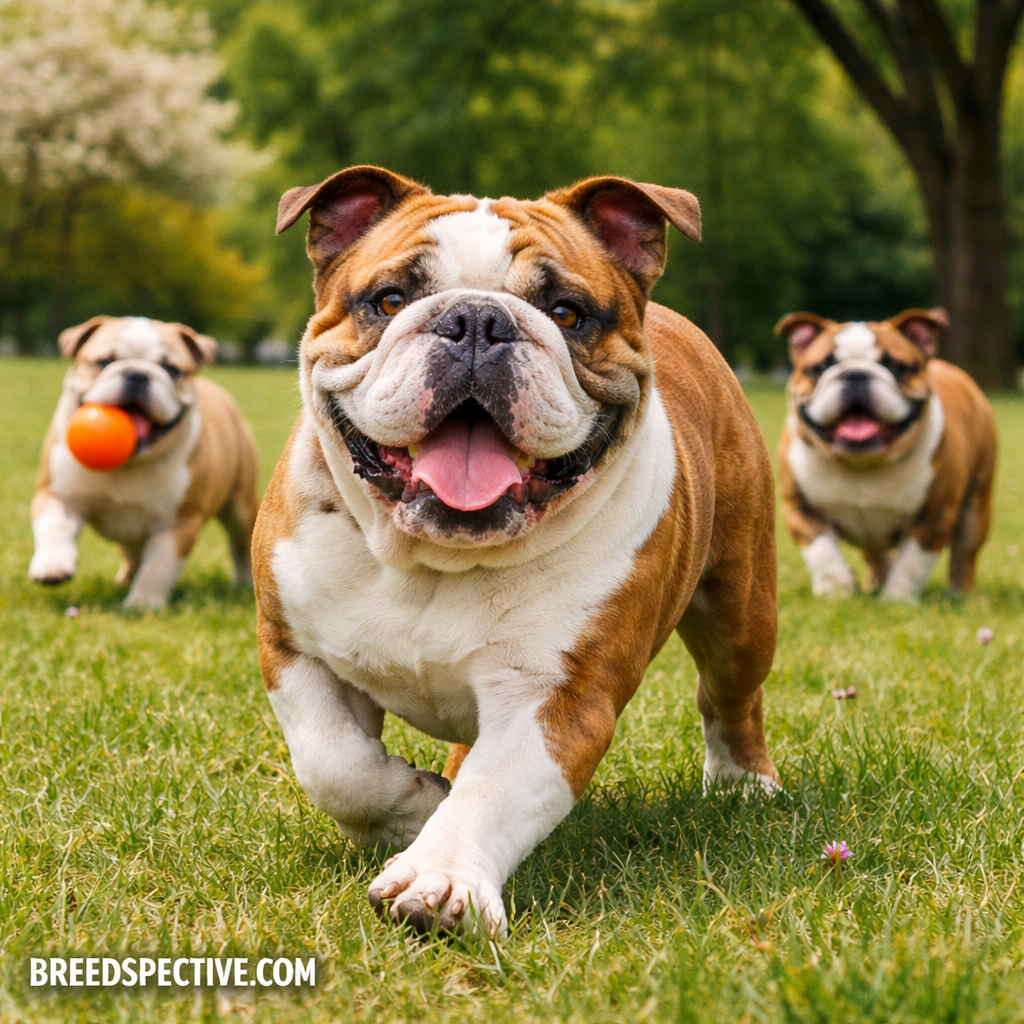
Bulldogs have a low to moderate energy level, making them ideal for relaxed lifestyles.
Typical activity preferences:
- Short daily walks
- Light indoor play
- Long periods of rest
Most Bulldogs are satisfied with 20–30 minutes of daily activity.
👉 Learn how energy affects lifestyle:
How to Match a Dog’s Energy Level to Your Daily Routine
Exercise Needs and Important Considerations
While Bulldogs don’t need intense exercise, they still require consistent movement to stay healthy.
Recommended routine:
- 1–2 short walks per day
- Gentle indoor play
- Light interaction and stimulation
Important precautions:
- Avoid exercise in hot weather
- Watch for signs of overheating
- Never force long or intense activity
Because of their flat faces, Bulldogs are prone to breathing issues and fatigue.
Lifestyle Fit: Who Is a Bulldog Best For?
Bulldogs thrive in environments that match their calm, companion-focused nature.
Ideal for:
- Apartment or condo dwellers
- Families with children
- Seniors or low-activity households
- Remote workers or home-based lifestyles
- First-time dog owners
Not ideal for:
- Highly active individuals
- Owners wanting a running or hiking partner
- Homes where the dog is left alone most of the day
👉 See real ownership expectations:
How Your Lifestyle Changes After Getting a Dog
Living Space and Environment Needs
Bulldogs are adaptable when it comes to space—but climate matters more than size.
Best living conditions:
- Climate-controlled indoor environments
- Soft resting areas
- Minimal stairs when possible
Heat and humidity can be dangerous, so indoor comfort is essential.
Training a Bulldog: What to Expect
Bulldogs are intelligent—but they can be stubborn.
Training strengths:
- Capable of learning commands
- Food-motivated
- Responsive to positive reinforcement
Challenges:
- Easily bored with repetition
- May resist commands without motivation
Best training approach:
- Use treats and praise
- Keep sessions short
- Be patient and consistent
👉 Avoid common mistakes:
Biggest Mistakes New Pet Owners Make
Emotional Needs and Companionship
Bulldogs are emotionally sensitive and highly attached to their owners.
Emotional traits:
- Dislike being left alone for long periods
- Thrive on routine and predictability
- Prefer constant companionship
They are best suited for owners who want a true companion dog, not a low-interaction pet.
Common Challenges of Bulldog Ownership
While Bulldogs are loving and easygoing, they do come with unique challenges.
Common issues:
- Heat sensitivity
- Breathing difficulties
- Skin fold care requirements
- Higher veterinary costs
- Lower stamina
👉 Learn more about ownership costs:
The Hidden Costs of Owning a Dog or Cat
Being prepared for these factors is key to responsible ownership.
Common Mistakes With Bulldogs
- Overexercising them in warm weather
- Leaving them alone too often
- Ignoring skin and health maintenance
- Expecting high energy or athletic ability
👉 Learn more:
What Most First-Time Pet Owners Get Wrong About Breed Selection
Real-Life Expectation: Daily Life With a Bulldog
A typical day with a Bulldog looks like:
- Short morning walk
- Long periods of rest indoors
- Light play or interaction
- Evening walk and bonding time
👉 See full breakdown:
Daily Life With a Large Breed Dog (Real Expectations)
Final Thoughts
The Bulldog temperament is calm, affectionate, and deeply loyal. Their low energy level makes them ideal for relaxed households, but they require attention, routine, and proper care to stay healthy.
If you want:
- A laid-back companion
- A dog suited for apartment living
- A family-friendly personality
…the Bulldog can be an excellent fit.
If you’re looking for a high-energy or low-maintenance dog, this breed may not meet your expectations.