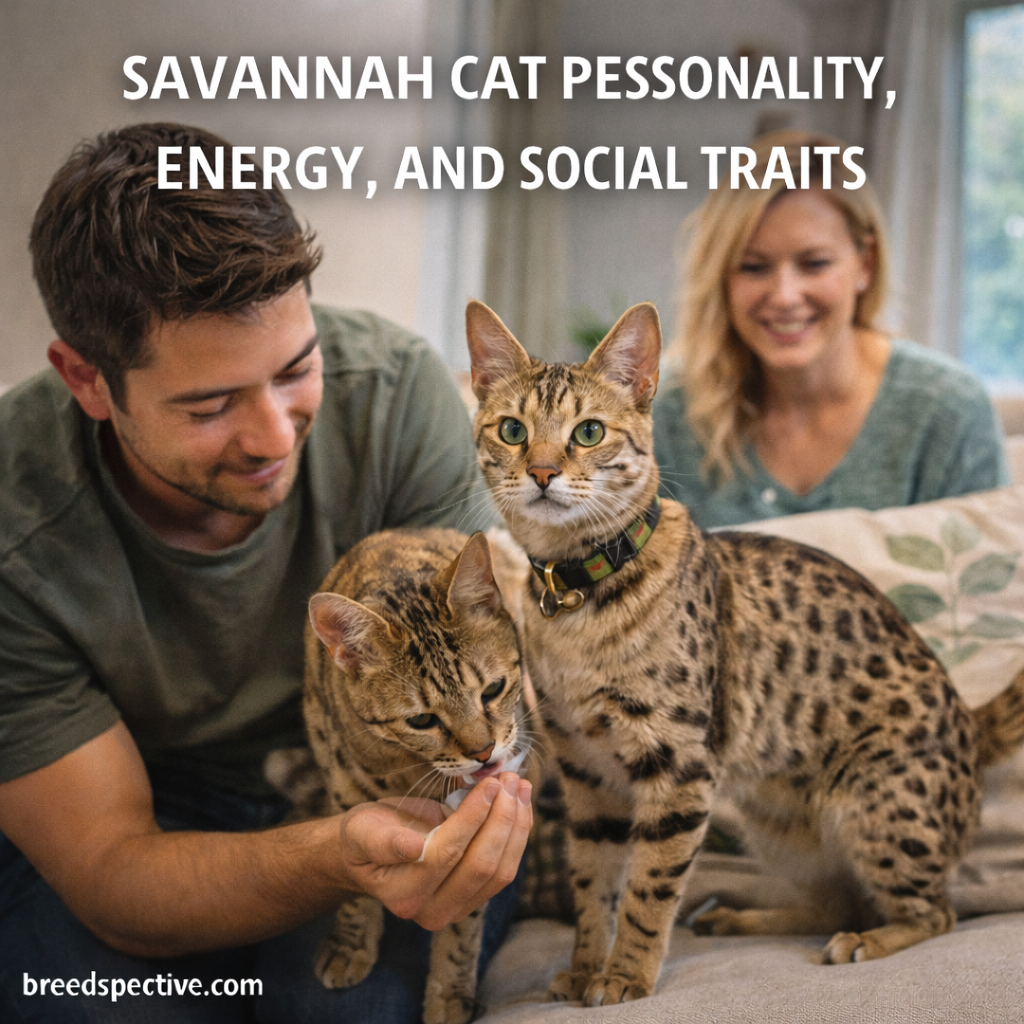
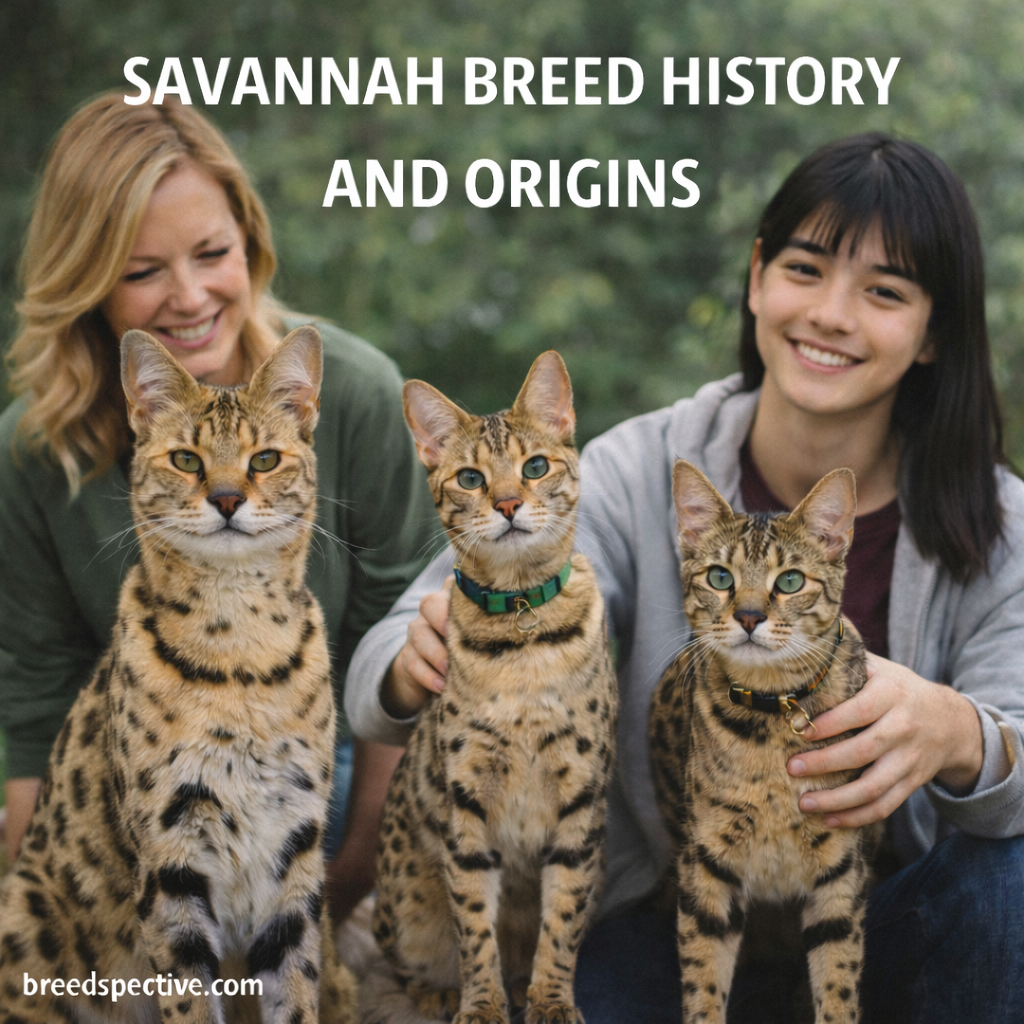
The Savannah cat is one of the most distinctive and controversial modern cat breeds, known for its exotic appearance, high intelligence, and energetic personality. Unlike many traditional breeds with centuries-old roots, the Savannah has a recent and carefully documented origin tied to intentional hybrid breeding.
Understanding the Savannah cat’s history and origins helps explain its unique behavior, physical traits, and the special considerations that come with owning this breed.
The Origins of the Savannah Cat
The Savannah breed originated in the United States during the 1980s. The first known Savannah cat was born in 1986 from a cross between a domestic cat and an African serval.
Key facts about the breed’s beginning include:
- The original cross was accidental rather than planned
- The resulting kitten displayed both wild and domestic traits
- The cat was named “Savannah,” which later became the breed name
This first-generation hybrid sparked interest among breeders who were intrigued by the possibility of creating a domestic cat with an exotic appearance and manageable temperament.
The African Serval Influence
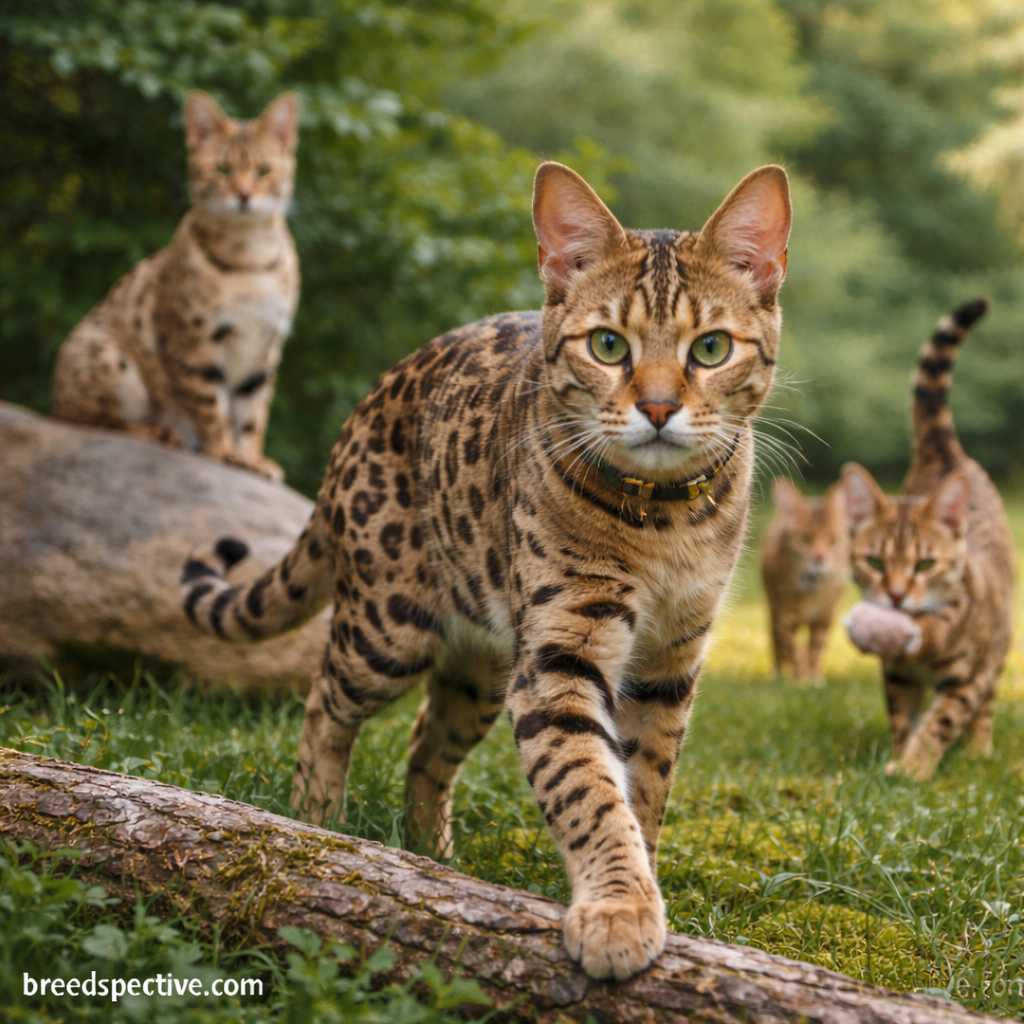
The African serval is a medium-sized wild cat native to sub-Saharan Africa. Its influence plays a major role in the Savannah’s physical and behavioral characteristics.
Traits inherited from the serval include:
- Tall, long-legged build
- Large, upright ears
- Spotted coat pattern
- Powerful jumping ability
- High alertness and intelligence
Because servals are wild animals, early breeding required careful management to ensure safety, legality, and temperament suitability.
Early Breeding Programs
After the first Savannah cat gained attention, a small number of breeders began intentionally pairing servals with domestic cats. The goal was to gradually reduce wild traits while preserving the exotic look.
Early challenges included:
- Fertility issues in early-generation males
- Wide variation in temperament
- Limited genetic consistency
Breeders selectively paired Savannahs with domestic breeds such as Siamese, Egyptian Mau, and Oriental Shorthair to reinforce sociability and reduce unpredictability.
Understanding Savannah Generation Labels
Savannah cats are categorized by generation, which indicates how closely related they are to their serval ancestor.
Common generation labels include:
- F1: First-generation, one serval parent
- F2–F3: Descendants with decreasing serval influence
- F4 and beyond: Considered more fully domestic
Earlier generations tend to display stronger wild traits, while later generations are generally more predictable and easier to manage as household companions.
Development of Breed Standards
As Savannah breeding became more established, efforts were made to standardize the breed.
Breeders focused on:
- Maintaining tall, athletic body proportions
- Preserving spotted coat patterns
- Encouraging confident but manageable temperaments
- Reducing aggressive or overly fearful behavior
Consistency was essential for gaining acceptance from major cat registries.
Recognition by Cat Associations
The Savannah breed faced skepticism due to its hybrid origins. Many cat associations were cautious about recognizing a breed with recent wild ancestry.
Milestones in recognition included:
- Acceptance by The International Cat Association (TICA)
- Advancement to championship status in the early 2010s
- Continued restrictions in some registries and regions
Even today, Savannah cats are subject to legal restrictions in certain areas due to their serval lineage.
Legal and Ethical Considerations
Savannah cats occupy a unique position between domestic and exotic animals.
Important considerations include:
- Ownership laws vary by country, state, and municipality
- Early-generation Savannahs are more commonly restricted
- Responsible breeding emphasizes welfare and safety
Prospective owners are encouraged to research local regulations before considering the breed.
How History Shaped the Savannah Personality
The Savannah’s history directly influences its behavior and care needs.
Historically driven traits include:
- High energy and athleticism
- Strong curiosity and exploration drive
- Advanced problem-solving abilities
- Deep engagement with the environment
These traits are not accidental—they reflect both wild ancestry and selective breeding decisions.
Savannah Cats Today
Modern Savannah cats vary widely depending on generation, lineage, and breeder practices.
Today’s Savannahs are commonly found in:
- Active households seeking interactive pets
- Homes designed with enrichment and vertical space
- Environments that support routine and stimulation
Later-generation Savannahs are generally more suitable for typical households than early-generation cats.
Common Misconceptions About Savannah Origins
The breed’s exotic roots often lead to misunderstandings.
Common myths include:
- Savannah cats are wild animals
- They cannot be affectionate or social
- They are dangerous by nature
In reality, responsible breeding has produced cats that are social, intelligent, and deeply bonded to their owners—though still more demanding than average breeds.
Why the Breed’s History Matters
Understanding the Savannah’s origins helps owners make informed decisions.
Historical insight explains:
- Why the breed needs extensive enrichment
- Why activity levels remain high into adulthood
- Why structure and boundaries are important
Ignoring the breed’s background often leads to mismatched expectations and challenges.
Final Thoughts on Savannah Breed History
The Savannah cat is the result of intentional, modern breeding that blends wild aesthetics with domestic companionship. Its history is recent, complex, and unlike that of most traditional cat breeds.
For owners prepared to meet its needs, the Savannah offers a unique combination of intelligence, beauty, and engagement. Its origins are not just a curiosity—they are the foundation of everything the breed is today.