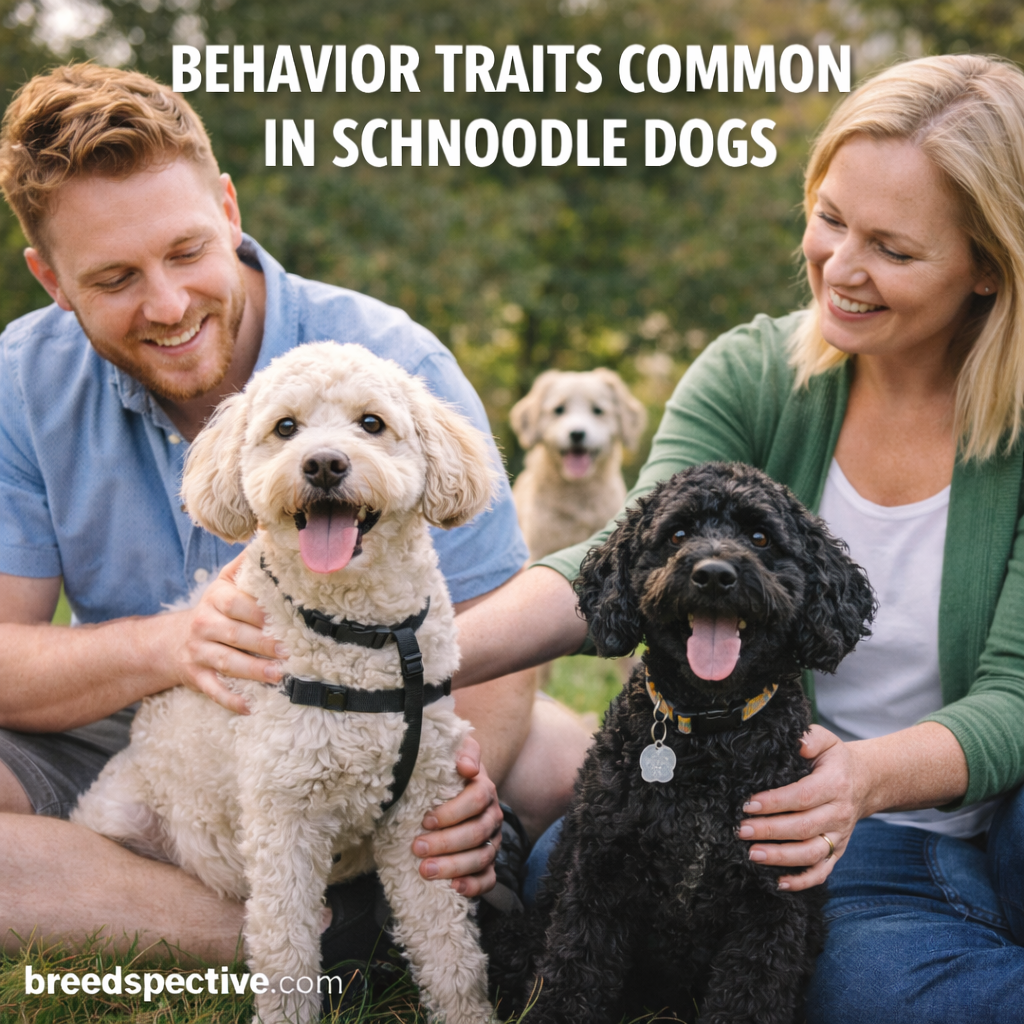
Schnoodles—an intentional mix of Schnauzer and Poodle—are known for their intelligence, charm, and adaptable personalities. While individual traits can vary based on genetics, size (toy, miniature, or standard), and upbringing, Schnoodles share a set of common behavioral tendencies that make them popular family companions.
This guide explores the behavior traits most often seen in Schnoodle dogs, helping prospective owners understand what to expect and how to bring out the best in this mixed breed.
Intelligent and Highly Trainable
One of the most consistent traits across Schnoodles is intelligence. With both parent breeds ranking high in trainability, Schnoodles tend to learn quickly and respond well to positive reinforcement.
Typical behaviors include:
- Fast learning of basic commands
- Strong problem-solving skills
- Enjoyment of training sessions and mental challenges
- Sensitivity to tone and body language
Because they are smart, Schnoodles can also become bored easily. Mental stimulation is just as important as physical exercise to prevent unwanted behaviors.
Affectionate and People-Oriented
Schnoodles are generally very attached to their people and thrive on companionship. They often form strong bonds with one or two family members but remain friendly toward the household as a whole.
Common affectionate behaviors:
- Following owners from room to room
- Seeking lap time or physical closeness
- Enjoying cuddles and attention
- Making eye contact and checking in often
This people-focused nature makes them excellent companions but can also contribute to separation-related behaviors if left alone too often.
Alert and Naturally Watchful
Thanks to their Schnauzer lineage, many Schnoodles are naturally alert and observant. They tend to notice changes in their environment quickly.
Behavioral traits linked to alertness:
- Barking at unfamiliar sounds or visitors
- Watching windows or doors
- Acting as informal “watchdogs”
While this can be a positive trait, early training helps ensure alert barking doesn’t turn into excessive vocalization.
Playful With Moderate-to-High Energy

Most Schnoodles have a playful, energetic side that shows up in bursts throughout the day. Their activity level can vary based on size and which parent breed they take after more strongly.
Energy-related behaviors often include:
- Enjoying games like fetch or tug
- Zoomies during playtime
- Interest in interactive toys
- Playfulness lasting well into adulthood
Daily walks, play sessions, and enrichment activities help keep their energy balanced and behavior calm indoors.
Social but Selective
Schnoodles are usually social dogs, but they can be selective about new people or animals at first. Early socialization plays a major role in shaping this trait.
Common social behaviors:
- Friendly with family and familiar people
- Curious but cautious around strangers
- Generally good with other dogs when socialized
- May be reserved in new environments
Positive exposure during puppyhood helps Schnoodles grow into confident, well-adjusted adults.
Sensitive and Emotionally Aware
Schnoodles are known for emotional sensitivity. They often pick up on their owner’s mood and respond accordingly.
This sensitivity can appear as:
- Comforting behavior when owners are upset
- Stress responses to tension or loud environments
- Strong reactions to harsh correction
Because of this trait, Schnoodles do best with gentle, consistent training methods rather than punishment-based approaches.
Stubborn Moments and Independence
Despite being intelligent, Schnoodles can show occasional stubbornness—especially if they inherit more Schnauzer traits.
You may notice:
- Selective listening
- Testing boundaries during adolescence
- Pausing before obeying commands
This isn’t defiance so much as independence. Keeping training engaging, short, and rewarding helps overcome these moments.
Separation Anxiety Tendencies
Due to their strong attachment to people, some Schnoodles are prone to separation anxiety if not taught independence early.
Potential signs include:
- Whining or barking when left alone
- Destructive behavior
- Pacing or restlessness
Gradual alone-time training, predictable routines, and enrichment toys can significantly reduce anxiety-related behaviors.
Adaptability to Different Lifestyles
One of the Schnoodle’s greatest strengths is adaptability. They can thrive in a wide range of living situations when their needs are met.
They typically do well in:
- Apartments or houses
- Families with children
- Homes with other pets
- Active or moderately relaxed households
As long as they receive attention, exercise, and mental stimulation, Schnoodles adjust well to their environment.
How to Encourage Positive Behavior in Schnoodles
Raising a well-behaved Schnoodle is largely about meeting their emotional and mental needs.
Best practices include:
- Early training and socialization
- Daily physical and mental exercise
- Consistent routines
- Positive reinforcement methods
- Plenty of human interaction
When these needs are met, Schnoodles tend to be polite, loving, and enjoyable companions.
Final Thoughts
Schnoodles combine the intelligence of the Poodle with the alertness and personality of the Schnauzer, resulting in a dog that is affectionate, clever, and adaptable. While they may show sensitivity, alert barking, or occasional stubbornness, these traits are easily managed with proper training and engagement.
For owners seeking a smart, people-oriented mixed breed with a playful spirit, the Schnoodle offers a rewarding and deeply connected companionship experience.